Home  »  Search Results for... "Government of India Act 1919"

IAS Services in India, Background and Current Challenges

Background of IAS Services in India Pre-Independence Era Origin in British Administration: Civil services in British India came with the implementation of Macaulay’s Report 1835. Later in 1858, the Imperial Civil Service (ICS) was established by the British in India. It was designed to consolidate British rule in India and administer the country through a …

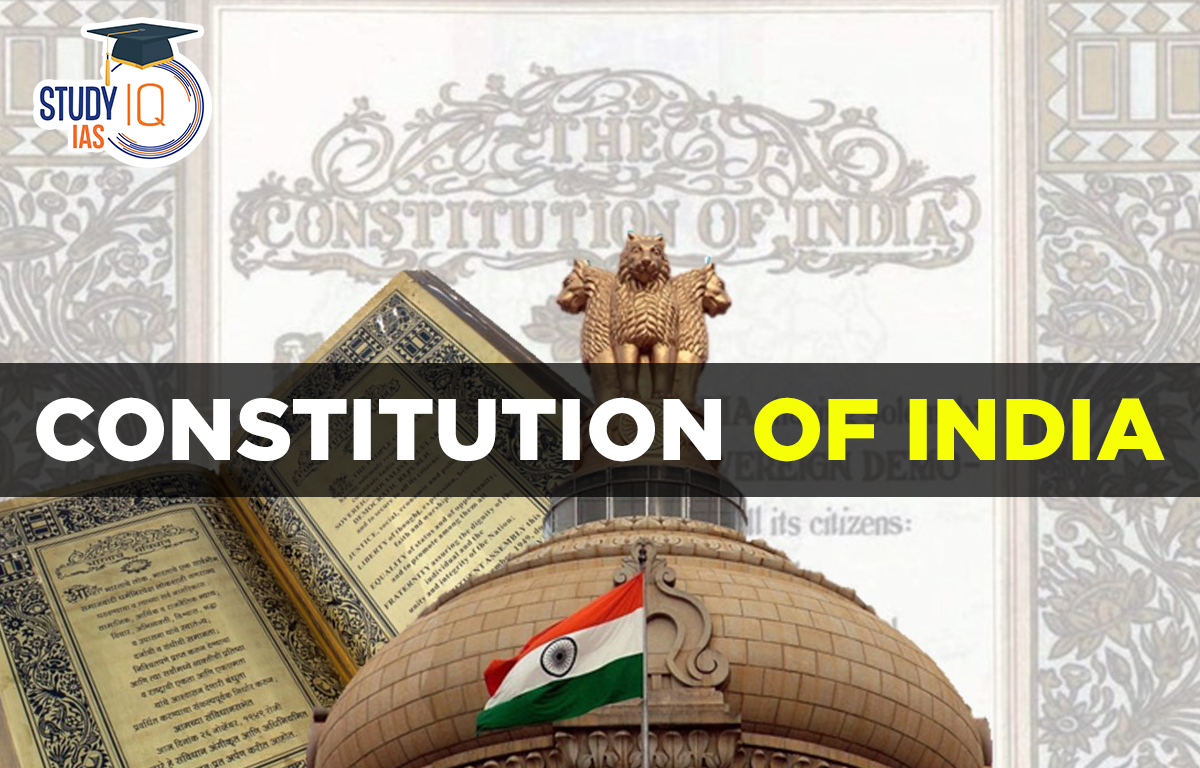
Constitution of India History, Evolution, Features, Timeline

The Constitution of India, adopted on 26th November 1949, is the supreme law of the land. It lays the framework for the governance of the country, delineating fundamental rights, directive principles, and duties of citizens. It is a reflection of India’s aspirations for justice, liberty, and equality while embracing its diversity. This article explores its …

What Makes India a Federal Country?

What Makes India a Federal Country? India’s federal system is unique in that it incorporates characteristics of both a true federation and a unitary state. There are two independent centres of power in a federation system, each with its own jurisdiction. India is considered a quasi-federal system due to the balance between federal and unitary …

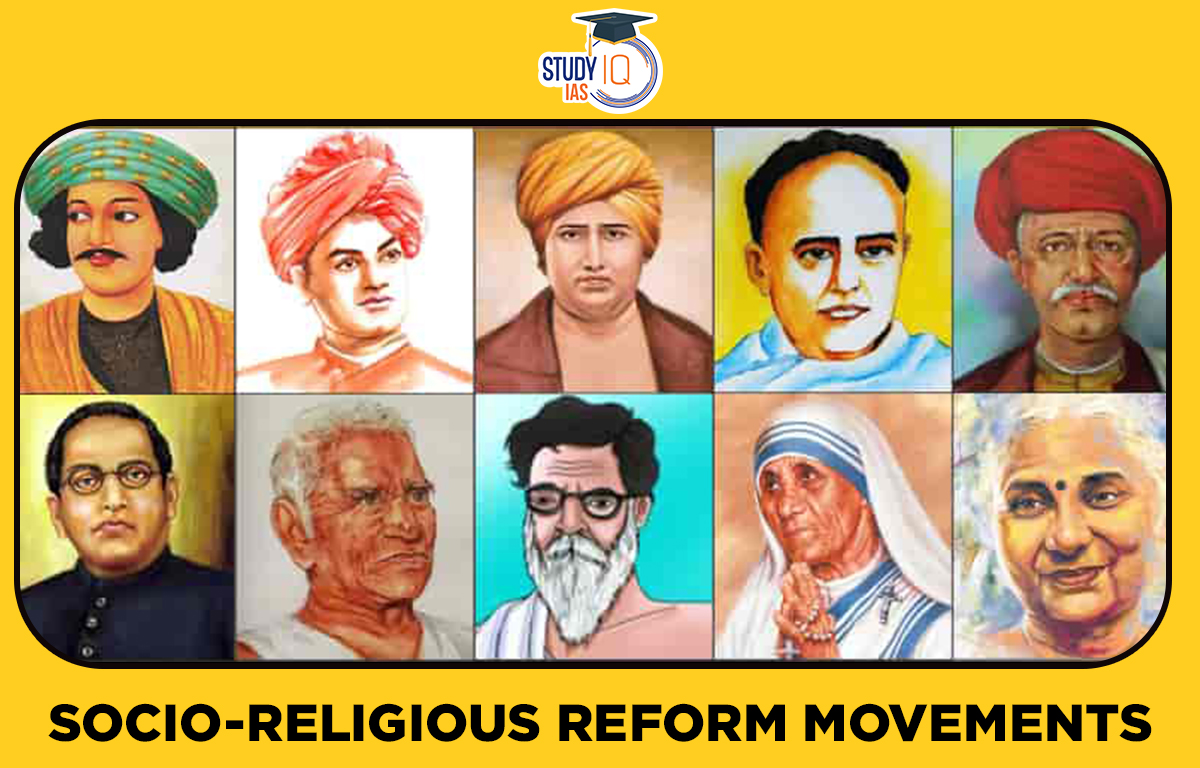
Socio-Religious Reform Movements History, Hindu, Muslims, Aspects and Impact

India’s socio-religious reform movements were key responses to British colonialism, modernity, and the internal decay of socio-religious institutions. These movements aimed at social and religious upliftment, rectifying regressive traditions while embracing certain modern ideas. Socio-Religious Reform Movement All Indian communities saw social and religious reform movements. They battled prejudice, superstition, and the influence of the …

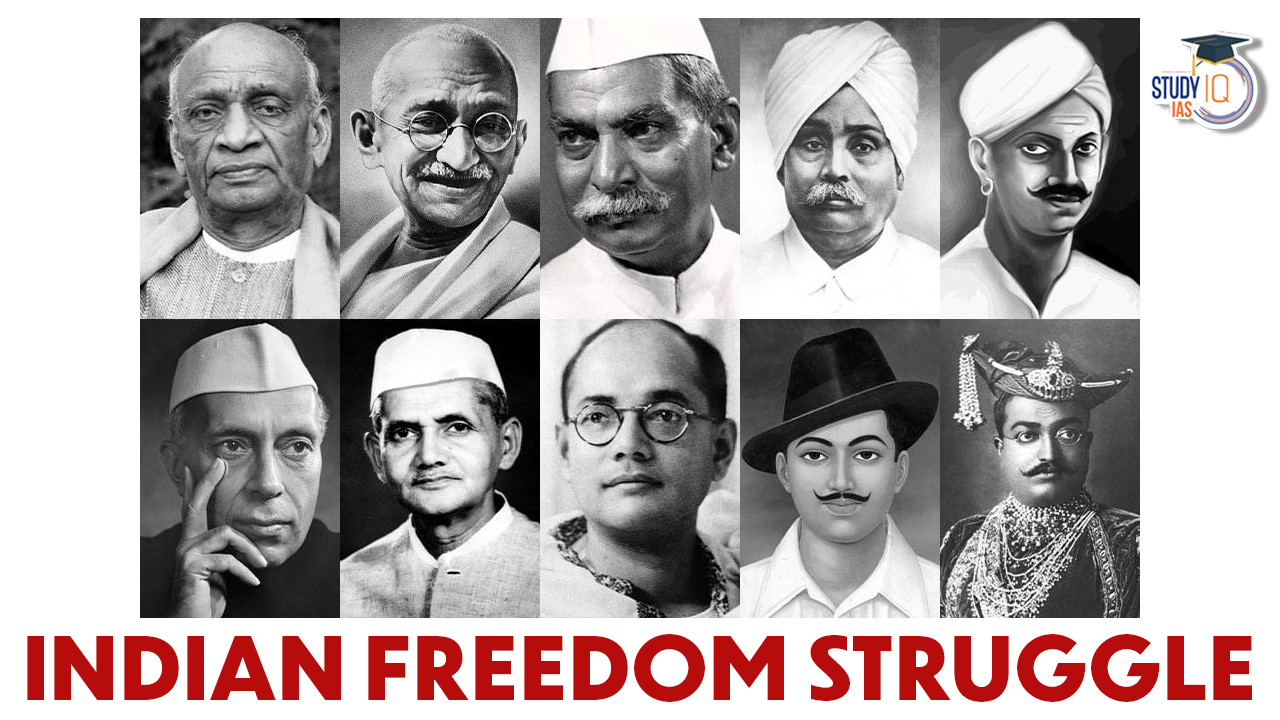
Indian Freedom Struggle, List, Phases and Impact

The Indian Freedom Struggle is a monumental chapter in the history of India, marking the nation’s relentless fight against British colonial rule. Spanning over a century, this struggle saw the rise of several leaders, ideologies, movements, and events that ultimately led to India’s independence on August 15, 1947. For UPSC aspirants, understanding the intricacies of …

List of Indian National Movement Phases 1857-1947 in Chronological Order

Indian National Movement helped to unite disparate people and social groups into one nation, shaping an important period of Indian history. Awareness began to emerge with the growth of English education in a few important urban areas, including Calcutta, Madras, and Bombay, in the late 19th century. Intellectuals at the time opposed the injustices and …

India Employment Report 2024: ILO

Context: The Indian government is expected to file a complaint against the International Labour Organization’s (ILO) employment report for India. Findings of the ILO’s India Employment Report Unemployment Among Youth High Proportion of Youth Unemployment: India’s youth make up about 83% of the unemployed workforce. Rising Unemployment Among Educated Youth: The share of young people …

Sadler Commission, History, Objective, Recommendations and Impact

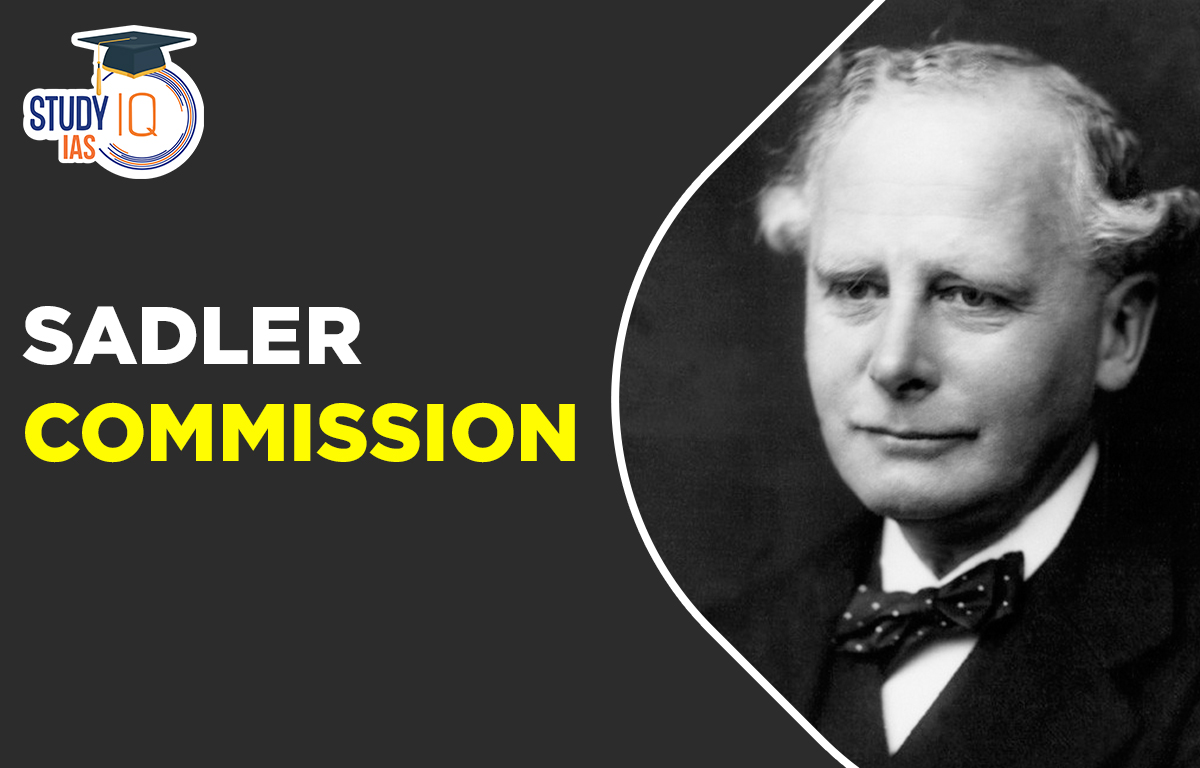
The Sadler Commission, also known as the Calcutta University Commission, was established by the British government in 1917 to investigate and make recommendations on the problems and future development of the University of Calcutta. The commission was named after its chairman, Sir Michael Sadler. Sadler Commission The Calcutta University Commission, or Sadler Commission, was established …

Evolution of Human Rights in India, Types, Characteristics, Importance

Evolution of Human Rights Throughout history, the idea of human rights has been an evolving force, gradually taking shape and gaining momentum to become a cornerstone of modern societies. From ancient civilizations to the Enlightenment era’s profound philosophies, the journey of human rights has been marked by milestones that have shaped the way we view …

Rowlatt Act 1919, Meaning, Provisions, Rowlatt Satyagraha

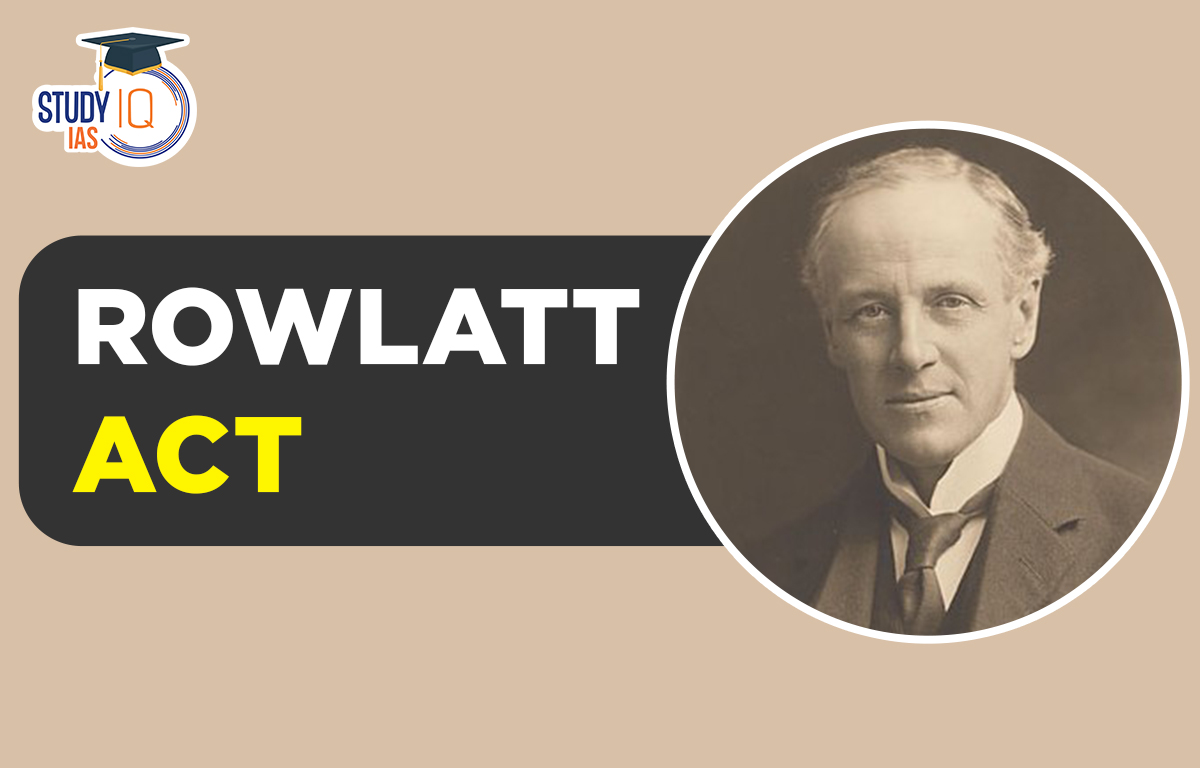
The Rowlatt Act, enacted by the British government in March 1919, tightened their control over the populace by granting them the authority to arrest individuals without trial. To protest this oppressive law, Gandhi and other leaders organized a Hartal (suspension of work), known as the Rowlatt Satyagraha, to demonstrate Indians’ opposition to this unjust rule. …