Table of Contents
Bihar, though primarily known for its river systems like the Ganga and Kosi, also has several important lakes and wetlands that play a crucial role in ecology, biodiversity, irrigation, and tourism. These lakes, mostly located in north and central Bihar, are vital for fisheries, bird habitats, and groundwater recharge. Read this article to get a list of Lakes of Bihar District-wise, locations, and Key Facts.
Lakes of Bihar
| Key Facts |
|
Major Lakes of Bihar
| S. No. | Lake Name | Location (District) | Type | Key Features |
|---|---|---|---|---|
| 1 | Kanwar Lake | Begusarai | Oxbow Lake | Largest freshwater lake in Asia; Ramsar Site (2020); migratory birds |
| 2 | Baraila Lake | Vaishali | Freshwater Lake | Rich biodiversity supports fisheries and irrigation |
| 3 | Kusheshwar Asthan Wetland | Darbhanga | Seasonal Wetland | Bird sanctuary; floodwater storage |
| 4 | Goga Lake | Katihar | Natural Lake | Important for local irrigation and fishing |
| 5 | Moti Jheel | East Champaran | Urban Lake | Historical importance: linked to the Champaran movement |
| 6 | Udaypur Lake | West Champaran | Natural Lake | Scenic beauty; tourism potential |
Check Here: Important Lakes of India
Major Lakes of Bihar in Detail
The largest wetland, including the lakes of India, is in the Indo-Gangetic flood plain, of which Bihar accounts for 273,395 hectares. The lakes of north Bihar are dependent upon six major tributaries of the Ganga flowing out from the central Himalaya onto the plains between the Nepalese border and the Ganga itself.
- From the Gandak river in the west to the Mahananda river in the east, the northern part of the Gangetic plains is studded with numerous small freshwater lakes and chaurs, the vast majority of which are oxbow lakes marking the historical courses of the Bayanadi, Burhi Gandak, Sapt Kosi and Mahananda rivers.
- Most of the lakes are 100-200 ha, but some exceed 1,000 ha in area. There are more than 14,000 ha under chaurs in Darbhanga district alone. The other major lake, Kawar in Begusari district, covers an area of 7,400 ha. It is considered one of South Asia’s largest freshwater lakes.
Kanwar Lake
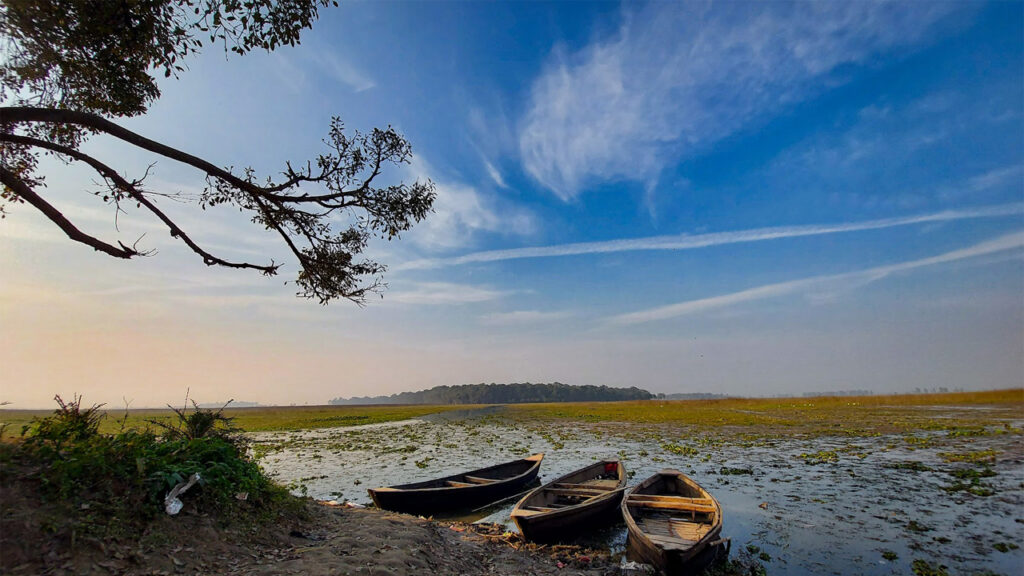
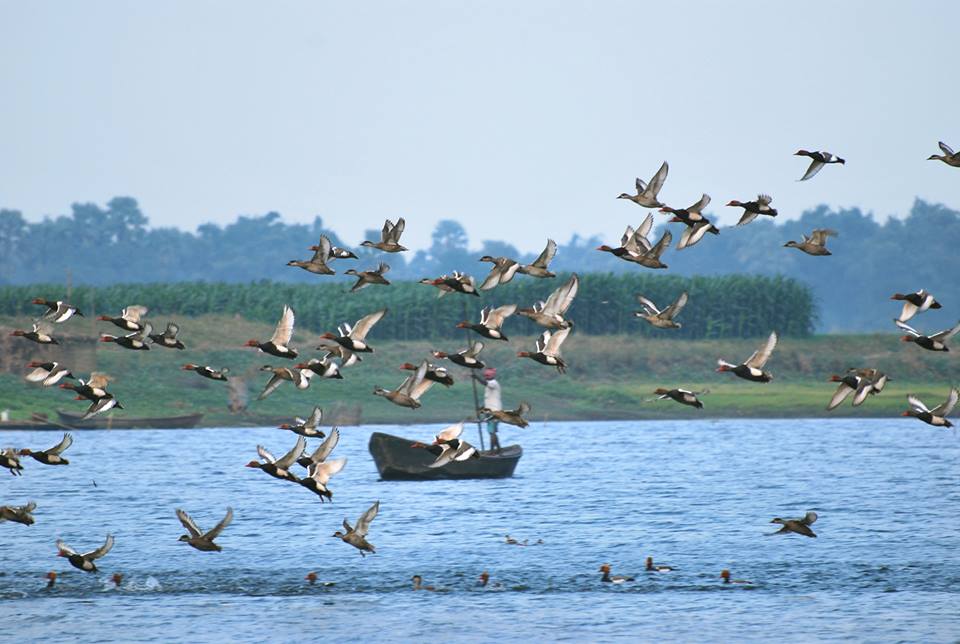
Kanwar Lake is located in Manjhol village in Begusarai district of Bihar The total area of this lake is 16 square kilometers Construction of Kanwar Lake was done by spilling of Gandak River More than 60 species of birds come from Central Asia to live in this lake during cold days Also, Siberian birds appear here in both November and December All in all, this lake is famous for its habitat of birds About 106 species of birds, both Indian and foreign, live here
Muchalinda Lake
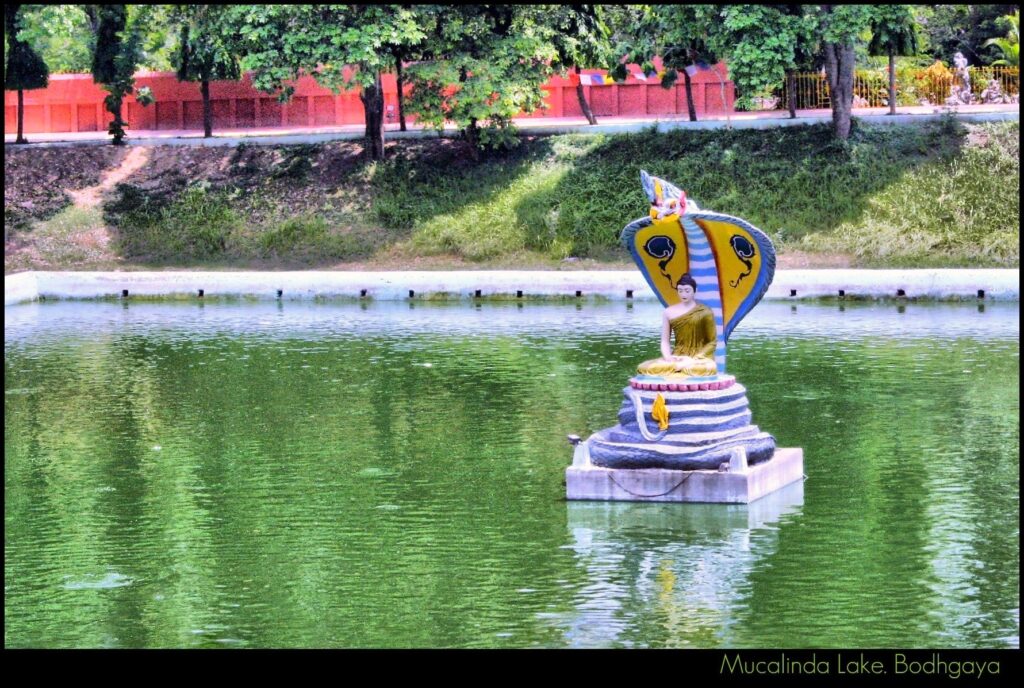
It is located in the Bihar town of Bodhgaya. At this lake, Buddha used to practice his meditation. The statue of Lord Buddha is situated in the middle of the lake and is shown in a position of meditation. In essence, it is a lovely pond surrounded by vegetation.
Ghora Katora Lake
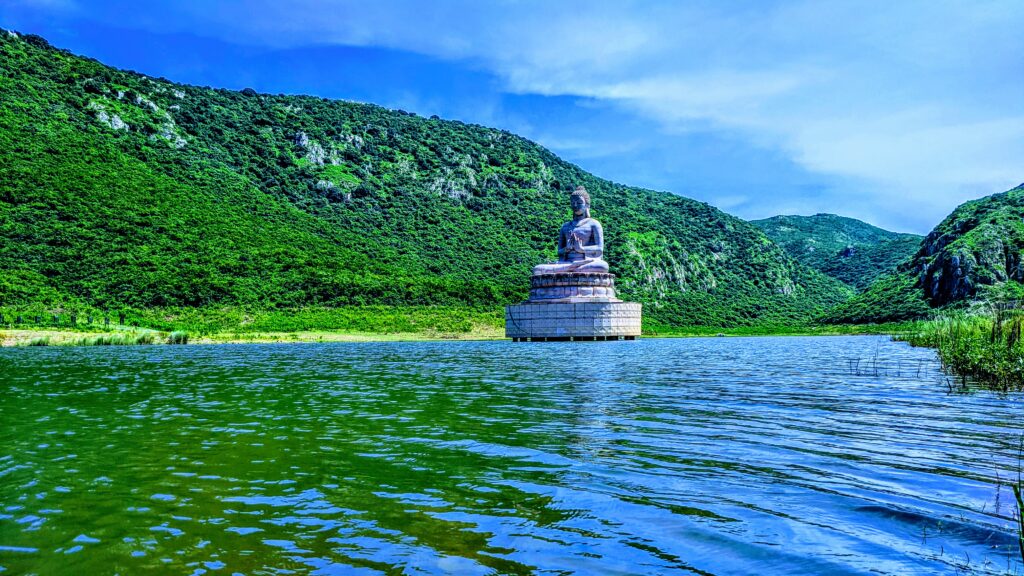
This lake is located near Rajgir, Bihar’s Nalanda district and is surrounded by Hills. It is situated next to the World Peace Pagoda and encircled by lush landscapes.
Kusheshwar Asthan Lake
It is been located in Darbhanga’s Kusheshwar. In 1972, Kusheshwar Lake was designated as a bird sanctuary. Its size fluctuates between 20 sq km and 100 sq km. Its area tends to grow excessively as a result of the rainy season’s intense precipitation. This lake receives water from lakes like Kamla, Kareh, etc. It is renowned for producing fish. During the winter, migrating birds such the Pelicia Damatia and Siberian Crane stop by Kusheshwar Lake.
Gogabill Lake
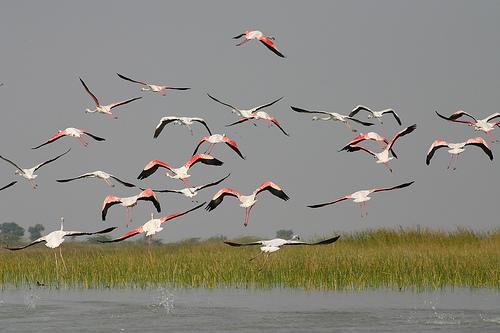
It is situated in the district of Kathihar. It extends upto 218 acres in total. One of the biggest wetlands in Bihar is this one. It joins the Ganga and Mahananda rivers when the water level is high due to heavy rain or flooding. It functions as a sanctuary for birds, pets, and other aquatic and land species. Around 300 migrating birds from the Siberian region and the Caspian Sea visit it throughout the winter and monsoon seasons.

Anupam Lake
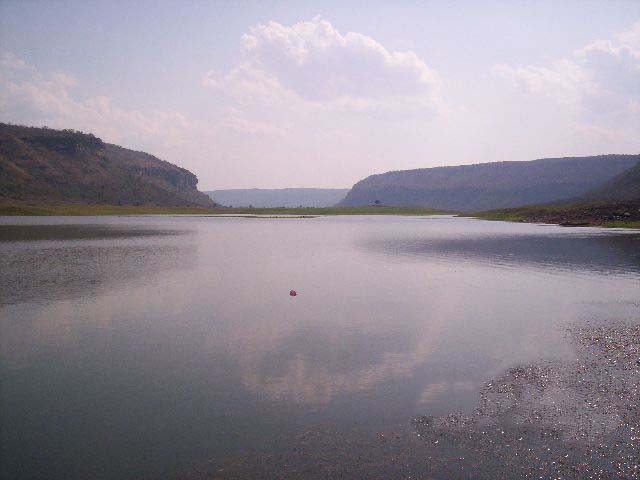
Anupam Lake is a natural lake that can be found in the Bihar region of Kaimur. It is a beautiful picture as the lake’s crystal-clear water reflects the surrounding vegetation. For those who enjoy the outdoors and photography, the lake is the ideal location because it provides many chances to capture its tranquil beauty.
Matsyagandha Lake
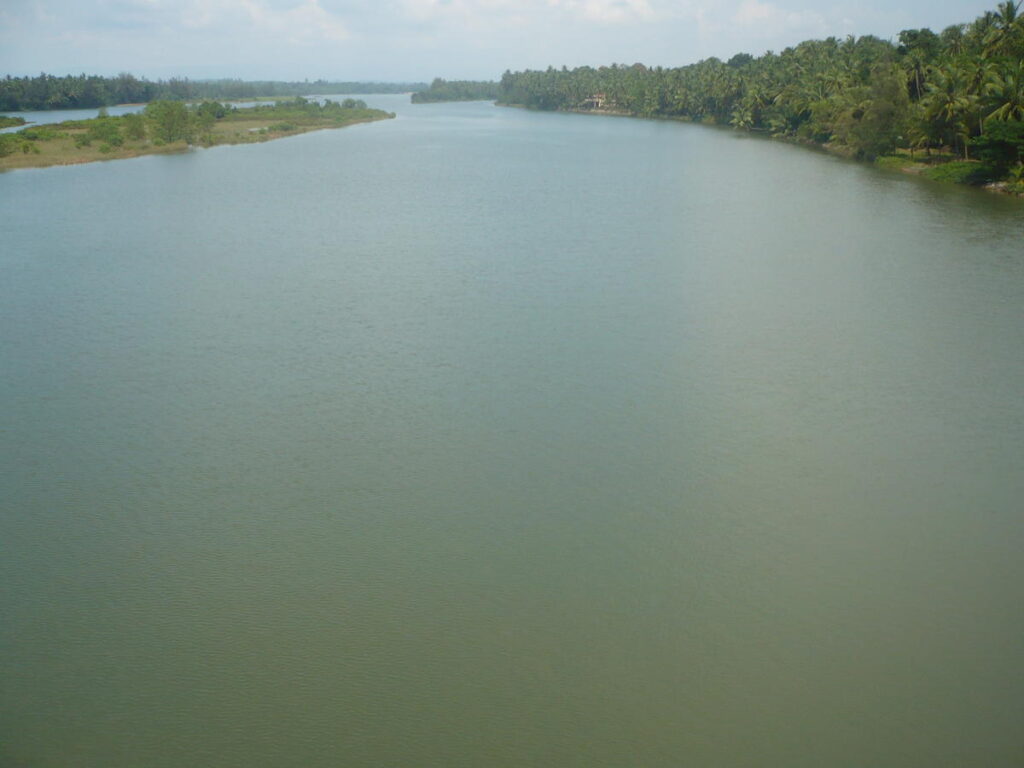
In Northern Bihar, there is a man-made lake called Matsyagandha Lake. It is located in the Saharsa district’s Sattar Kataiya block.
Kharagpur Lake
Located in Kusheshwar in the Darbhanga district of Bihar state, this lake is also known as Kusheshwar Sthan Lake. This lake is also famous for its habitat of birds. This lake is home to a large number of birds, so this lake was declared a bird sanctuary in 1972.
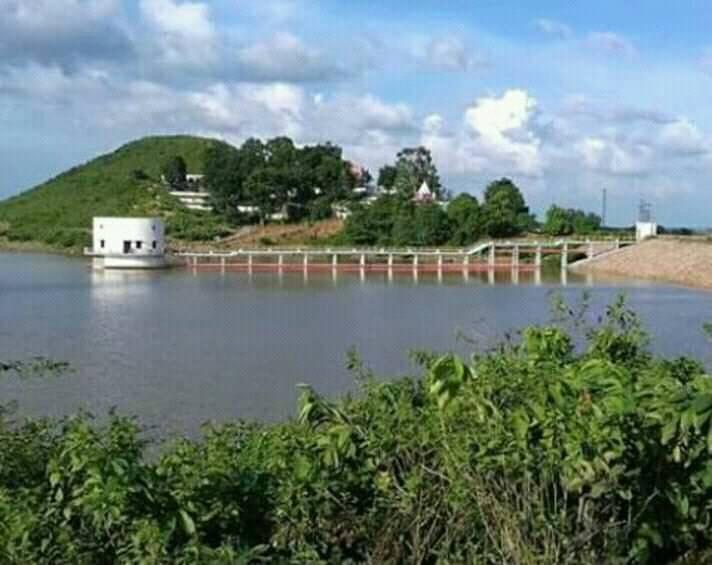
By the way, the area of this lake is 20 square kilometres, but when it rains in the rainy season, the area of the lake increases due to excessive water and reaches 100 square kilometres.
Ghogha Lake
It is located in Manihari, Katihar and its area is around 5 sq km. The birds of India are mainly seen in this lake. The trend of migratory birds in this lake is very low. Also, this lake is not very popular among the people of Bihar. Also, there are many small lakes around the Ghogha lake, which become one due to flooding, and the area of this lake increases considerably.
Simri-Bakhtiyarpur Lake
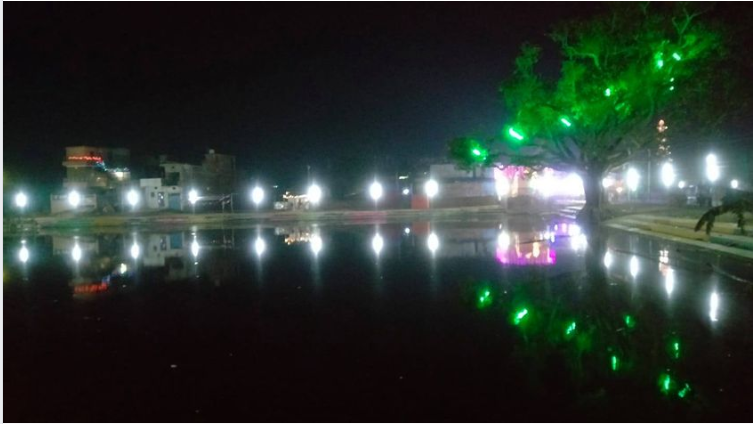
Actually, this lake in the Simri-Bakhtiyarpur region of the Saharsa district in the Indian state of Bihar is the result of the convergence of numerous smaller lakes. Additionally, this lake doesn’t expand as much as other lakes do. It contains lakes with names like Muniya, Sardia, Kumibi, Gobra, etc.
Ecological Importance of Lakes in Bihar
- Support wetland ecosystems and biodiversity
- Provide habitat for migratory birds
- Help in flood control and water storage
- Promote fisheries and local livelihoods
- Recharge groundwater levels
Challenges Faced by Lakes
- Encroachment and urbanization
- Pollution and eutrophication
- Decline in water levels
- Climate change impacts
- Lack of proper conservation measures
Conservation Efforts
- Recognition of wetlands like Kanwar Lake as a Ramsar Site
- Government initiatives for wetland protection
- Promotion of eco-tourism and awareness
Conclusion
The lakes of Bihar, though fewer compared to other states, hold immense ecological, economic, and cultural significance. Protecting these water bodies is essential for maintaining biodiversity and ensuring sustainable development in the region.
 Andhra Train Accident, Causes Train Acci...














 WhatsApp