Table of Contents
Context: Following incidents of animal distress and human injury at the Thrissur Pooram festival, experts are advocating for a shift from traditional high-decibel fireworks to “Cold Spark technology” to mitigate health and environmental risks.
Cold Spark Technology
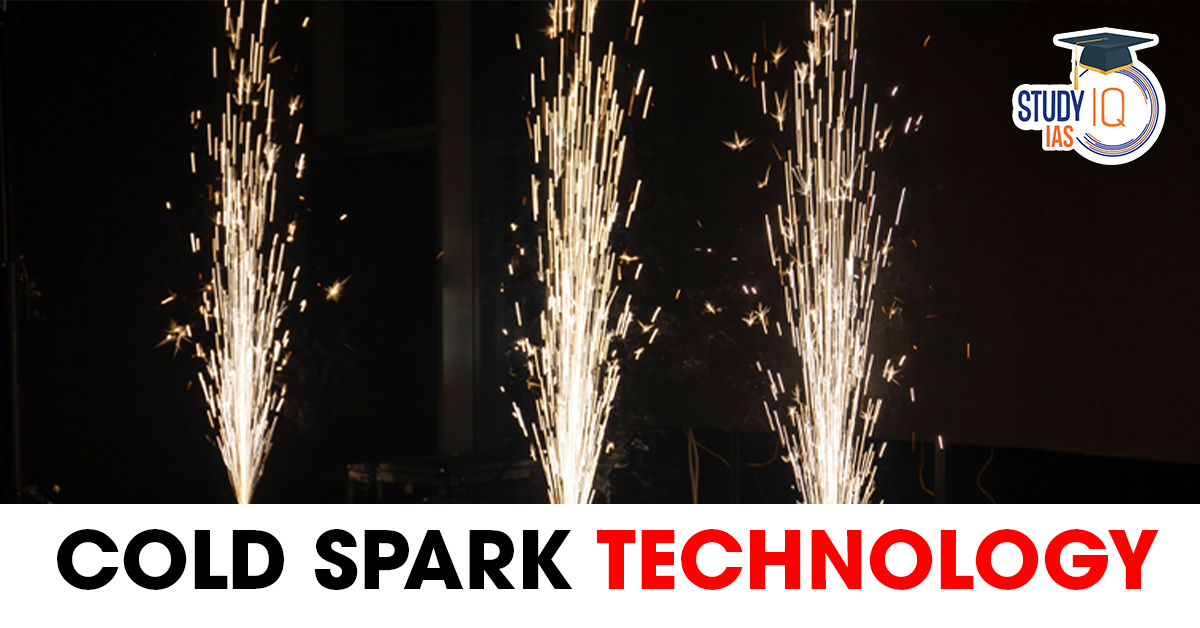
“Cold Sparkulars” offer a noiseless, safer alternative to traditional pyrotechnics by utilizing chemical engineering rather than explosive combustion.
- Mechanism: The technology uses a granulated metal alloy powder (typically titanium and zirconium). A device equipped with a heater and a fan increases the activation energy of the powder and ejects it into the air.
- Chemical Reaction: The heated powder reacts with atmospheric oxygen in a rapid exothermic reaction, creating a bright, sparkler-like visual effect without the “bang” of an explosion.
- Thermal Safety: Traditional sparklers burn at approximately 1,200°C, posing extreme fire risks. Cold spark units operate between 60–100°C, significantly reducing the risk of burn injuries and blazes.
- Visual Superiority: Modern arrays can be triggered sequentially to create cascading bursts and vertical “fountains” of light, replicating the grandeur of traditional displays without the associated smoke and sound.
Noise Pollution and Public Health
- Animal Distress: Decibel levels during festivals like Thrissur Pooram have peaked at 4 dB. Elephants and other animals get disoriented not just by volume but by the specific structure and frequency of the noise, leading to unpredictable behavior and injuries.
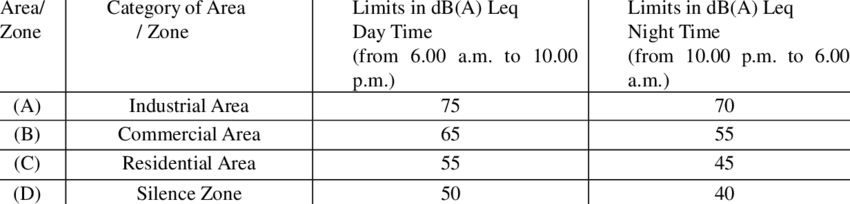
- The “Silence Zone” Violation: The National Ambient Noise Monitoring Network mandates 40–50 dB for silence zones (hospitals/schools). Traditional fireworks, capped legally at 125 dB, frequently violate these norms, posing risks to neonatal intensive care units (NICUs) and infant brain development.
- WHO Classification: The World Health Organization (WHO) identifies noise pollution as the third most hazardous environmental threat to human health, following air and water pollution.

 QDENGA Dengue Vaccine: India’s First A...
 Skyroot Vikram-1 Mission Aagaman: India'...
 Oor Pare Prehistoric Site: Location, Roc...









 WhatsApp