
Table of Contents
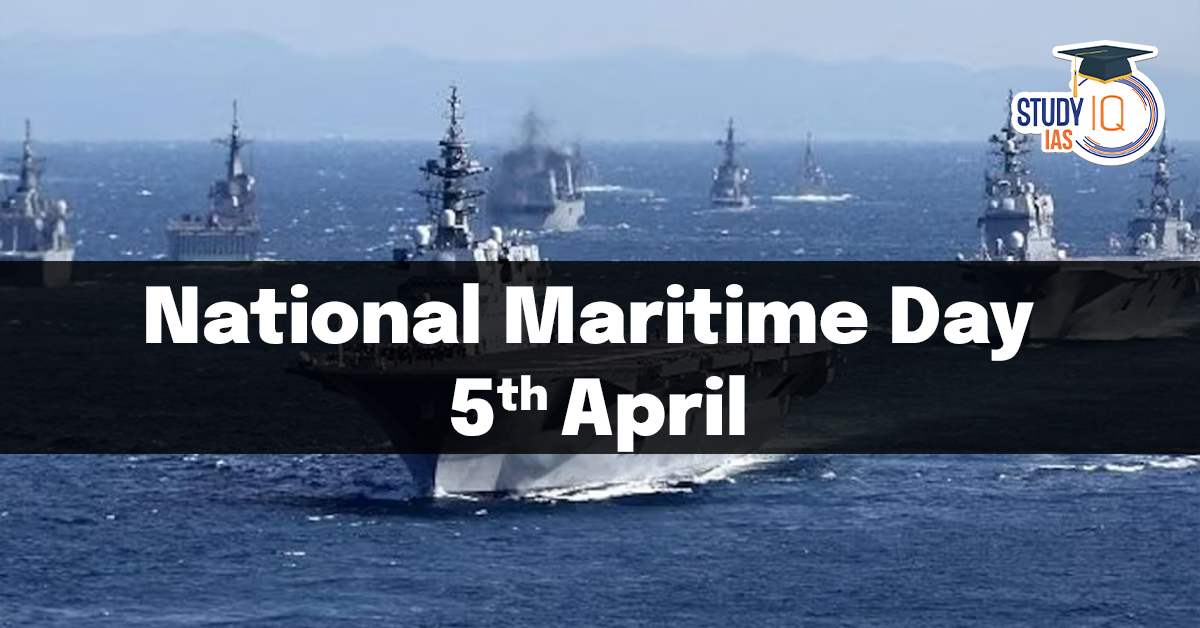
National Maritime Day 2026 is observed on April 5, 2026, to celebrate India’s rich maritime legacy and highlight the importance of the shipping sector in economic growth and global trade. The day recognizes the contributions of seafarers, port authorities, and maritime institutions in sustaining international logistics and connectivity.
India, with its strategic location and long coastline, has historically been a maritime powerhouse. Today, the maritime sector continues to play a crucial role in facilitating over 90% of India’s trade by volume, making this observance highly significant.
National Maritime Day 2026
National Maritime Day serves as a platform to discuss advancements in maritime technology, sustainable shipping practices, and policies to enhance India’s standing as a global maritime leader.
| Aspect | Details |
|---|---|
| Date of First Celebration | April 5, 1964 |
| Historical Event Commemorated | The maiden voyage of SS Loyalty on April 5, 1919 |
| Significance | Recognizes the maritime sector’s contribution to India’s economy and trade |
| 2026 Theme | Directorate General of Shipping |
| Key Initiatives | Maritime India Vision 2030, Sagarmala Programme, Green Shipping Policies |
National Maritime Day 2026 Theme
As of now, the official theme for National Maritime Day 2026 is typically announced by the Directorate General of Shipping.
In recent years, themes have focused on:
- Maritime safety and security
- Sustainable shipping practices
- Green ports and decarbonisation
- Technological innovation in logistics
Expected Focus 2026:
With India pushing for green shipping and port-led development, the theme is likely to revolve around sustainability and global maritime leadership.
History of National Maritime Day
Why is National Maritime Day celebrated?
The day commemorates the first Indian-owned merchant ship, SS Loyalty, which set sail from Mumbai to London on April 5, 1919. This marked India’s entry into international shipping, breaking British dominance in maritime trade.
The celebration started in 1964 to honor India’s progress in the maritime sector and recognize the role of seafarers, shipbuilders, and maritime professionals in the nation’s economy.
Significance of National Maritime Day
The maritime sector is a lifeline for India’s trade and economic progress. Here’s why National Maritime Day is important:
Recognizing India’s Maritime Legacy
With a 7,500 km coastline and 12 major ports, India has a strong maritime tradition, facilitating 95% of its trade volume through sea routes.
Promoting Sustainability in Shipping
India is adopting green shipping policies, reducing marine pollution, and investing in low-emission ships to make the industry eco-friendly.
Strengthening Global Maritime Presence
Government initiatives like Maritime India Vision 2030 and the Sagarmala Programme aim to improve port infrastructure, shipbuilding, and coastal trade.
Honoring Seafarers and the Shipping Industry
The day acknowledges the hard work of Indian seafarers, who contribute significantly to global trade and ensure smooth maritime operations.
India’s Maritime Strength
India has strong maritime infrastructure and geographical advantages:
- Coastline: ~7,500 km
- Major Ports: 12
- Non-major Ports: 200+
- Strategic location between East and West trade routes
Key Initiatives
- Sagarmala Programme – Port-led development
- Port modernization and digital logistics
- Green and sustainable shipping initiatives
Role of Maritime Institutions
Organizations like the Directorate General of Shipping play a crucial role by:
- Regulating shipping operations
- Ensuring maritime safety standards
- Promoting maritime education and careers
- Conducting awareness programs on this day
Government Initiatives for Maritime Development
India has launched several initiatives to strengthen its maritime sector and enhance global competitiveness:
- Sagarmala Programme (2015)
- Port modernization, connectivity, CEZs
- Aim: Reduce logistics cost, boost exports
- Jal Marg Vikas Project
- Develops NW-1 (Ganga)
- Promotes low-cost inland water transport
- Maritime India Vision 2030
- Long-term roadmap for ports, shipbuilding, logistics
- Focus: Capacity + global competitiveness
- Port Modernization & Digitization
- Smart ports, mechanization, DPD/DPE
- Result: Faster cargo clearance
- Green Port Initiatives
- Renewable energy, shore power
- Aligns with global sustainability goals
- Coastal Shipping Promotion
- Ro-Ro services, incentives
- Decongests road & rail
- Shipbuilding Promotion Policy
- Financial support to domestic shipyards
- Skill Development (Seafarers)
- By Directorate General of Shipping
Future Outlook of India’s Maritime Sector
India aims to become a global maritime hub through:
- Expansion of port capacity
- Adoption of green shipping technologies
- Integration with global supply chains
- Strengthening maritime diplomacy
With initiatives like Sagarmala and increasing investments, India is set to enhance its role in global trade and logistics networks.
Conclusion
National Maritime Day 2026 is not just a celebration of India’s maritime past but a reflection of its future ambitions. From the historic voyage of SS Loyalty to becoming a key player in global trade, India’s maritime journey showcases resilience, growth, and strategic importance.
As the country moves towards sustainable and technology-driven shipping, this day reminds us of the ocean’s role in shaping India’s economic destiny.

 Higher Education in India: Reforms, Chal...
 Kerala (Alteration of Name) Bill 2026: K...
 Independence Day 2026: 80th Independence...













 WhatsApp





