Table of Contents
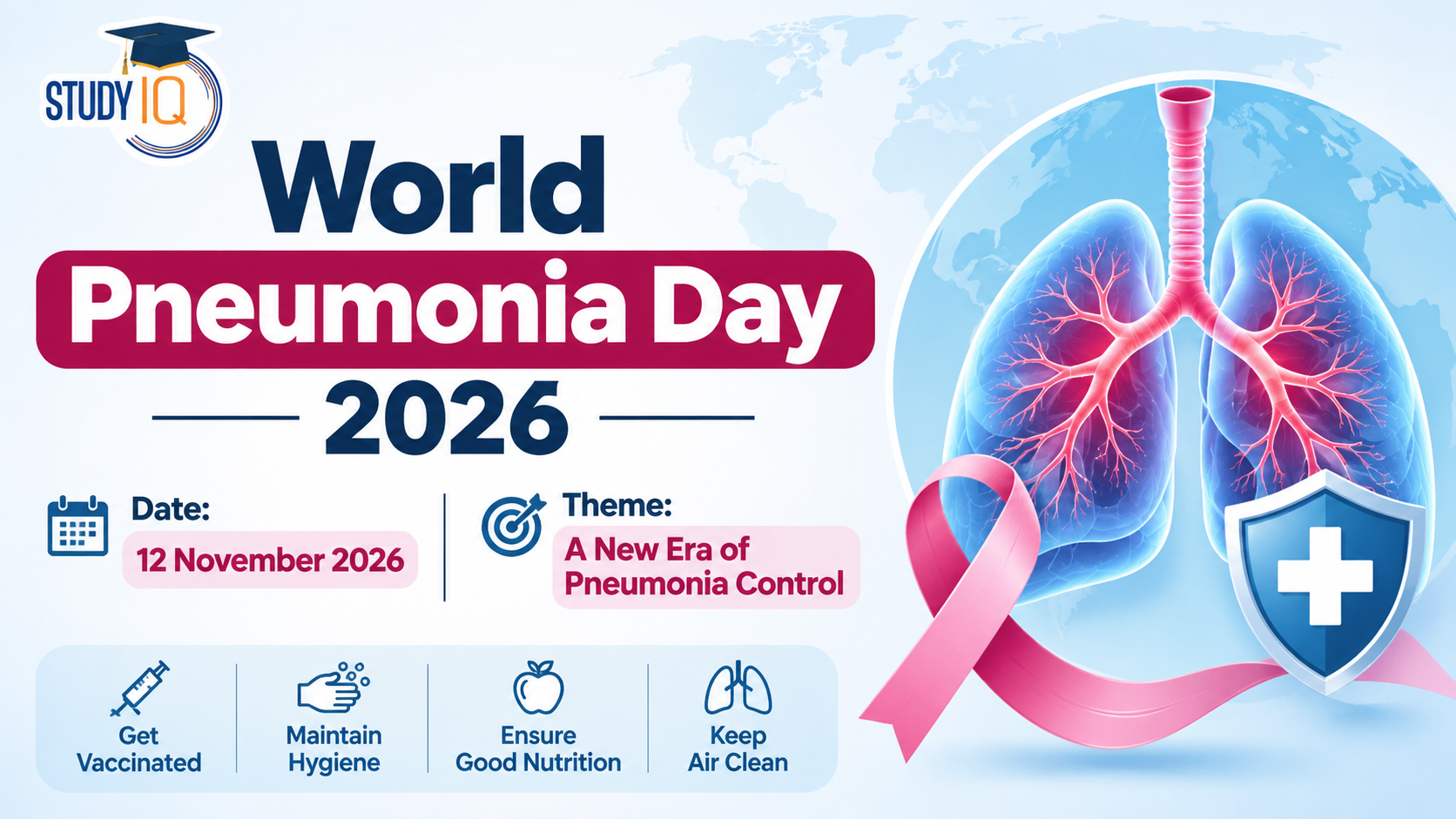
World Pneumonia Day 2026 is observed on 12 November to raise awareness about pneumonia, its prevention, early diagnosis, and treatment. The 2026 theme is “A New Era of Pneumonia Control”, highlighting the need to strengthen vaccination, improve access to healthcare, and reduce environmental risk factors such as air pollution.
Pneumonia remains a major global public health challenge, particularly among children under five and older adults. Despite being preventable and treatable, it continues to cause millions of deaths worldwide. The day encourages governments, healthcare institutions, and communities to work together to reduce the burden of this respiratory infection.
World Pneumonia Day 2026: Overview
| Particulars | Details |
|---|---|
| Observed on | 12 November |
| Day in 2026 | Thursday |
| Established | 2009 |
| Initiative | Stop Pneumonia Initiative |
| 2026 Theme | A New Era of Pneumonia Control |
| Main Objective | Awareness, prevention and treatment of pneumonia |
| Priority Groups | Children under five and older adults |
| Major Risk Factors | Malnutrition, air pollution and tobacco smoke |
World Pneumonia Day 2026 Theme
The theme of World Pneumonia Day 2026 is “A New Era of Pneumonia Control.”
The theme highlights the progress made in pneumonia prevention, diagnosis and treatment while emphasising the need to ensure that these advances reach vulnerable populations.
Its major priorities include:
-
Strengthening vaccination: Improving access to pneumococcal, Hib, influenza and measles vaccines.
-
Early diagnosis: Ensuring timely identification and treatment of pneumonia cases.
-
Reducing air pollution: Addressing household and ambient air pollution that increases respiratory health risks.
-
Improving healthcare access: Strengthening healthcare infrastructure, particularly in low- and middle-income countries.
-
Combating malnutrition: Improving nutritional security among children and vulnerable populations.
History of World Pneumonia Day
World Pneumonia Day was first observed on 12 November 2009 under the Stop Pneumonia Initiative.
The initiative brought together international health organisations, medical professionals, researchers and civil society groups to highlight pneumonia as a major but often neglected cause of preventable deaths.
The day was established to draw global attention to the impact of pneumonia, particularly on children under five, and encourage coordinated action to improve prevention, diagnosis and treatment.
Since its establishment, World Pneumonia Day has been observed annually on 12 November to strengthen public awareness and promote global efforts towards reducing pneumonia-related deaths.
What is Pneumonia?
Pneumonia is an infectious disease that causes inflammation of the air sacs (alveoli) in one or both lungs. These air sacs may become filled with fluid or pus, making breathing difficult and reducing the supply of oxygen to the bloodstream.
Pneumonia can be caused by bacteria, viruses and fungi. It can affect people of all age groups, but children under five, older adults and individuals with weakened immune systems are particularly vulnerable.
Major Causes of Pneumonia
-
Bacterial infection: Streptococcus pneumoniae is a major bacterial cause of pneumonia.
-
Viral infection: Respiratory syncytial virus (RSV), influenza viruses and other respiratory viruses can cause pneumonia.
-
Fungal infection: Certain fungi can cause pneumonia, particularly among people with weakened immune systems.
Common Symptoms of Pneumonia
The symptoms of pneumonia can range from mild to severe. Common symptoms include:
-
Persistent cough, sometimes accompanied by mucus.
-
Fever and chills.
-
Rapid or difficult breathing.
-
Chest pain while breathing or coughing.
-
Fatigue and general weakness.
-
Loss of appetite.
-
Confusion, particularly among older adults.
-
Bluish lips or fingertips in cases of severe oxygen deficiency.
In children, fast breathing and chest indrawing are important warning signs. Severe breathing difficulty, bluish lips, unusual drowsiness or inability to drink require urgent medical attention.
Treatment of Pneumonia
Pneumonia treatment depends on its underlying cause, severity and the patient’s overall health.
| Treatment | Purpose |
|---|---|
| Antibiotics | Treat bacterial pneumonia |
| Antiviral medicines | Treat certain viral infections when indicated |
| Antifungal medicines | Treat fungal pneumonia |
| Oxygen therapy | Maintain adequate oxygen levels |
| Supportive care | Manage hydration, nutrition and recovery |
| Hospitalisation | Provide monitoring and advanced treatment in severe cases |
Antibiotics are not effective against viral infections. Treatment should always be prescribed by a qualified healthcare professional.
How to Prevent Pneumonia?
Pneumonia prevention requires a combination of immunisation, proper nutrition, hygiene, clean air and timely medical care.
1. Vaccination: Vaccines help protect against several infections associated with pneumonia and severe respiratory illness. Important vaccines include:
-
Pneumococcal Conjugate Vaccine (PCV).
-
Haemophilus influenzae type b (Hib) vaccine.
-
Influenza vaccine.
-
Measles vaccine.
2. Maintain personal hygiene: Regular handwashing, covering the mouth and nose while coughing or sneezing, and avoiding close contact with infected individuals can reduce the spread of respiratory infections.
3. Ensure proper nutrition: Adequate nutrition, exclusive breastfeeding during the first six months of life and continued age-appropriate feeding support immunity and child health.
4. Reduce air pollution: Improving indoor ventilation, using clean cooking fuels and avoiding exposure to tobacco smoke can reduce respiratory health risks.
5. Seek early medical care: Early identification of symptoms and appropriate treatment can prevent complications and reduce the risk of severe illness.
India’s SAANS Campaign Against Childhood Pneumonia
The Government of India launched the SAANS (Social Awareness and Action to Neutralize Pneumonia Successfully) Campaign in November 2019 to reduce childhood pneumonia-related morbidity and mortality, particularly among children under five.
The campaign is implemented under the National Health Mission (NHM), Ministry of Health and Family Welfare.
Its major objectives include:
-
Creating awareness about childhood pneumonia among parents and caregivers.
-
Promoting early identification and timely treatment.
-
Increasing coverage of the Pneumococcal Conjugate Vaccine (PCV).
-
Improving the skills of healthcare workers in pneumonia management.
-
Promoting breastfeeding, proper nutrition, handwashing and sanitation.
-
Raising awareness about indoor and outdoor air pollution.
The campaign follows a three-pronged approach involving revised treatment protocols, capacity-building of healthcare providers and Information, Education and Communication (IEC) activities.
It also involves frontline workers such as ASHA workers and Anganwadi workers in spreading awareness at the community level.
Pneumonia and Sustainable Development Goals (SDGs)
Pneumonia prevention is closely connected with the United Nations Sustainable Development Goals, particularly:
-
SDG 3 – Good Health and Well-being: Reducing preventable deaths and ensuring access to essential healthcare.
-
SDG 2 – Zero Hunger: Addressing malnutrition, which increases vulnerability to pneumonia.
-
SDG 6 – Clean Water and Sanitation: Improving hygiene and reducing infectious disease risks.
-
SDG 7 – Affordable and Clean Energy: Promoting cleaner household energy and reducing indoor air pollution.
-
SDG 13 – Climate Action: Addressing environmental factors that affect respiratory health.
Significance of World Pneumonia Day 2026
World Pneumonia Day highlights the need for stronger public health systems and coordinated international action against preventable respiratory infections.
Its significance can be understood through the following points:
-
Reducing child mortality: Promotes interventions to protect children under five from preventable pneumonia deaths.
-
Promoting vaccination: Encourages wider access to vaccines against pneumonia-causing infections.
-
Addressing air pollution: Highlights the connection between environmental pollution and respiratory health.
-
Strengthening healthcare infrastructure: Emphasises access to diagnostic facilities, trained healthcare workers and oxygen therapy.
-
Improving public awareness: Educates communities about symptoms, prevention and timely treatment.
-
Achieving global health targets: Supports efforts towards reducing preventable deaths and achieving SDG 3.
According to estimates cited by the Forum of International Respiratory Societies, pneumonia caused approximately 2.5 million deaths worldwide in 2023, including around 610,000 children under five. These figures underline the importance of sustained global action.

 Swachh Survekshan Awards 2025-26: Cleane...
 Public Service Broadcasting Day 2026: 12...
 PLFS Quarterly Bulletin 2026: Key Findin...











 WhatsApp