Table of Contents
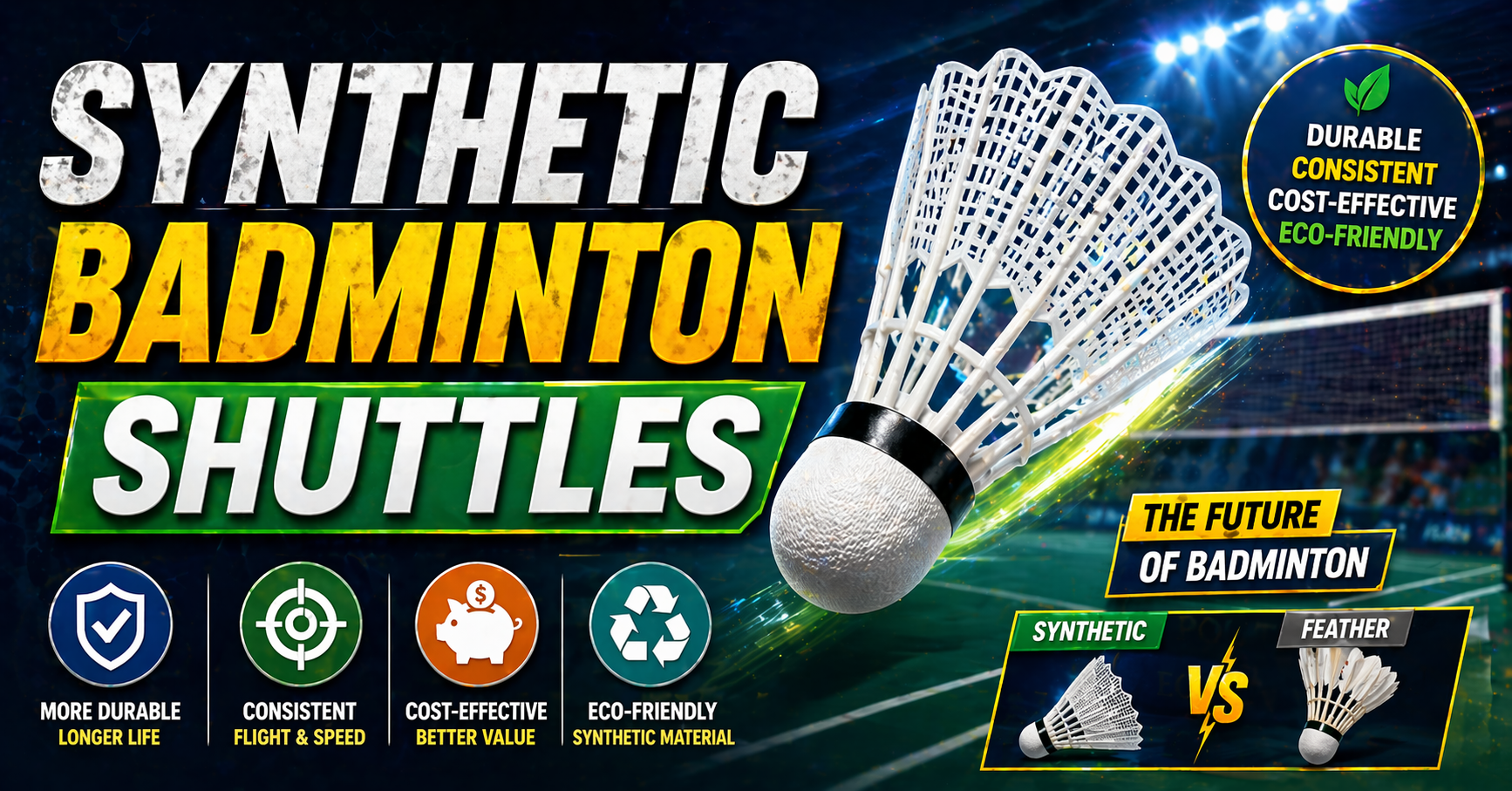
Context: The Governing Body of Badminton, Badminton World Federation (BWF), announced that it would test brands of synthetic shuttlecocks (synths) at Grade 3 and Junior International tournaments. BWF plans to replace the traditional feather shuttles with synths in top-tier tournaments over the long term.
Need for move to Synthetic Badminton Shuttle Cocks
The Badminton World Federation (BWF) officially approved the transition to synthetic shuttlecocks (synths) in April 2026 for specific international tiers.
- The “Feather Crisis”: Traditional shuttles require 16 feathers from the same wing of a goose/duck. Prices have surged >200% due to:
- Supply Shortages: Avian flu outbreaks in China (the primary producer) and a shift in livestock farming toward red meat.
- High Demand: Growing popularity in India, Indonesia, and China.
- Sustainability: Reducing the sport’s reliance on animal products and high-transportation carbon footprints.
- BWF Mandate: Currently approved for Grade 3 and Junior International tournaments to evaluate performance before potentially moving to elite tiers.
Physical Composition and Appearance of Synthetic Shuttles (Synths)
Synthetic shuttles aim to replicate the complex aerodynamics of natural feathers using industrial materials:
- Appearance: Distinctive lemonish yellow color (unlike the “regal white” of goose feathers).
- Structure:
- Base: Retains the traditional natural cork.
- Stems: Constructed from carbon graphite or nylon composites for rigidity.
- Skirt: Made of nylon nano-sheets with “chevron holes“ (V-shaped perforations) designed to replicate the air drag of feathers.
- Finishing: Components are bound with high-strength thread and coated in epoxy resin for extreme durability.
- Safety Warning: Some early batches were found to contain a metal element in the stock, raising concerns about eye injuries during high-speed smashes.
Approved Synthetic Shuttles
- Victor NCS MAX 12 – Carbon graphite + Foam Inserts
- Yonex Crosswind 70 – Stiffer nylon base
Variants of Approved Synthetic Shuttles and their Characteristics
| Feature | Victor NCS-MAX-12 | Yonex Crosswind 70 | Traditional Feather |
| Material | Carbon graphite + Foam inserts | Stiffer nylon + Stiffer stock | 16 Goose/Duck feathers |
| Feel/Touch | Stiffer; closer to feather speed | Softer; requires more power | Gold Standard (High “Touch”) |
| Durability | Moderate (Foam can detach) | Extreme (Can last 2+ games) | Low (Breaks in 10-15 mins) |
| Price | €25–30 per tube | Premium / High | Volatile & Expensive |
| Flight Path | Fast; less “natural brakes” | Stable but can bend at the tips | Natural deceleration/spin |
| Usage (2026) | Club & Grade 3 International | High-intensity Training | Elite Tournaments |
Key Concerns of Synthetic Shuttles
1. Performance & Feel
- “Natural Intelligence” Deficit: Unlike natural feathers, synths do not “self-correct” their flight path during tumbles, making delicate spinning net shots harder to execute.
- Skill Neutralization: Coaches fear that the less responsive material will reduce the gap between elite players and lower-tier ones by making “touch” and “deception” less effective.
- Predictability: Synths are often described as having a “robotic” or uniform feel that lacks the organic feedback of a goose-feather bird.
2. Aerodynamics (Flight)
- Speed Management: Synths lack the “aerodynamic brakes” of feathers. A smash arriving at 400 km/h instead of a feather’s 300 km/h (due to poor deceleration) disrupts defensive timing.
- Flight Stability: Trials have shown synths can be “whimsical,” occasionally wobbling or losing speed abruptly mid-flight.
3. Physical Integrity & Safety
- Catastrophic Failure: While durable, they don’t fray; they “crumple like a newspaper“ if mishit, becoming unplayable instantly.
- Metal/Carbon Risks: Reports of metal elements in the base and carbon graphite splinters pose significant eye and skin injury risks during high-velocity play.
- Component Detachment: Stability foam or nano-sheets can fly off mid-rally, altering flight immediately.
4. Visuals & Standards
- Color Shift: Moving from “regal white” to “lemonish yellow“ affects visibility in certain stadium lighting.
- Standardization: Significant differences remain between approved models (e.g., the stiffer Victor NCS Max vs. the softer Yonex Crosswind).

 Skyroot Vikram-1 Mission Aagaman: India'...
 Oor Pare Prehistoric Site: Location, Roc...
 Assam Election 2026: Exit Poll, Result D...








 WhatsApp