

Table of Contents
Context: Despite the high availability of Anti-Snake Venom (ASV), Kerala faces rising challenges in preventing snakebite fatalities due to environmental shifts and systemic diagnostic flaws.
Key Facts About Snakebite
- Neglected Tropical Disease (NTD): The World Health Organization (WHO) classifies snakebite envenoming as a High-Priority NTD, highlighting the need for global attention to a condition that primarily affects impoverished rural communities.
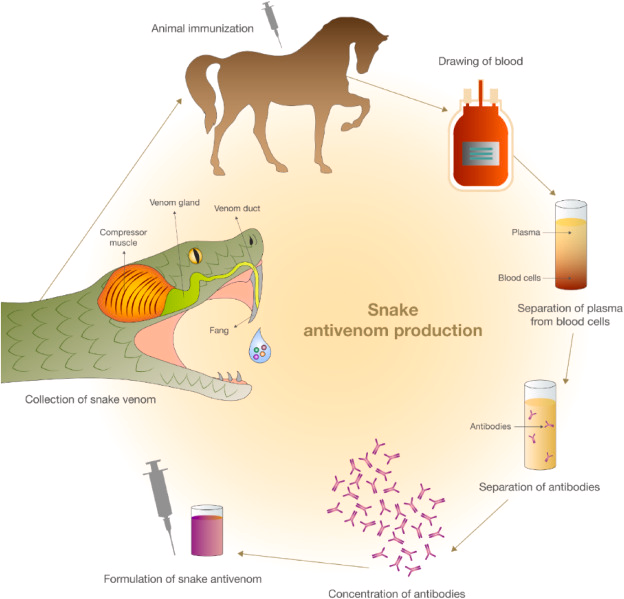
- Anti-Snake Venom (ASV): This life-saving treatment is produced by immunizing horses with snake venom. In India, ASV is polyvalent, meaning a single vial is designed to be effective against all members of the “Big Four” venomous snakes.
- SARPA Programme: A Kerala state initiative to professionalize snake rescue and reduce accidental bites during handling.
- SARPA App: A specialized digital tool launched by the Kerala government to professionalize snake rescue.
| Note |
| India records an estimated 58,000 snakebite deaths annually, making it the “snakebite capital” of the world. |
What are Antivenoms?
- Antivenoms (or antivenins) are life-saving medicines used to treat snakebites. They work by neutralizing venom toxins in the body.
- Production: Animals like horses are injected with small amounts of venom to stimulate antibody production. These antibodies are then harvested and purified to create antivenoms.
- Function: Antivenoms bind specifically to venom toxins, neutralizing their effects and allowing the body to clear them.
Snake Venom Composition
- It is a lethal cocktail of toxic proteins evolved to immobilize prey and defend against threats.
- Types of Toxins:
- Haemotoxins: Destroy blood cells and disrupt clotting.
- Neurotoxins: Block nerve signals, causing paralysis.
- Cytotoxins: Dissolve tissue at the bite site.
Challenges in accessing Anti-venoms
- Access Challenges: Remote areas lack healthcare facilities with antivenoms.
- Infrastructure Issues: Cold storage is critical for antivenom preservation, its non-availability in rural areas is an issue.
- High manufacturing costs
Future of Antivenoms
- Researchers use recombinant DNA technology to produce lab-engineered, synthetic antivenoms free from animal-derived proteins and offer greater safety and efficacy.
| Data on Snakebites in India |
|

 Skyroot Vikram-1 Mission Aagaman: India'...
 Oor Pare Prehistoric Site: Location, Roc...
 Assam Election 2026: Exit Poll, Result D...














 WhatsApp





