Table of Contents
About Mutualism
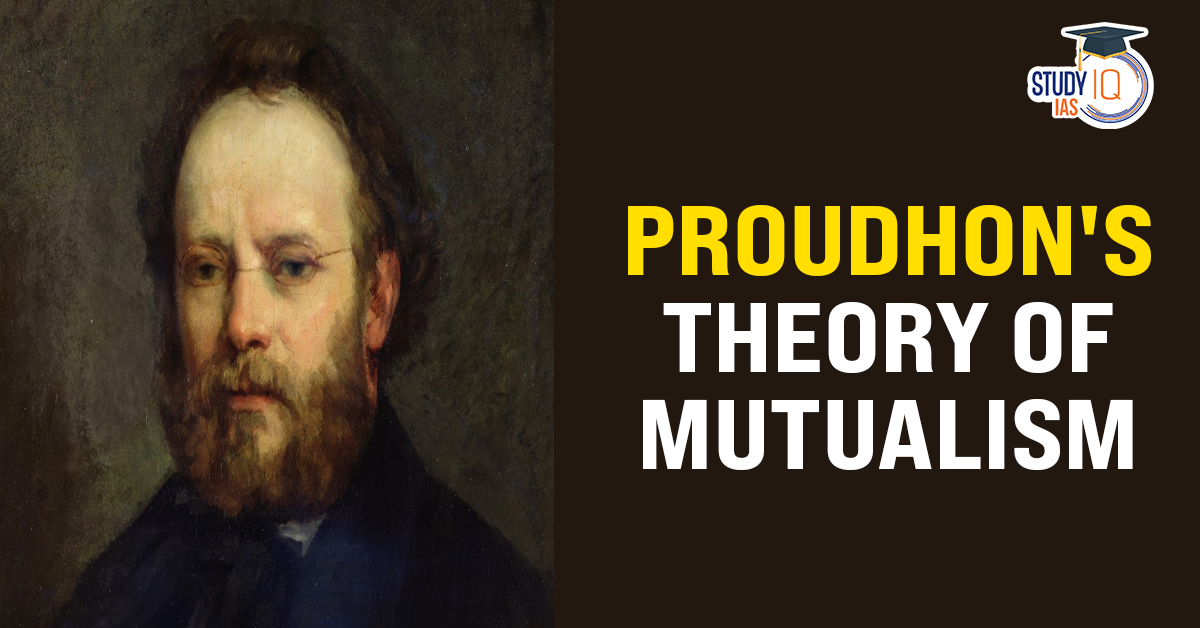
- The term “Mutualism” was coined by French philosopher Pierre-Joseph Proudhon in the mid-19th century as part of his broader critique of capitalism and authoritarianism.
- Mutualism is a socio-economic theory that envisions a cooperative and fair society. It’s based on:
- Voluntary cooperation and reciprocity: People and communities work together without coercion.
- Fair exchange: Goods and services are shared equitably, avoiding exploitation.
- Cooperative ownership: Resources like land and tools are managed collectively for everyone’s benefit.
- No central authority: It opposes both capitalist exploitation and state control, promoting freedom and equality.
- Mutualism view on Property:
- Differentiated property into 2 Types:
- Property: Ownership that controls or exploits others (bad).
- Possession: Using resources for your needs without harming others (good).
- Key Ideas:
- Ownership should be based on use, not accumulation or profit.
- Mutualism rejects state-imposed property rights that perpetuate inequality.
- Supports systems like worker cooperatives and shared resources to ensure fairness.
- Differentiated property into 2 Types:
- Real-World Examples –Traditional African Communities:
- Shared land ownership and collective labor were common.
- Production was aimed to meet community needs, not generate profits.
Critiques of Mutualism
- Challenges of Small-Scale Ownership:
- Critics argue small-scale property ownership does not fully challenge the structural inequalities of capitalism (May be insufficient to address wealth and power concentration).
- Too Idealistic:
- Voluntary cooperation is hard to achieve on a large scale.
- Marxist Critique:
- Marxists argue mutualism doesn’t fully address capitalism’s core problems, like exploitation and inequality.
- They feel it underestimates the power struggles between large corporations and small producers.

 India–Poland Relations 2026: Strategic...
 Supreme Court on Children's Right to Int...
 Daily Current Affairs PDF 2026: Download...













 WhatsApp