
Table of Contents
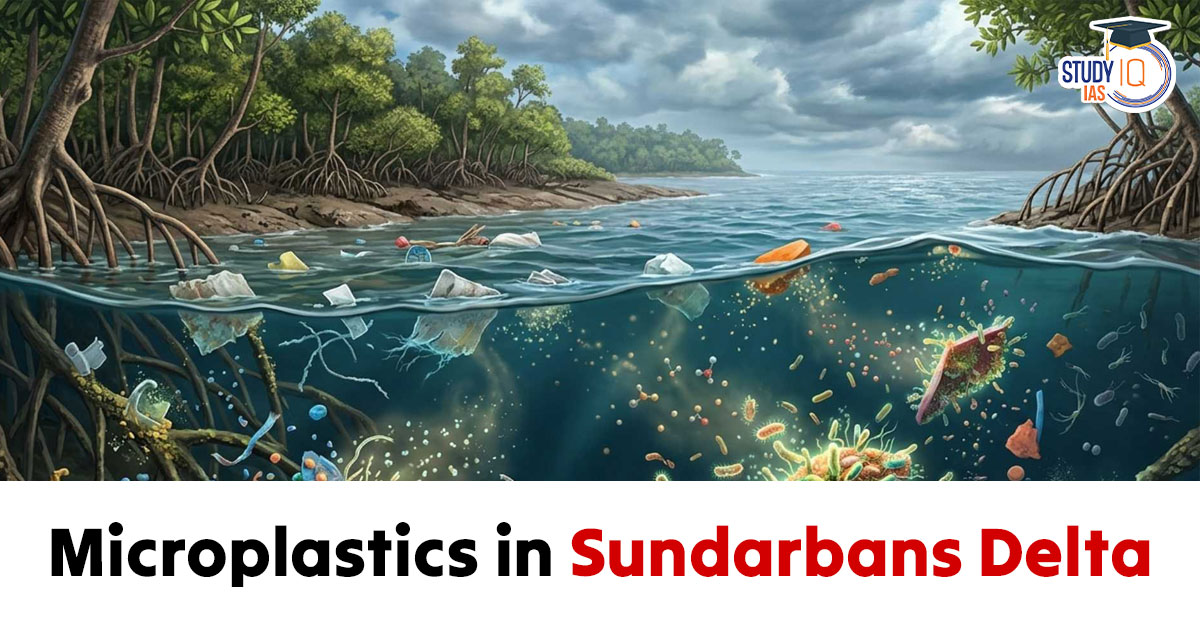
Context: A study by IISER Kolkata reveals that microplastics in the Sundarbans are acting as a “novel carbon reservoir,” releasing dissolved and biogenic carbon that threatens the efficiency of this critical blue-carbon ecosystem.
Microplastics in Sundarbans Delta
- Concentration Levels: Microplastic levels ranged from 5 to 58 particles per liter.
- Seasonal Surge: Concentrations were 40% higher during the monsoon, as heavy rainfall washed urban plastic waste and “colourless fragments” (weathered plastic) into the estuary.
- Common Sources and Material Types: The study identified the specific types of plastic polluting the Mooriganga estuary:
- Fibres (50%): Predominantly sourced from synthetic textiles.
- Fragments: Derived from broken-down larger items.
- Chemical Composition: The most common materials found were Polypropylene (packaging) and Polyethene Terephthalate (water bottles).
- Plastispheres: The researchers discovered complex microbial communities, known as “plastispheres,” living within the pits and grooves of the plastic particles.
Impact on Carbon Budget
- Leaching Carbon: As they weather, they release dissolved organic carbon (DOC) into the water.
- Biogenic Carbon: Microbes living on the plastic produce their own carbon, further adding to the “novel carbon reservoir.”
- Bacterial Growth: This influx of plastic-derived carbon allows bacteria to multiply at unnaturally fast rates, interfering with the natural food web.
Impact on Blue-Carbon Ecosystems
- Reduced Efficiency: The introduction of artificial carbon from plastics may make mangroves less efficient at their natural carbon-sequestering role.
- Ecosystem Integration: Microplastics have now become a significant, permanent component of the Sundarbans’ carbon cycle, potentially shifting the ecological balance of the region.
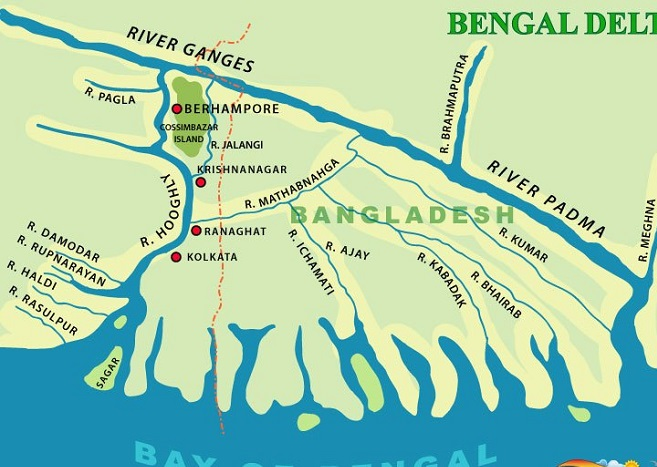
| Sundarban Delta |
Mooriganga Estuary
|

 Ramsar Sites in India 2026 List: Names, ...
 Skyroot Vikram-1 Mission Aagaman: India'...
 Oor Pare Prehistoric Site: Location, Roc...














 WhatsApp





