Table of Contents
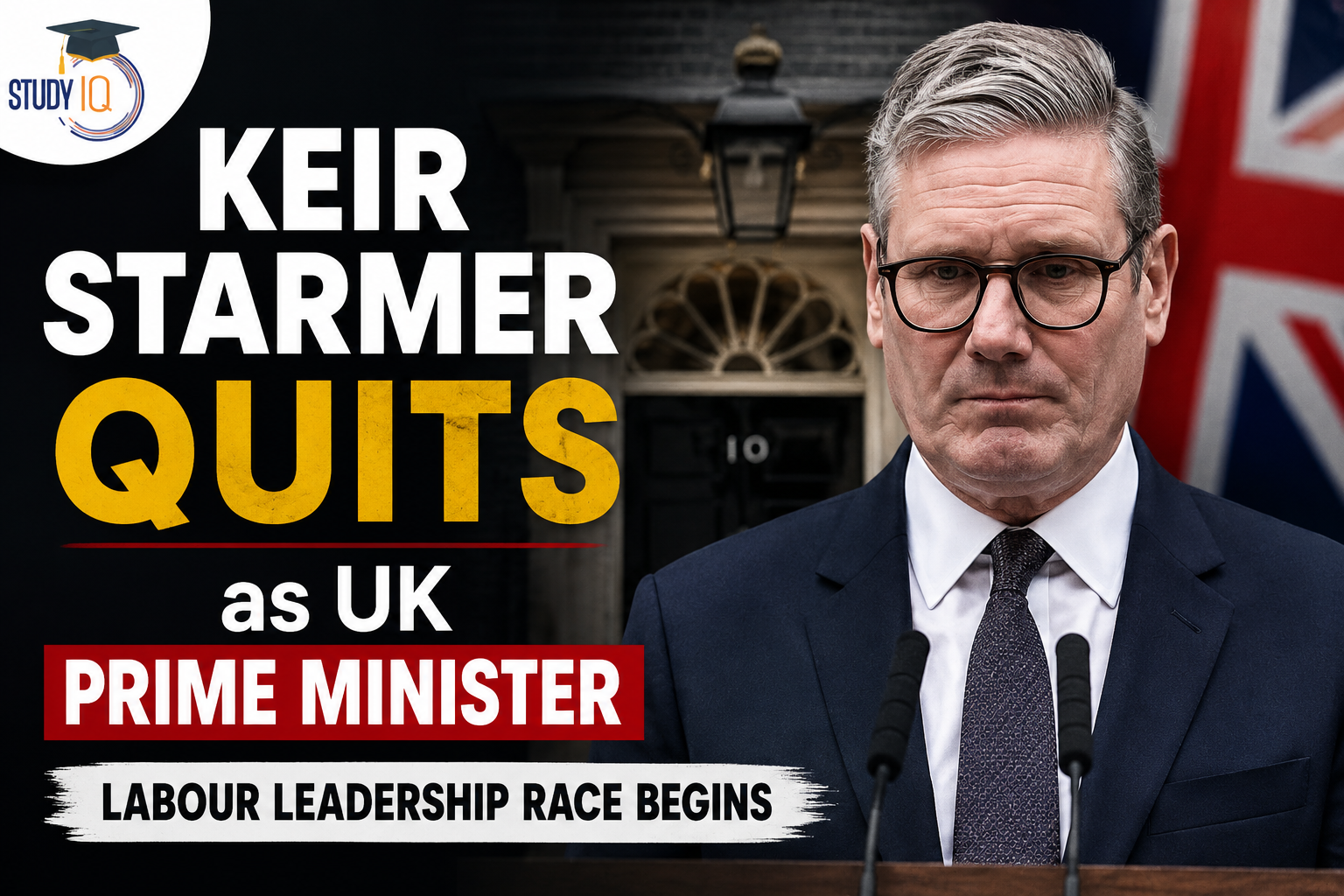
In a dramatic development that has sent shockwaves through British politics, Keir Starmer has announced his resignation as Prime Minister of the United Kingdom and leader of the Labour Party. The surprise decision marks a major turning point for the UK government and opens the door to a leadership contest that will determine Britain’s next Prime Minister.
Speaking from Downing Street, Starmer confirmed that he had informed King Charles III of his decision and would remain in office until the Labour Party elects a new leader. The announcement comes amid growing pressure from within the party following a series of electoral setbacks and internal disputes.
Keir Starmer Announces Resignation
Addressing the nation outside 10 Downing Street, Starmer acknowledged that he was no longer the best person to lead Labour into the next general election. He stated that an orderly transition of power was in the country’s best interests and pledged his full support to whoever succeeds him.
The Labour Party’s governing body is expected to open nominations for the leadership contest on July 9, with the process concluding before Parliament returns from its summer recess in September.
Starmer emphasized that he would continue to serve as Prime Minister until a new Labour leader is formally chosen.

Why Did Keir Starmer Resign?
Political analysts point to several factors behind Starmer’s decision to step down.
Key Reasons Behind the Resignation
- Disappointing election results for Labour in England, Wales, and Scotland.
- Growing dissatisfaction among Labour MPs regarding the party’s direction.
- Criticism over multiple policy reversals in recent months.
- Controversy surrounding key appointments and leadership decisions.
- Rising pressure from influential Labour figures calling for a change in leadership.
The pressure intensified after Labour’s struggles in recent elections, which raised concerns about the party’s prospects in future national contests.
Emotional Farewell Speech
Starmer delivered an emotional farewell speech, accompanied by his wife Victoria Starmer.
Reflecting on his political journey and personal life, he said that after leaving office he wanted to devote more time to his family.
The Prime Minister thanked Labour members, government staff, and supporters who had stood by him throughout his leadership.
Observers noted the emotional tone of the speech, which signaled the end of a significant chapter in Starmer’s political career.
Who Could Be the Next UK Prime Minister?
Attention has now shifted to the race to replace Starmer as Labour leader and Prime Minister.
Andy Burnham Emerges as Leading Contender
Former Greater Manchester Mayor Andy Burnham is widely viewed as one of the strongest candidates. His recent victory in the Makerfield by-election has boosted his profile and strengthened speculation about a leadership bid.
Many Labour supporters believe Burnham could help rebuild the party’s standing and reconnect with voters.
Wes Streeting Expected to Enter the Race
Former Health Secretary Wes Streeting has also indicated that he is likely to contest the leadership election. Other senior Labour figures may join the race once nominations officially open.
Political commentators expect a highly competitive contest that could reshape Labour’s future direction.
Labour Leadership Contest: Key Dates
| Event | Date |
|---|---|
| Nominations Open | July 9 |
| Nominations Close | July 16 |
| Leadership Campaign | July-August |
| New Leader Announced | Before September |
| Transition of Power | Following Election of New Leader |
What Happens Next?
The leadership contest will determine not only the future leader of the Labour Party but also the next Prime Minister of the United Kingdom.
Key issues expected to dominate the campaign include:
- Economic growth and inflation
- Public services and healthcare
- Immigration and border security
- Housing affordability
- Labour’s electoral strategy ahead of the next general election
The outcome of the race could significantly influence Britain’s domestic and international policies in the years ahead.
A Historic Political Moment
Starmer’s resignation means the United Kingdom will soon welcome its seventh Prime Minister since 2016, highlighting a decade of political turbulence and leadership changes.
His departure marks the end of a leadership era that began when he took charge of Labour in 2020 and culminated in the party’s return to power in 2024.
As Labour prepares for a new chapter, the political spotlight now turns to the candidates seeking to lead both the party and the country.
Conclusion
Keir Starmer’s resignation as UK Prime Minister and Labour Party leader represents one of the biggest political stories of the year. With the leadership race set to begin, Britain faces another major political transition. The coming weeks will determine who emerges as Labour’s new leader and the next Prime Minister of the United Kingdom.
Latest UPSC Updates
| Resource | Link |
|---|---|
| UPSC Prelims Result 2026 | Check Here |
| UPSC Exam Calendar 2027 | View Calendar |
| UPSC Question Paper 2026 | Download PDF |
| UPSC Prelims Answer Key 2026 | Check Answer Key |
| UPSC Cut Off 2026 | View Cut Off |
| UPSC Syllabus 2026 | Read Syllabus |
| Daily Current Affairs 2026 | Read Updates |
| StudyIQ UPSC IAS Foundation 2027 (English) | Join Course |
| StudyIQ UPSC IAS Foundation 2027 (Hindi) | Join Course |
| StudyIQ UPSC IAS Foundation 2027 (Bilingual) | Join Course |
 Anti-Goonda Bill 2026 Explained: Why Pre...
 Cool Leaders Award 2026: Winners, Global...
 Black Carbon and Himalayan Glacier Melt:...





 WhatsApp