Table of Contents
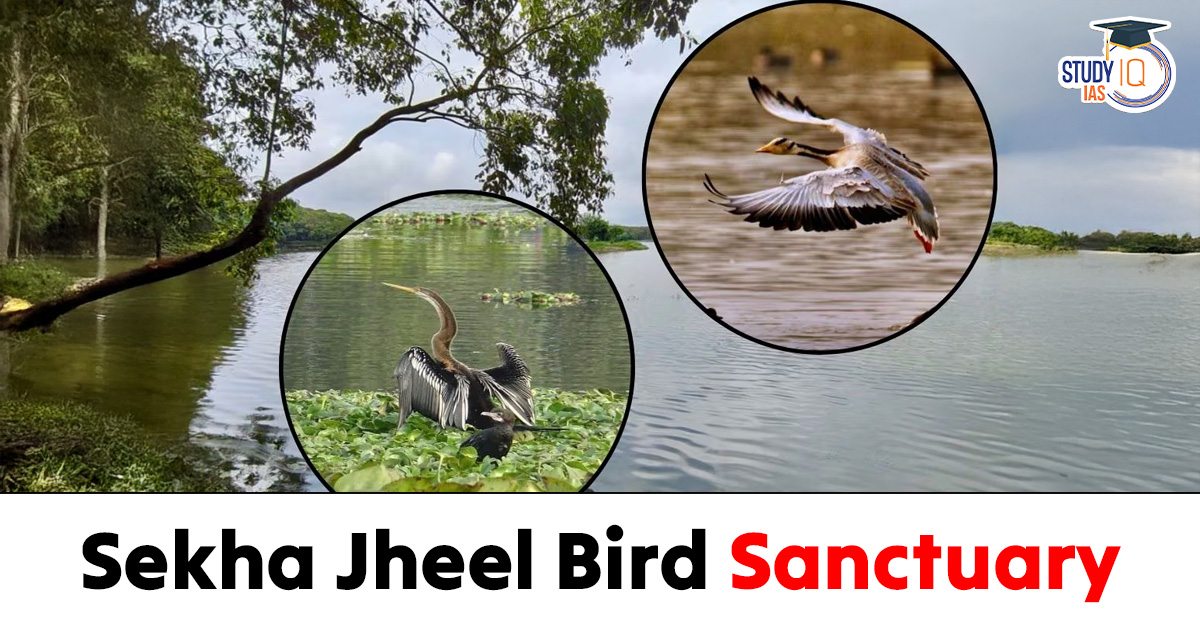
Context: The Shekha Jheel Bird Sanctuary has been declared India’s 99th Ramsar site.
About Sekha Jheel Bird Sanctuary
The Sekha Jheel Bird Sanctuary is an emerging wetland ecosystem known for its rich bird diversity and ecological importance. This sanctuary has gained attention as a vital habitat for both resident and migratory birds, making it a significant site for conservation and birdwatching.
- Location: Aligarh, Uttar Pradesh.
- Type: Freshwater perennial wetland/jheel, linked to the Upper Ganga Canal system.
- Significance: Serves as a significant stopover for migratory birds (e.g., Bar-headed goose, Painted stork) and aids in groundwater recharge.
| Ramsar Convention |
| Origin: An international treaty signed in 1971, in the Iranian city of Ramsar; it came into force in 1975.
Mandate: To promote the conservation and “wise use” of wetlands through local and national actions and international cooperation. Global Reach: As of 2026, it involves 172 contracting parties (including India, which ratified it in 1982) and protects over 2,500 sites worldwide. Ramsar siteA “Ramsar Site” is a wetland designated as being of international importance based on specific ecological and biological criteria.
|
Biodiversity and Bird Species
The sanctuary is home to a wide range of avian species, including:
- Migratory birds: Northern pintail, common teal, bar-headed geese
- Resident birds: Egrets, herons, kingfishers, and cormorants
- Rare sightings: Occasionally hosts endangered and near-threatened species
During winters, birds from Central Asia and Europe flock to Sekha Jheel, transforming it into a vibrant ecological hotspot.
Ecological Importance of Sekha Jheel
1. Wetland Ecosystem
Sekha Jheel plays a crucial role in maintaining ecological balance by supporting aquatic plants, fish, and bird populations.
2. Bird Migration Hub
It serves as an important stopover site along migratory routes, contributing to global biodiversity conservation.
3. Water Conservation
Wetlands like Sekha Jheel help in groundwater recharge and flood control.
Tourism and Birdwatching
The sanctuary is gradually becoming a popular destination for:
- Birdwatchers
- Nature photographers
- Researchers and students
The best time to visit is November to February, when migratory birds are present in large numbers.
Conservation Challenges
Despite its ecological value, Sekha Jheel faces several challenges:
- Water pollution
- Encroachment and habitat degradation
- Lack of proper infrastructure and awareness
Efforts are being made by local authorities to protect and promote the sanctuary.
Government Initiatives
The state government of Uttar Pradesh has taken steps to:
- Improve wetland management
- Promote eco-tourism
- Enhance conservation awareness
Recognition and protection of such wetlands are crucial under India’s environmental policies.
Conclusion
The Sekha Jheel Bird Sanctuary is a valuable ecological asset that highlights the importance of wetland conservation in India. With its rich biodiversity and growing recognition, it holds immense potential as a birdwatching destination and a center for environmental education. Sustainable management and increased awareness can help preserve this hidden gem for future generations.

 Ramsar Sites in India 2026 List: Names, ...
 Skyroot Vikram-1 Mission Aagaman: India'...
 Oor Pare Prehistoric Site: Location, Roc...














 WhatsApp