Table of Contents
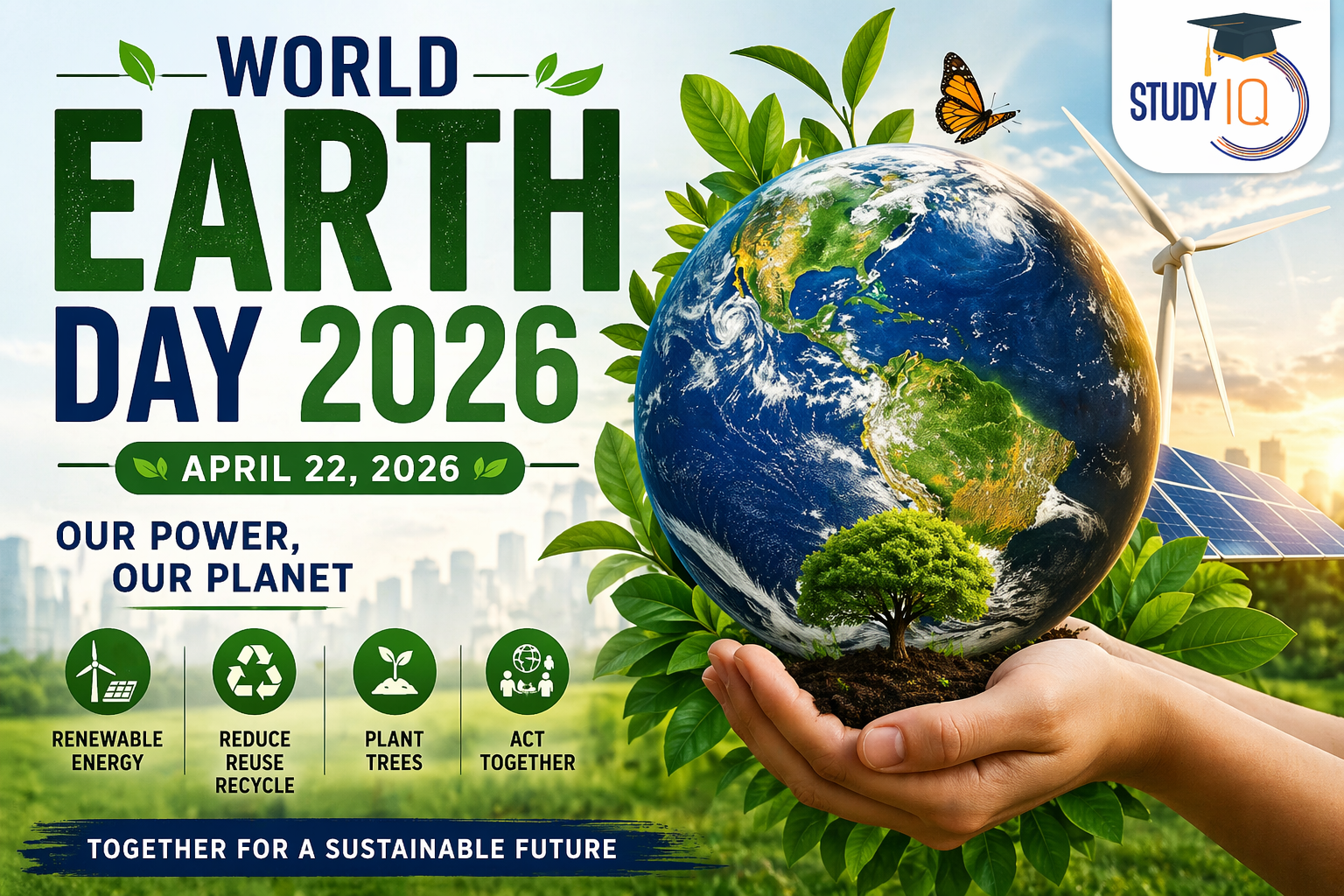
World Earth Day 2026 is observed on April 22 across the globe to promote environmental protection and sustainable living. It is one of the largest civic movements in the world, engaging over one billion people in more than 190 countries. The day serves as a reminder of the urgent need to address global environmental challenges such as climate change, pollution, deforestation, and biodiversity loss.
With rising environmental concerns, Earth Day 2026 emphasizes collective responsibility, encouraging individuals, governments, and organizations to adopt eco-friendly practices and contribute toward building a sustainable future.
History of World Earth Day
World Earth Day has its roots in the environmental movement of the late 20th century.
- Origin (1970): The idea of Earth Day was proposed by Gaylord Nelson, a U.S. Senator, following the devastating 1969 Santa Barbara oil spill, which exposed the harmful impacts of industrial pollution.
- The first Earth Day was organized on April 22, 1970, by environmental activist Denis Hayes, mobilizing nearly 20 million Americans.
- This movement led to the establishment of the United States Environmental Protection Agency and the enactment of landmark environmental laws such as the Clean Air Act and Clean Water Act.
Global Expansion
- 1990: Earth Day became a global event, with participation from 141 countries.
- 2016: The historic Paris Agreement was signed by 175 countries on Earth Day, highlighting its importance in global environmental governance.
Today, Earth Day continues to inspire environmental activism and policy action worldwide.
World Earth Day 2026 Theme
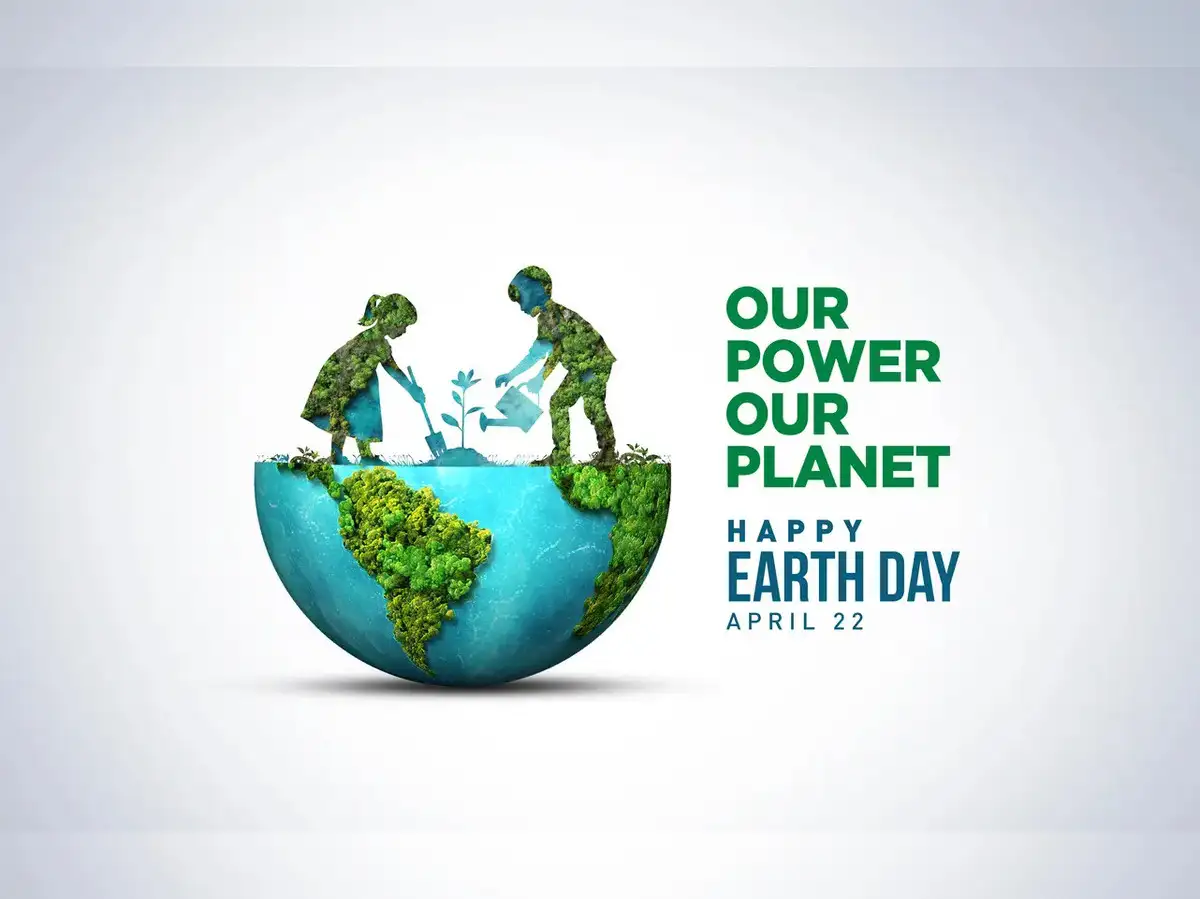
“Our Power, Our Planet.”
The theme for Earth Day 2026 focuses on empowering people and communities to take active roles in protecting the environment. It highlights the importance of transitioning to renewable energy sources and adopting sustainable lifestyles.
Key Focus Areas:
- Promotion of renewable energy (solar, wind, hydro)
- Reducing dependence on fossil fuels
- Encouraging individual responsibility
- Strengthening community participation
This theme aligns with global sustainability goals such as clean energy and climate action.
Significance of World Earth Day
World Earth Day plays a crucial role in shaping environmental awareness and action.
1. Raising Awareness
Earth Day highlights pressing issues like:
- Climate change
- Air and water pollution
- Deforestation
- Loss of biodiversity
2. Influencing Policy
The movement has contributed to major environmental policies and agreements globally, pushing governments toward stricter regulations.
3. Encouraging Public Participation
It promotes grassroots involvement, making environmental protection a people-driven movement rather than solely government-led.
4. Promoting Sustainable Lifestyles
Earth Day encourages habits such as:
- Reducing plastic use
- Conserving energy
- Recycling and reusing resources
5. Strengthening Global Unity
It unites people across nations for a common cause—protecting the planet for future generations.
Major Environmental Challenges in 2026
Despite increased awareness, several environmental challenges persist globally:
Climate Change
Global temperatures have risen by approximately 1.1°C above pre-industrial levels, leading to extreme weather events like heatwaves, floods, and cyclones.
Deforestation
Large-scale deforestation, especially in tropical regions, continues to threaten biodiversity and disrupt ecosystems.
Plastic Pollution
Millions of tonnes of plastic waste enter oceans every year, harming marine life and entering the human food chain as microplastics.
Biodiversity Loss
Scientists warn of a sixth mass extinction, with species disappearing at alarming rates due to habitat destruction and human activities.
Weak Environmental Governance
In many regions, environmental laws are being diluted, making conservation efforts less effective.
Earth Day 2026 Events and Activities
Earth Day 2026 will witness widespread participation across the globe through various initiatives:
- Awareness Campaigns: Focus on climate change, sustainability, and conservation
- Clean-up Drives: Organized in cities, beaches, and forests
- Educational Programs: Workshops, quizzes, and lectures in schools and universities
- Tree Plantation Drives: Promoting afforestation
- Community Engagement: Encouraging local action and participation
India-Specific Activities
In India, institutions like science centers and educational bodies conduct seminars, competitions, and awareness programs to engage youth in environmental protection.
Government Initiatives for Environmental Protection
Governments worldwide, especially India, have launched several initiatives aligned with Earth Day goals:
National Action Plan on Climate Change (NAPCC)
- Includes missions on solar energy, energy efficiency, and sustainable agriculture
- Aims to address climate change comprehensively
Green India Mission
- Focuses on increasing forest cover and improving ecosystem services
- Enhances carbon sequestration capacity
LiFE Movement (Lifestyle for Environment)
- Promotes sustainable lifestyle practices at the individual level
- Encourages mindful consumption and reduced waste
Swachh Bharat Mission
- Aims to improve sanitation and waste management
- Reduces pollution and promotes cleanliness
Role of Renewable Energy
A major highlight of Earth Day 2026 is the emphasis on renewable energy.
Benefits:
- Reduces greenhouse gas emissions
- Decreases dependence on fossil fuels
- Promotes sustainable economic growth
Countries are working toward tripling renewable energy capacity by 2030, which is essential for combating climate change effectively.
Way Forward
To ensure a sustainable future, the following steps are crucial:
- Transition to clean energy sources
- Strengthen environmental governance
- Promote sustainable agriculture and consumption
- Increase public awareness and participation
- Encourage innovation and green technologies
Conclusion
World Earth Day 2026 highlights the importance of collective environmental responsibility. With the theme “Our Power, Our Planet,” it underscores that real change begins at the individual and community levels.
As environmental challenges intensify, governments, organizations, and citizens need to work together toward sustainable development. Protecting the Earth is not just a choice—it is a necessity for ensuring a healthy and livable planet for future generations.
 Supreme Court on Children's Right to Int...
 Daily Current Affairs PDF 2026: Download...
 Daily Mains Articles 2026 – Updated Da...














 WhatsApp