Table of Contents
What is Slag?
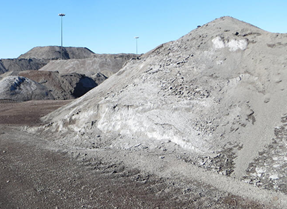
- It is a composite material containing metal oxides (such as iron oxide, calcium oxide, and magnesium oxide) and silicon dioxide (SiO₂) and is a by-product of the steelmaking process in the iron and steel industries.
- It is created when molten metal is separated from the impurities in ore during smelting or refining.
- The molten slag floats on top of the heavier molten metal and is removed once the metal is extracted.
Usage:
- Construction Material: Slag is often used in road construction, concrete production, and as an aggregate for cement.
- Environmental Applications: Some slags are used to neutralise acidic soils or water bodies due to their ability to absorb and stabilise contaminants.
- Carbon Sequestration: Certain types of slag can capture and store carbon dioxide (CO₂) through a process called mineral carbonation.
- Slag is chemically stable and has the ability to neutralise acidity.
- When lithified slag breaks down, it stores greenhouse gases like carbon dioxide through a process called mineral carbonation.
- This process mimics natural weathering.
- Slag is chemically stable and has the ability to neutralise acidity.
What is Lithification?
- Lithification is the process by which sediments are compacted and cemented together to form sedimentary rock.
| Fact |
|
About Mineral Carbonation
- It refers to the process of chemically converting carbon dioxide (CO₂) into stable carbonate minerals by reacting it with naturally occurring minerals.
- This process mimics natural geological processes, where CO₂ reacts with calcium, magnesium, or iron silicate minerals to form solid carbonates like calcium carbonate (limestone) or magnesium carbonate.

 World Pharmacists Day 2026: Date, Theme,...
 UPSC EPFO Exam Strategy 2026: Complete 3...
 Census Town in India: Criteria, Meaning ...














 WhatsApp