Table of Contents
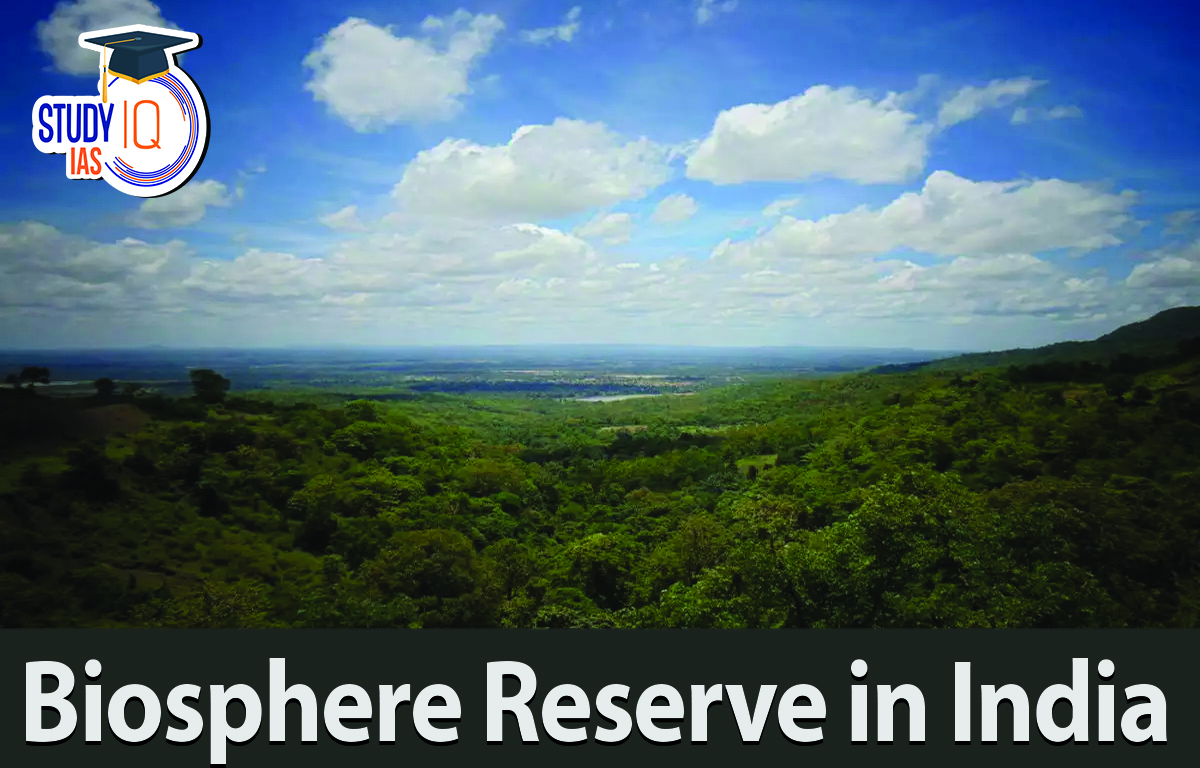
India is one of the world’s 17 mega-biodiverse countries, hosting nearly 8% of global biodiversity despite covering only about 2.4% of Earth’s land area. To protect this extraordinary natural heritage, India established the concept of Biosphere Reserves, which represent large areas of terrestrial, coastal, and marine ecosystems promoting a balance between conservation and sustainable human development.
As of 2026, India has 18 notified Biosphere Reserves, out of which 13 are recognized internationally under UNESCO’s World Network of Biosphere Reserves (WNBR). These reserves are spread across diverse landscapes such as the Himalayas, Western Ghats, Northeast India, coastal regions, mangroves, deserts, and island ecosystems.
What is a Biosphere Reserve?
A Biosphere Reserve is a large protected area designed to:
-
Conserve ecosystems, species, and genetic diversity
-
Promote sustainable economic development
-
Support research, monitoring, education, and training
Unlike national parks or wildlife sanctuaries, biosphere reserves integrate conservation with human settlements. They act as “living laboratories” where conservation and sustainable development go hand in hand.
Zonation of Biosphere Reserves
Each biosphere reserve is divided into three zones:
-
Core Zone
-
Strictly protected
-
No human activity except research
-
Conserves biodiversity in its natural state
-
-
Buffer Zone
-
Surrounds the core area
-
Activities such as eco-tourism, education, and research allowed
-
Acts as a protective belt
-
-
Transition Zone
-
Outermost zone
-
Human settlements and economic activities
-
Focus on sustainable agriculture, forestry, and livelihoods
-
This zoning system makes biosphere reserves unique compared to other protected areas.
How Many Biosphere Reserves Are There in India in 2026?
-
Total Biosphere Reserves in India (2026): 18
-
UNESCO-recognized Biosphere Reserves: 13
Complete List of Biosphere Reserves in India 2026
| Name | Details |
| Nilgiri Biosphere Reserve
-1st Biosphere reserve of India |
🡪State(s): Tamil Nadu, Kerala and Karnataka
🡪Includes the Mudumalai, Mukurthi, Nagarhole, Bandipur and Silent Valley national parks, and Aralam, Wayanad and Sathyamangalam wildlife sanctuaries. 🡪Flora: Tropical forest; Mixed Mountain and highland systems, shola forest 🡪Fauna: Lion Tailed Macaque, Nilgiri Tahr, Malabar Giant Squirrel, Nilgiri Langur. 🡪Tribes: Cholanaikans (only surviving hunter-gatherers of the Indian subcontinent) 🡪Included in MAB |
| Nanda Devi Biosphere Reserve | 🡪State: Uttarakhand
🡪Includes Nanda Devi National Park & Valley of Flowers National Park 🡪Flora: alpine vegetation mainly comprises herbaceous species and scrub communities such as Rhododendron, R. anthopogon and Salix denticulata. 🡪Fauna: Snow Leopard, Musk Deer, Bharal or Blue Sheep. 🡪Tribe: Bhotia 🡪Included in MAB |
| Nokrek Biosphere Reserve | 🡪State: Meghalaya
🡪Located on the Tura Range, which forms part of the Meghalaya Plateau 🡪Flora: Evergreen and semi-evergreen deciduous forest. 🡪Fauna: Slow Loris, Giant flying squirrel, Pig-tailed macaque, Red Panda (Sighted only once), leopards, elephants, Hoolock gibbons 🡪Tribe: Garo (Achikmande), Banias or Hajjons Included in MAB 🡪Included in MAB |
| Great Nicobar Biosphere Reserve | 🡪UT: Andaman and Nicobar Islands
🡪Includes Campbell Bay National Park and Galathea National Park. 🡪Flora: Tropical wet evergreen forests, houses 650 species of angiosperms, ferns, gymnosperms, bryophytes and lichens among others. 🡪Fauna: Crab-eating Macaque, Nicobar Tree Shrew, Dugong, Nicobar Megapode, Serpent Eagle, salt water crocodile, marine turtles and Reticulated Python 🡪Tribe: Shompen and Nicobarese 🡪Included in MAB |
| Gulf of Mannar | 🡪State: Tamil Nadu
🡪 Lies between the west coast of Sri Lanka and the south-eastern tip of India, in the Coromandel Coast region. 🡪 Three distinct Coastal ecosystems namely coral reef, seagrass bed and mangroves. 🡪Fauna: Dugong, sea turtles, crustaceans, molluscs, echinoderms 🡪 Last refuge of an invertebrate, the unique ‘living fossil’ Balanoglossus that links vertebrates and invertebrates. 🡪Tribe: Marakeyars, local people principally engaged in fisheries. 🡪 Rameswaram is situated in the gulf on the island of Pamban. 🡪Included in MAB |
| Manas Biosphere Reserve | 🡪State: Assam
🡪Flora: monsoon forests, grasslands 🡪Fauna: Wild water buffalo, Assam Roofed Turtle, Hispid Hare, Golden Langur & Pygmy Hog. 🡪Not included in MAB |
| Sundarbans Biosphere Reserve | 🡪State: West Bengal
🡪 Largest delta and mangrove forest in the world. 🡪 Largest mangal diversity in the world, with 81 mangrove plant species and 1,586 animal species 🡪Flora: Tropical humid forest; Mangroves, (Sundari Tree) 🡪Fauna: Royal Bengal tiger, Salvator Lizard, Bengal Monitor Lizard. 🡪 The core area (Sunderban National Park) has been designated as a World Heritage site. 🡪Include in MAB |
| Simlipal Biosphere Reserve | 🡪State: Orissa
🡪Flora: Has the largest zone of Sal in all of India. 🡪Fauna: Asiatic Elephant, Gaur, Royal Bengal Tiger, Wild elephant, Paradoxus jorandensisis (endemic). 🡪Tribe: Erenga Kharias and Mankirdias, Ho, Gonda and Munda 🡪Included in MAB |
| Dibru-Saikhowa Biosphere Reserve | 🡪State: Assam
🡪Flora: semi-evergreen forests, deciduous, littoral and swamp forests and patches of wet evergreen forests. 🡪Fauna: Bengal Tiger, Clouded Leopard, Gangetic Dolphin, Golden Langur, feral horse 🡪Not included in MAB |
| Dehang-Dibang Biosphere Reserve | 🡪State: Arunachal Pradesh
🡪Includes Mouling National Park and the Dibang WLS 🡪Flora: tropical wet evergreen in the river gorges to subtropical, temperate, alpine and permanent snow 🡪Fauna: Mishmi takin, red goral, musk deer red panda, Asiatic black bear, and Gongshan muntjac. 🡪Not included in MAB |
| Pachmarhi Biosphere Reserve | 🡪State: Madhya Pradesh
🡪Includes Satpura National Park, Bori and Pachmarhi Wildlife Sanctuary 🡪 Lies in the centre of the Satpura Range. 🡪Flora: Teak and Sal 🡪Fauna: Barasinga, Gaur, Bears, Tigers and leopards, Giant Squirrel and Crested, Flying Squirrel. 🡪Tribe: Gonds, Korkus, Bhariya. 🡪Included in MAB |
| Khangchendzonga Biosphere Reserve | 🡪State: Sikkim
🡪 Trans-boundary bio-diversity hotspot conservation area. 🡪Flora: alpine meadows, rhododendrons 🡪Fauna: Red Panda, Snow Leopard, Musk Deer, Great Tibetan Sheep 🡪 Khangchendzonga National Park, which comprises the core area of the reserve, is India’s first “Mixed World Heritage Site” 🡪Included in MAB |
| Agasthyamalai Biosphere Reserve | 🡪State(s): Kerala and Tamil Nadu
🡪 Includes Shendurney Wildlife Sanctuary, Peppara Wildlife Sanctuary, Neyyar Wildlife Sanctuary & Kalakad Mundanthurai Tiger Reserve 🡪Flora: Tropical Wet Evergreen Forests 🡪Fauna: Lion Tailed Macaque, Slender Loris, Great Pied Hornbill, Nilgiri Tahr, Elephants, Tiger 🡪Also, a unique genetic reservoir of cultivated plants, in particular cardamom, jamun, nutmeg, pepper and plantain. 🡪 Tribes: Kani 🡪Included in MAB |
| Achanakamar – Amarkantak Biosphere Reserve | 🡪State(s): Chhattisgarh, Madhya Pradesh
🡪 Maikal hills together with eastern Vindhyas and Satpuras lie within the reserve. 🡪 Act as a water divide-separates the rivers that drain into the Arabian Sea and the Bay of Bengal. 🡪Amarkantak: source of Narmada, Son and Johilla. 🡪Flora: Moist Deciduous and dry deciduous 🡪Fauna: Four horned antelope, Indian wild dog, Saras crane, Asian white-backed vulture, Sacred grove bush frog, striped Hyaena, , Chital, Wild Bear, Leopard. 🡪Included in MAB |
| Kachchh Biosphere Reserve | 🡪State: Gujarat
🡪 Includes Kachchh Desert Sanctuary, Wild Ass Sanctuary, Narayan Sarovar Sanctuary, Kutch Bustard Sanctuary and Banni Grasslands Reserve. 🡪 One of the largest seasonal salt marshes in the world 🡪Flora: Grasslands, thorn scrub forests 🡪Fauna: Great Indian Bustard, Indian wild Ass, Desert Cat, Desert Fox, Flamingo. 🡪Not Included in MAB |
| Cold Desert Biosphere Reserve | 🡪State: Himachal Pradesh
🡪 Includes Pin Valley National Park, Chandratal, Sarchu and Kibber Wildlife Sanctuaries. 🡪Flora: high-altitude cold desert ecosystem, sparse vegetation, medicinal plants like Aconitum rotundifolium, Arnebia euchroma 🡪Fauna: Snow leopard, Himalayan Ibex, Tibetan antelope, Himalayan wolf. 🡪 Included in MAB |
| Seshachalam Hills Biosphere Reserve | 🡪Andhra Pradesh
🡪 Includes Srivenkateshwara National Park 🡪Flora: Red Sanders 🡪Fauna: Golden Gecko (endemic), Slender Loris, Indian giant squirrel, Mouse deer 🡪Tirupati Balaji Temple located within the reserve. 🡪Not included in MAB |
| Panna Biosphere Reserve | 🡪State: Madhya Pradesh
🡪Panna Tiger Reserve 🡪Flora: Dry deciduous forests of Teak, Salai, Kardhai. 🡪Fauna: Tiger, Chital, Chinkara, Sambhar, Sloth bear. 🡪Tribes/Ethnic groups: Gond, Khairuas, and Yadavas. 🡪 Panna is most sacrosanct pilgrimage for the followers of the Pranami sect world over. 🡪Included in MAB |
Biosphere Reserves Included in UNESCO’s MAB Programme
India maintains strong participation in UNESCO’s Man and the Biosphere (MAB) Programme, with the following reserves receiving international recognition:
- Nilgiri Biosphere Reserve
- Nanda Devi Biosphere Reserve
- Nokrek Biosphere Reserve
- Great Nicobar Biosphere Reserve
- Gulf of Mannar Biosphere Reserve
- Sundarbans Biosphere Reserve
- Simlipal Biosphere Reserve
- Pachmarhi Biosphere Reserve
- Khangchendzonga Biosphere Reserve
- Agasthyamalai Biosphere Reserve
- Achanakamar–Amarkantak Biosphere Reserve
- Cold Desert Biosphere Reserve
- Panna Biosphere Reserve
Biosphere Reserves Not in UNESCO’s MAB Programme
The following reserves, while critically important for Indian biodiversity conservation, are not currently designated as UNESCO MAB reserves:
- Manas Biosphere Reserve (Assam)
- Dibru-Saikhowa Biosphere Reserve (Assam)
- Dehang-Dibang Biosphere Reserve (Arunachal Pradesh)
- Kachchh Biosphere Reserve (Gujarat)
- Seshachalam Hills Biosphere Reserve (Andhra Pradesh)
Geographic Distribution of India’s Biosphere Reserves
India’s biosphere reserves represent almost every major ecological zone of the country:
-
Western India:
-
Kachchh Biosphere Reserve (Gujarat)
-
Cold Desert Biosphere Reserve (Himachal Pradesh)
-
-
Western Ghats:
-
Nilgiri Biosphere Reserve
-
Agasthyamalai Biosphere Reserve
-
-
Northern Region (Himalayan Belt):
-
Nanda Devi Biosphere Reserve
-
Khangchendzonga Biosphere Reserve
-
-
Northeast India:
-
Nokrek Biosphere Reserve
-
Manas Biosphere Reserve
-
Dibru-Saikhowa Biosphere Reserve
-
Dehang-Dibang Biosphere Reserve
-
-
Central India:
-
Pachmarhi Biosphere Reserve
-
Panna Biosphere Reserve
-
Achanakmar–Amarkantak Biosphere Reserve
-
-
Eastern India:
-
Sundarbans Biosphere Reserve
-
Simlipal Biosphere Reserve
-
-
Coastal and Island Regions:
-
Gulf of Mannar Biosphere Reserve
-
Great Nicobar Biosphere Reserve
-
-
Southern India:
-
Seshachalam Hills Biosphere Reserve
-
Agasthyamalai Biosphere Reserve
-
This wide distribution reflects India’s remarkable ecological diversity, ranging from coral reefs and mangroves to alpine meadows and desert landscapes.
Significance of India’s Biosphere Reserves
1. Biodiversity Conservation
India’s biosphere reserves safeguard a vast range of flora and fauna. They protect iconic species such as snow leopards, Bengal tigers, elephants, marine turtles, coral reefs, and numerous endemic plant species. These areas function as genetic reservoirs critical for ecological stability.
2. Climate Regulation
Forests, wetlands, mangroves, and marine ecosystems in biosphere reserves:
-
Sequester large amounts of carbon
-
Regulate water cycles
-
Reduce the impact of floods, cyclones, and droughts
-
Support long-term climate resilience
3. Research and Education
Biosphere reserves act as open laboratories for:
-
Climate change studies
-
Biodiversity monitoring
-
Ecological restoration experiments
-
Environmental education and training
They strengthen the scientific foundation of conservation policy.
4. Sustainable Development
Biosphere reserves promote:
-
Eco-tourism
-
Sustainable agriculture
-
Non-timber forest produce management
-
Renewable livelihood models
They demonstrate how conservation and economic growth can coexist.
5. Cultural Preservation
Many reserves are home to indigenous communities whose lifestyles are closely connected to nature. These regions protect:
-
Traditional knowledge systems
-
Sustainable resource-use practices
-
Cultural heritage and identity
Challenges and Future Conservation Priorities
Despite their importance, biosphere reserves face several pressing challenges:
1. Climate Change Impacts
-
Melting glaciers threaten Himalayan ecosystems
-
Rising sea levels endanger coastal and island reserves
-
Changing rainfall patterns affect forests and wetlands
2. Human–Wildlife Conflict
Expansion of agriculture and settlements near reserve boundaries increases conflict between humans and wildlife, especially involving elephants, tigers, and leopards.
3. Poaching and Illegal Trade
Illegal hunting and wildlife trafficking remain serious threats to endangered species despite legal protection.
4. Infrastructure Development
Roads, dams, mining, and urban expansion fragment habitats and disrupt ecological corridors.
5. Funding and Capacity Constraints
Effective conservation requires:
-
More trained manpower
-
Better monitoring technology
-
Sustainable financial support
How to Visit India’s Biosphere Reserves
Many biosphere reserves encourage responsible tourism that supports conservation and local communities.
1. Eco-Tourism and Nature Lodges
Several reserves provide eco-lodges, forest rest houses, and guided tours that allow visitors to experience biodiversity with minimal environmental impact.
2. Research Opportunities
Universities and conservation institutions run long-term research projects. Students and scholars can engage in:
-
Field studies
-
Biodiversity surveys
-
Climate impact assessments
3. Volunteer Programs
Some reserves and NGOs offer:
-
Wildlife monitoring programs
-
Habitat restoration projects
-
Community awareness initiatives
4. Community-Based Tourism
Tourism supports:
-
Local handicrafts
-
Traditional food systems
-
Cultural exchange programs
This encourages local people to become active stakeholders in conservation.
India’s Biosphere Reserves: Interesting Facts
-
India has 18 Biosphere Reserves as of 2026, spread across diverse landscapes like mountains, deserts, forests, islands, coasts, and mangroves.
-
13 of these are internationally recognized under UNESCO’s Man and the Biosphere (MAB) Programme, giving India a strong global presence in biodiversity conservation.
-
Nilgiri Biosphere Reserve is India’s first biosphere reserve (established in 1986) and also one of the first in the world to be included in UNESCO’s network.
-
Cold Desert Biosphere Reserve (Himachal Pradesh) is India’s newest UNESCO-recognised biosphere reserve, added in 2025, representing high-altitude trans-Himalayan ecosystems.
-
Gulf of Mannar Biosphere Reserve is India’s first marine biosphere reserve, famous for coral reefs, seagrass meadows, and rich marine biodiversity.
-
Sundarbans Biosphere Reserve is home to the largest mangrove forest in the world and is the only mangrove ecosystem where tigers live and swim in saline waters.
-
Great Nicobar Biosphere Reserve protects one of India’s most pristine island ecosystems, including tropical rainforests, mangroves, coral reefs, and endemic species.
-
Nanda Devi Biosphere Reserve surrounds one of India’s most sacred and ecologically sensitive mountain regions, forming part of the Himalayas’ fragile alpine ecosystem.
-
Khangchendzonga Biosphere Reserve includes Mt. Kanchenjunga, India’s highest peak and the world’s third-highest mountain.
-
Nilgiri and Agasthyamalai Biosphere Reserves lie in the Western Ghats, one of the world’s eight hottest biodiversity hotspots.
-
Simlipal Biosphere Reserve is known for its rare black (melanistic) tigers, found almost nowhere else in the world.
-
Panna Biosphere Reserve is a conservation success story where tigers were reintroduced after becoming locally extinct.
-
Achanakmar–Amarkantak Biosphere Reserve protects the origin zones of major rivers like the Narmada and Son, making it crucial for water security.
-
Kachchh Biosphere Reserve represents one of the few desert biosphere reserves in India, highlighting that even arid regions are rich in biodiversity.
-
Nokrek Biosphere Reserve is famous as the natural habitat of the wild citrus gene pool, considered the original source of many citrus varieties.
-
Dibru-Saikhowa Biosphere Reserve protects one of India’s largest riverine and wetland ecosystems, with grasslands formed by the Brahmaputra.
-
Manas Biosphere Reserve supports grasslands, forests, and river systems and is known for rare species like the pygmy hog and golden langur.
-
Seshachalam Hills Biosphere Reserve is famous for red sanders, one of the world’s most valuable and endangered tree species.
-
Biosphere reserves are often called “living laboratories” because they combine conservation, research, and sustainable development.
-
Unlike national parks, biosphere reserves allow human settlements in the transition zone, making them models of harmony between people and nature.
-
Many biosphere reserves are climate buffers:
- Mangroves protect against cyclones
- Forests store carbon
- Mountains regulate water flow
-
Biosphere reserves protect both land and sea ecosystems, making India one of the few countries with strong representation in marine conservation.
-
They play a vital role in achieving the Sustainable Development Goals (SDGs), especially those related to climate action, life on land, and life below water.
-
India’s biosphere reserves cover millions of hectares, making them among the largest integrated conservation landscapes in South Asia.
-
Together, India’s biosphere reserves showcase an extraordinary range of environments:
- Snow deserts
- Tropical rainforests
- Coral reefs
- Mangrove swamps
- Dry deciduous forests
- Alpine meadows

 Great Indian Bustard (GIB): Features, Th...
 Seshachalam Forest: Topography, Vegetati...
 NGT Mandates Mitigation of Arsenic &...














 WhatsApp