
Table of Contents
In a world still recovering from pandemics, climate shocks, and rising lifestyle diseases, World Health Day 2026 arrives with a powerful reminder—health is not isolated, it is interconnected.
Every year, millions lack access to basic healthcare, while emerging threats like zoonotic diseases and antimicrobial resistance continue to grow. Against this backdrop, the World Health Organization (WHO) has placed science, collaboration, and trust at the center of global action.
This global health awareness day is more than symbolic—it is a call to rethink how humanity approaches health in the 21st century.
What is World Health Day?
WHO World Health Day is observed every year on April 7, marking the founding of WHO in 1948.
It aims to:
- Raise awareness about critical health issues
- Encourage governments to strengthen healthcare systems
- Mobilize global partnerships
Each year, a specific theme is chosen to highlight urgent priorities in global health.
World Health Day 2026 Theme
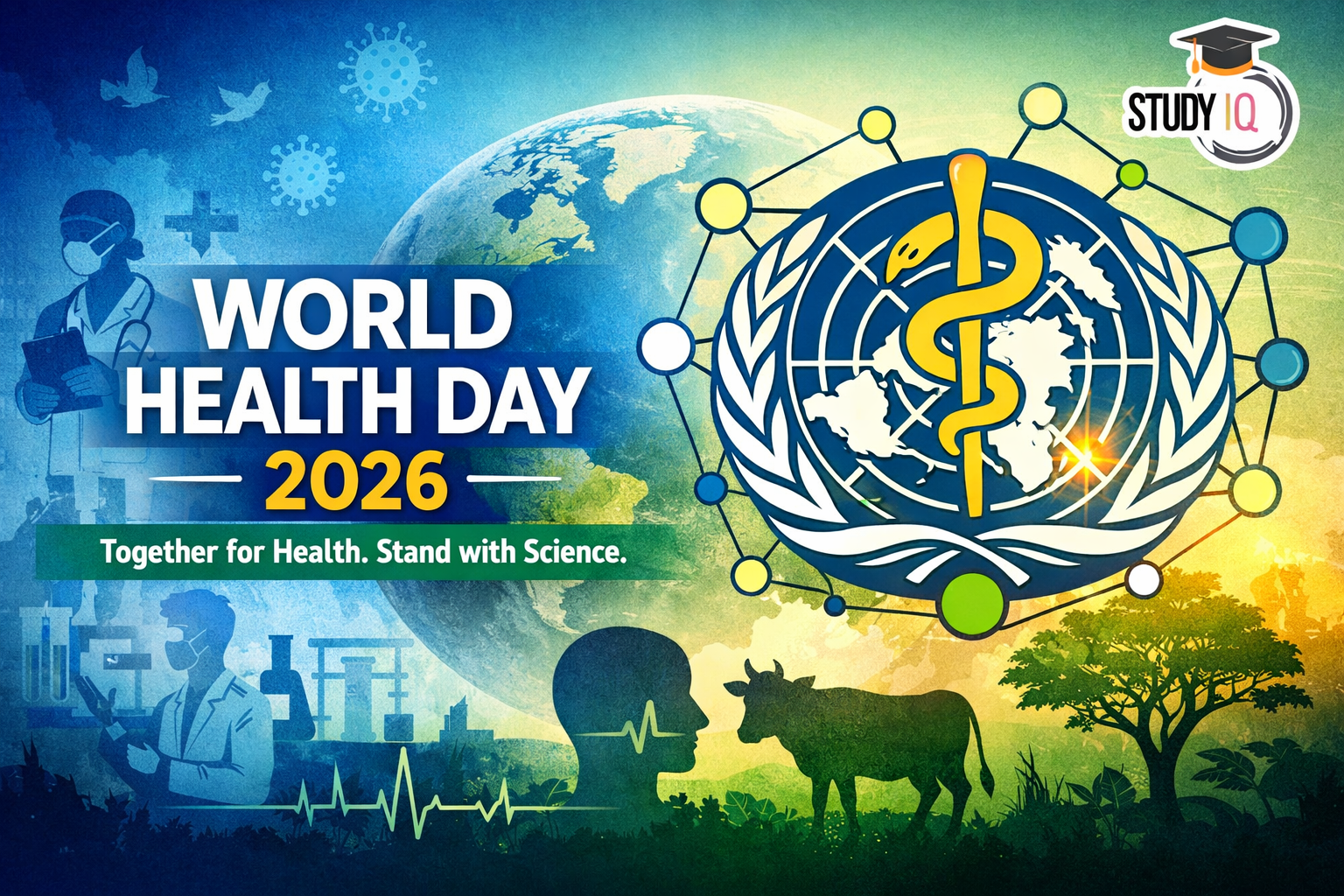
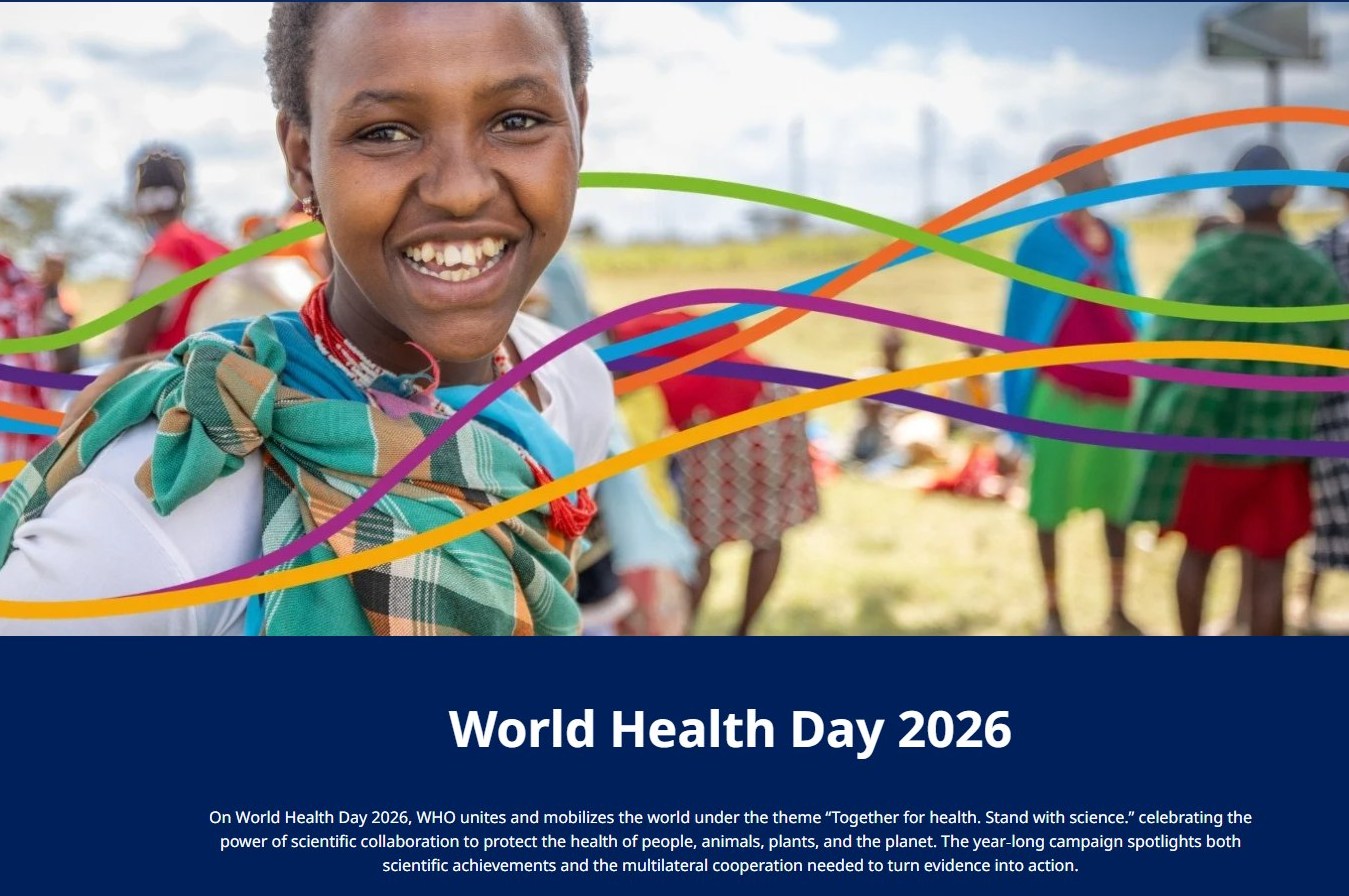
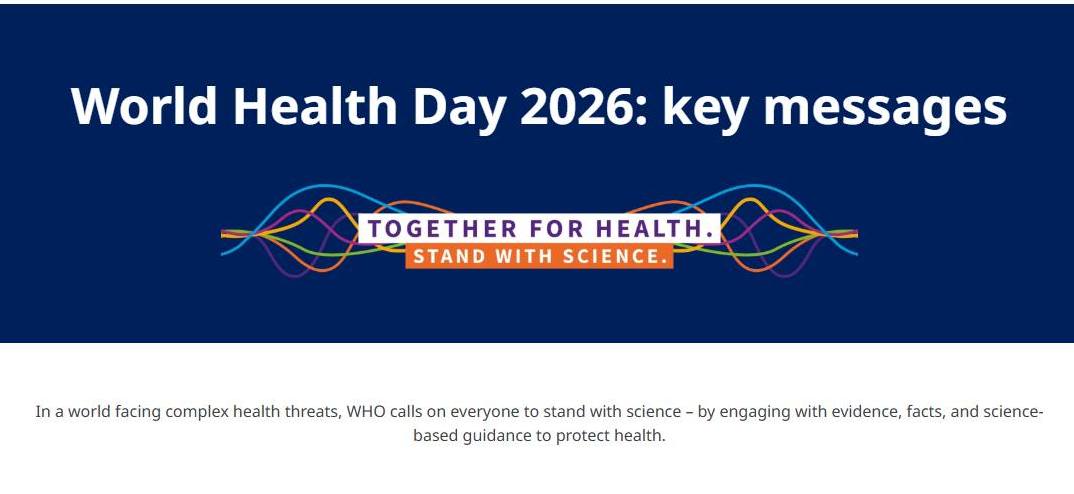
Theme: “Together for Health. Stand with Science.”
The World Health Day theme 2026 focuses on restoring trust in science and promoting collaborative healthcare solutions.
Focus on the One Health Approach
At the core of World Health Day 2026 lies the One Health approach, which recognizes that:
- Human health
- Animal health
- Environmental health
are deeply interconnected.
Core Objectives
- Combat health misinformation
- Strengthen evidence-based policymaking
- Promote scientific multilateralism
History of World Health Day
The origins of WHO World Health Day date back to the formation of WHO.
- 1945: Proposal for an international health body
- 1946: WHO Constitution signed
- 1948: WHO established (April 7)
- 1950: First official celebration
Today, World Health Day 2026 marks the 78th anniversary of WHO.
Why One Health Matters in 2026
The One Health approach is not just a concept—it is a necessity in today’s interconnected world.
Rising Global Risks
- 75% of emerging infectious diseases are zoonotic
- Climate change is altering disease patterns
- Deforestation increases human-animal interaction
Interconnected Reality
- Pollution affects respiratory health
- Animal diseases can trigger pandemics
- Environmental degradation impacts food security
Key Insight
The COVID-19 pandemic demonstrated that health crises are global, not local.
Significance for India
For India, World Health Day 2026 is highly relevant for governance, policy, and exam preparation.
Major Initiatives
- Ayushman Bharat Pradhan Mantri Jan Arogya Yojana (PM-JAY)
- ₹5 lakh coverage per family
- World’s largest public health insurance scheme
- Ayushman Bharat Digital Mission (ABDM)
- Digital health IDs (ABHA)
- Paperless healthcare ecosystem
- Health & Wellness Centres
- Focus on primary healthcare
UPSC Value Addition
- Linked to SDG 3: Good Health and Well-being
- Relevant for GS Paper II (Health Governance)
- Important for Essay & Ethics (Public health as a right)
Global Impact and WHO’s Role
The WHO plays a central role in shaping global health priorities.
Key Functions
- Disease surveillance and response
- Setting global health standards
- Coordinating international health programs
Global Campaigns
- Universal Health Coverage (UHC)
- Immunization drives
- Pandemic preparedness
World Health Day 2026 reinforces WHO’s mission of “Health for All.”
Key Challenges in Global Health
Despite progress, major challenges persist:
1. Health Inequality
- Unequal access between developed and developing nations
2. Misinformation
- Vaccine hesitancy due to fake information
3. Climate Change
- Increased vector-borne diseases
4. Weak Health Systems
- Lack of infrastructure in low-income regions
5. Antimicrobial Resistance
- Overuse of antibiotics reducing effectiveness
Conclusion: Towards “Health for All”
World Health Day 2026 is a reminder that health is not just a sector—it is the foundation of human development.
In an era of pandemics, climate crises, and misinformation, the message is clear:
Stand with science. Act together. Think globally.
Only by embracing the One Health approach can the world achieve a sustainable and equitable future.
 16th Finance Commission: Key Facts, Func...
 Species in News for UPSC Prelims 2026: C...
 Reassessing Transgender Rights in India:...











 WhatsApp





