Table of Contents
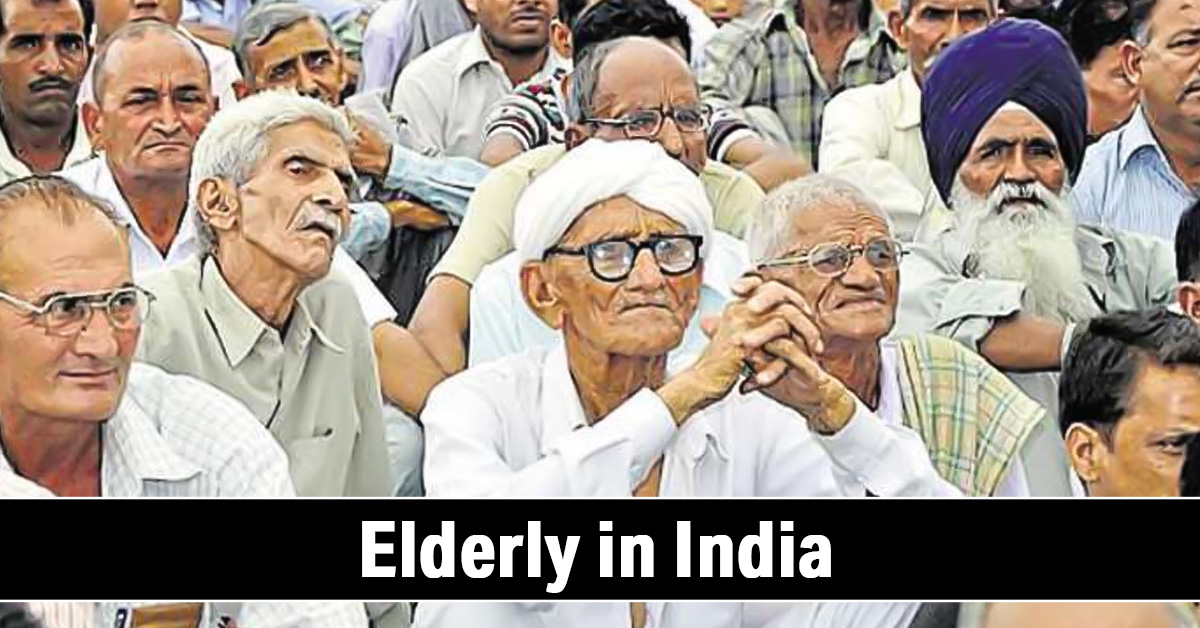
India is undergoing a major demographic transition — its elderly population (aged 60 and above) is projected to more than double from 100 million in 2011 to 230 million by 2036, accounting for nearly 15% of the total population.
By 2036, one in seven Indians will be a senior citizen, marking a significant shift in the nation’s age structure.
With rising life expectancy and declining fertility rates, the Government of India has launched multiple policies, programmes, and legal measures to ensure a dignified, healthy, and secure life for its elderly citizens.
The Importance of Elderly Welfare
Better nutrition, improved healthcare, and medical advancements have increased longevity in India. However, longer lives also bring challenges such as economic insecurity, isolation, and inadequate healthcare.
To address these challenges, India’s approach focuses on:
-
Family and community-based support systems
-
Social security and pension access
-
Healthcare and long-term insurance
-
Digital literacy and inclusion
-
Employment and entrepreneurship opportunities for senior citizens
These measures are crucial to building a ‘Silver Economy’ — an economy driven by goods and services that meet the needs of people aged 50 and above, while empowering them to contribute their skills and experience to society.
Elderly Population in India: Trends and Projections
Key Demographic Data
-
According to the Technical Group on Population Projections (TGPP, 2020), India’s elderly population will reach 230 million by 2036.
-
The Longitudinal Ageing Study of India (LASI) 2021 reveals that 12% of India’s population is elderly, growing at 3% per year, and projected to rise to 319 million by 2050.
-
The sex ratio among the elderly is 1,065 females per 1,000 males; women make up 58% of the elderly population, with 54% widows.
-
The dependency ratio is 62 dependents per 100 working-age individuals — a clear indicator of the economic impact of ageing.
Regional Patterns
-
Kerala will have the oldest population by 2036 — its elderly share expected to rise from 13% in 2011 to 23%.
-
Tamil Nadu, Himachal Pradesh, and Punjab already mirror ageing trends seen in developed countries.
-
Uttar Pradesh will see its elderly share increase from 7% to 12% by 2036, highlighting regional disparities in ageing.
Challenges Faced by the Elderly in India
| Category | Key Challenges |
|---|---|
| Health | Poor geriatric infrastructure, rising chronic illnesses, limited access in rural areas, stigma around mental health. |
| Economic | Inadequate pensions, high medical costs, limited savings, insufficient social security coverage. |
| Social | Decline of joint families, loneliness, neglect, lack of companionship. |
| Digital Divide | Limited access to digital devices, poor digital literacy, and affordability issues. |
| Infrastructure | Lack of age-friendly public spaces, transport barriers, and inadequate emergency response systems. |
Government Initiatives for Senior Citizens
The Ministry of Social Justice and Empowerment (MoSJE) is the nodal ministry for senior citizen welfare. It works with other ministries, states, NGOs, and the private sector to ensure care, dignity, and empowerment of India’s elderly population.
Below are the key schemes and initiatives:
1. Atal Pension Yojana (APY)
-
Launched in 2015 under the PFRDA, APY provides ₹1,000–₹5,000 monthly pension after 60 years of age.
-
As of October 2025, 8.27 crore subscribers and ₹49,000 crore AUM.
-
Ensures social security for unorganised workers and low-income earners.
2. Atal Vayo Abhyuday Yojana (AVYAY)
An umbrella scheme that ensures comprehensive welfare for senior citizens.
It includes:
-
Integrated Programme for Senior Citizens (IPSrC):
-
Provides grants to operate old-age homes, physiotherapy centres, and mobile Medicare units.
-
696 homes functional across 29 states and UTs.
-
-
Rashtriya Vayoshri Yojana (RVY):
-
Provides assistive devices (wheelchairs, walkers, hearing aids) to BPL elderly and those earning under ₹15,000/month.
-
3. National Helpline for Senior Citizens – “Elderline” (14567)
-
Toll-free helpline offering counselling, rescue, and welfare support for elderly citizens.
-
Launched on October 1, 2021 for nationwide assistance.
4. Senior Care Ageing Growth Engine (SAGE) Portal
-
Encourages startups and entrepreneurs to develop elderly care products and services.
-
Provides equity funding up to ₹1 crore via IFCI.
-
Promotes India’s silver economy through innovation and private participation.
5. Senior Able Citizens for Re-Employment in Dignity (SACRED) Portal
-
Digital job platform for citizens aged 60+, enabling work-from-home and part-time employment.
-
Promotes financial independence and social participation of senior citizens.
6. Geriatric Caregivers Training Programme
-
Builds a skilled workforce for elderly care.
-
In 2023–24, 32 institutes trained 36,785 caregivers under this programme.
7. Ayushman Bharat – Pradhan Mantri Jan Arogya Yojana (PM-JAY)
-
Provides ₹5 lakh annual healthcare coverage for hospitalisation and secondary/tertiary care.
-
In 2024, expanded to cover 6 crore senior citizens aged 70+, regardless of income.
8. Indira Gandhi National Old Age Pension Scheme (IGNOAPS)
-
Provides a monthly pension of ₹200 (60–79 years) and ₹500 (80+ years) to BPL senior citizens.
-
Over 2.21 crore beneficiaries as of October 2025.
9. National Programme for Health Care of the Elderly (NPHCE)
-
Launched in 2010-11, ensures comprehensive geriatric healthcare at all levels.
-
Now covers 713 districts, providing OPD, physiotherapy, and 10-bed geriatric wards.
10. Senior Citizens’ Welfare Fund (SCWF)
-
Created under the Finance Act, 2015.
-
Uses unclaimed funds from EPF, PPF, insurance, etc., to finance welfare schemes for senior citizens.
Technology and Elderly Welfare
India is integrating technology-driven solutions for senior citizen care:
-
e-Sanjeevani Telemedicine provides free home-based consultations.
-
Wearable devices (smartwatches, fitness bands) monitor vital signs and send alerts in emergencies.
-
Smart homes and sensors enable remote monitoring for safety.
-
Online pharmacies ensure medicine delivery and continuity of care.
Technology is fostering a connected, safe, and dignified ageing experience in India.
Legal and Social Support
Maintenance and Welfare of Parents and Senior Citizens Act, 2007 (Amendment 2019)
-
Legally obligates children and heirs to maintain parents and senior citizens.
-
Expands the definition of “children” to include adoptive, step, and in-laws.
-
Removes the ₹10,000 maintenance cap.
-
Mandates nodal police officers, district senior citizen units, and homecare services for physically or mentally challenged seniors.
-
Requires hospitals to provide dedicated queues and geriatric beds.
Intergenerational Bonding & Community Support
-
The NAITIK PATAM initiative, launched in 2025, promotes family bonding and moral values among children.
-
Encourages intergenerational respect and empathy through family-based activities.
Conclusion
India’s Silver Economy, valued at ₹73,000 crore in 2024, is projected to grow multi-fold. Senior citizens, along with professionals aged 45–64, form the wealthiest global age cohort.
To sustain this growth, India must:
-
Recognize senior care as a specialized sector with clear regulations.
-
Ensure public-private collaboration for elderly health, housing, and technology.
-
Strengthen Panchayati Raj and Urban Local Body participation for localized elderly care.
-
Build inclusive infrastructure and digital access for senior citizens.
The future of ageing in India lies in empowerment, not dependency — where every senior citizen can age with dignity, health, and purpose.
 US Treasury Yields at 25-Year High: Impa...
 National Coastal Mission 2.0 (NCM 2.0): ...
 New CAFE Norms 2027–32: Key Features, ...










 WhatsApp