Table of Contents
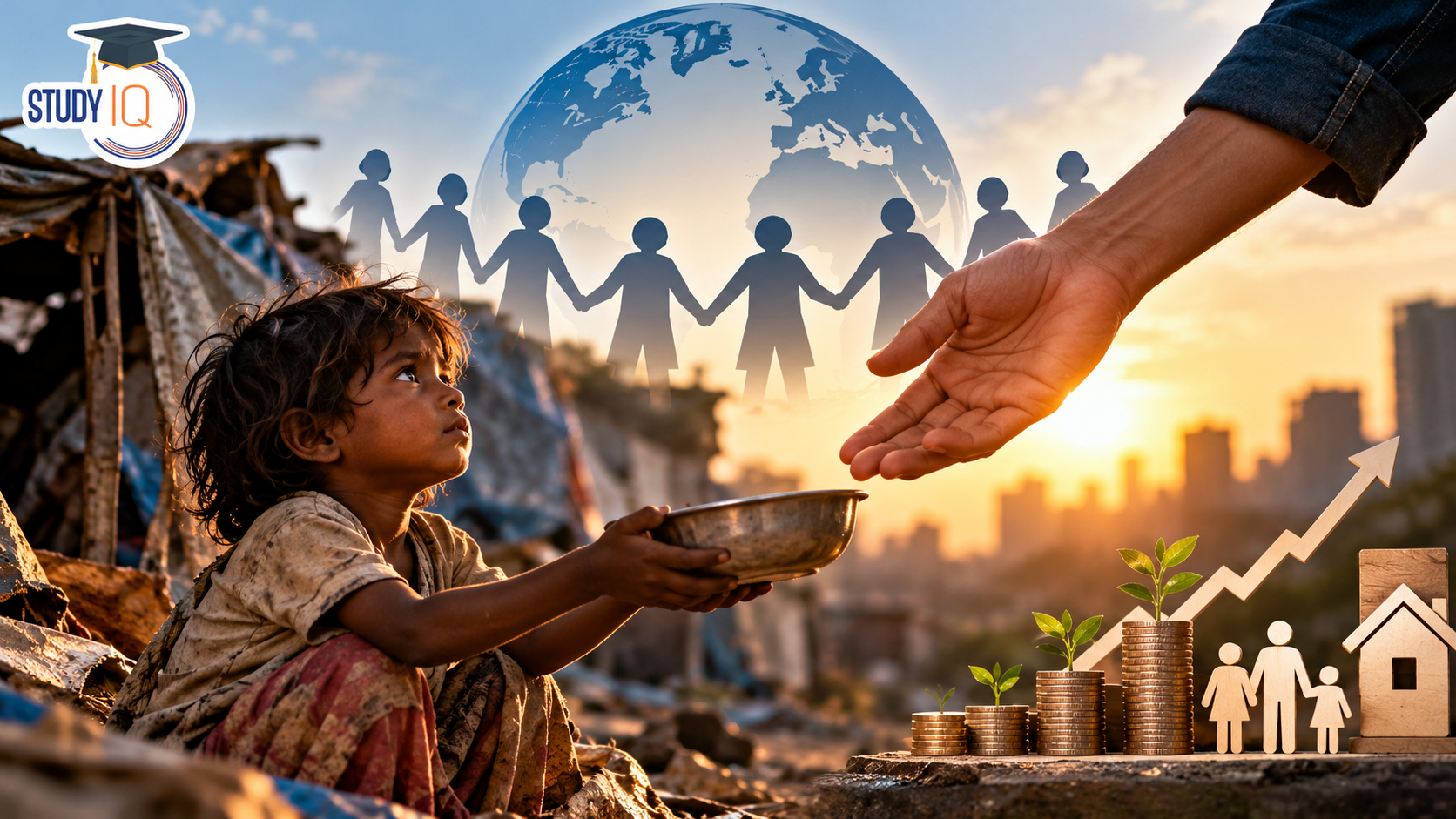
The International Day for the Eradication of Poverty 2026 is observed on 17 October 2026 to raise awareness about poverty, social exclusion, inequality and the need to protect human dignity. The day highlights the importance of ensuring that every individual has access to basic necessities, including adequate housing, education, healthcare, sanitation and employment opportunities.
The 2026 observance focuses on “Safe Homes for All,” under the broader theme “United for Peace and Human Rights” for 2026–2028, as stated in the provided announcement. It highlights the connection between adequate housing, human rights and poverty eradication.
For competitive examinations such as UPSC, SSC, banking and other government exams, this day is important from the perspective of international organisations, important days, the Sustainable Development Goals (SDGs) and social justice.
International Day for the Eradication of Poverty 2026: Key Highlights
| Particulars | Details |
|---|---|
| Name | International Day for the Eradication of Poverty |
| Date | 17 October 2026 |
| 2026 Theme | Safe Homes for All |
| Broader Theme | United for Peace and Human Rights (2026–2028) |
| Observed By | United Nations and its member states |
| First Historical Observance | 17 October 1987 |
| UN Declaration | 1992 |
| Official Observance Began | 1993 |
| Main Objective | Eradicate poverty, reduce inequality and protect human dignity |
| Relevant SDGs | SDG 1, SDG 10, SDG 11 and SDG 16 |
Theme of International Day for the Eradication of Poverty 2026
The reported theme for 2026 is “Safe Homes for All.” It emphasises the importance of secure, adequate and affordable housing in the fight against poverty.
Housing is more than simply having a roof over one’s head. A safe home provides stability, security, access to essential services and opportunities for personal development. In contrast, inadequate or unaffordable housing can make it harder for individuals and families to access education, healthcare, sanitation and employment.
According to the information provided in the announcement, more than 2.8 billion people worldwide experience some form of housing inadequacy. This highlights the scale of the global housing challenge and the need for effective policies that protect vulnerable communities.
What Does “Safe Homes for All” Mean?
The theme highlights three important priorities:
- Recognising housing as a human right: Governments should treat access to adequate housing as an essential component of a decent standard of living.
- Including affected communities in policymaking: People experiencing poverty and housing exclusion should participate in the development and evaluation of housing policies.
- Mobilising resources for affordable housing: Governments and other stakeholders should strengthen investment in safe, accessible and affordable housing, especially for vulnerable groups.
These priorities underline the relationship between housing security, social inclusion and sustainable development.
Why Is the International Day for the Eradication of Poverty Celebrated?
The day is observed to draw attention to the challenges faced by people living in poverty and to encourage collective action towards a more inclusive society.
Its major objectives include:
- Raising awareness: Highlight the causes and consequences of poverty across the world.
- Protecting human dignity: Promote respect for the rights and dignity of people experiencing poverty.
- Reducing inequality: Encourage policies that improve access to opportunities and essential services.
- Promoting social inclusion: Ensure that disadvantaged communities can participate in economic, social and political life.
- Strengthening global cooperation: Encourage governments, international organisations, civil society and communities to work together to eradicate poverty.
- Improving access to housing: Highlight the importance of safe and affordable homes in preventing social exclusion.
Poverty eradication requires more than financial assistance. It also involves addressing structural barriers that prevent people from accessing education, healthcare, decent employment and basic public services.
History of the International Day for the Eradication of Poverty
The origins of the International Day for the Eradication of Poverty date back to 17 October 1987, when approximately 100,000 people gathered at the Trocadéro in Paris, France.
The gathering paid tribute to people affected by poverty, hunger, violence and fear. It reaffirmed the principle that poverty represents a violation of human dignity and that collective action is essential to overcoming it.
A commemorative stone was unveiled to preserve the message of the gathering. Replicas of this memorial were subsequently installed in different parts of the world, including at United Nations Headquarters in New York.
In 1992, the United Nations General Assembly adopted Resolution 47/196, officially declaring 17 October as the International Day for the Eradication of Poverty.
The international observance began in 1993, encouraging countries and organisations to use the day to raise awareness, promote participation and strengthen efforts to eliminate poverty.
Significance of the International Day for the Eradication of Poverty
The day is significant because poverty is a multidimensional problem that affects access to basic rights, opportunities and a decent quality of life.
1. Promotes Human Rights and Dignity
People experiencing poverty often face discrimination, exclusion and limited access to essential services. The observance reinforces the principle that every person deserves dignity, equal treatment and opportunities to improve their living conditions.
2. Highlights the Importance of Adequate Housing
The 2026 theme draws attention to housing as a fundamental element of human well-being. Inadequate housing can expose people to unsafe living conditions, overcrowding, insecure tenure and unaffordable costs.
Access to a secure home can improve family stability and support better health, education and employment outcomes.
3. Encourages Inclusive Development
Economic growth alone does not guarantee the elimination of poverty. Development policies must also ensure that the benefits of growth reach disadvantaged communities, including women, children, older persons, persons with disabilities and people living in vulnerable conditions.
4. Supports Social Justice
The observance encourages governments to address unequal access to resources, public services and opportunities. It also promotes the meaningful participation of people experiencing poverty in decisions that affect their lives.
5. Strengthens International Cooperation
Poverty is a global challenge that requires coordinated action. Governments, international institutions, non-governmental organisations, businesses and local communities all have a role in developing sustainable solutions.
Relationship Between Poverty Eradication and the Sustainable Development Goals
The International Day for the Eradication of Poverty is closely connected with the United Nations 2030 Agenda for Sustainable Development, particularly the following Sustainable Development Goals.
| Sustainable Development Goal | Name | Connection with Poverty Eradication |
|---|---|---|
| SDG 1 | No Poverty | End poverty in all its forms everywhere. |
| SDG 10 | Reduced Inequalities | Reduce inequality within and among countries. |
| SDG 11 | Sustainable Cities and Communities | Promote inclusive, safe, resilient and sustainable settlements. |
| SDG 16 | Peace, Justice and Strong Institutions | Promote peaceful and inclusive societies, access to justice and accountable institutions. |
SDG 1: No Poverty
SDG 1 is the most directly related goal. It aims to eliminate poverty in all its forms, strengthen social protection systems and improve access to economic resources and essential services.
SDG 10: Reduced Inequalities
Reducing inequality helps ensure that people from disadvantaged backgrounds have fairer access to education, employment, housing and other opportunities.
SDG 11: Sustainable Cities and Communities
The 2026 housing focus is particularly relevant to SDG 11, which promotes adequate housing, inclusive urbanisation and sustainable human settlements.
SDG 16: Peace, Justice and Strong Institutions
Effective institutions, access to justice and inclusive decision-making can help protect the rights of vulnerable groups and support policies that address poverty and exclusion.
Poverty and Housing: Understanding the Connection
Housing insecurity and poverty can reinforce one another. Families spending a large proportion of their income on rent or housing costs may struggle to afford nutritious food, healthcare, education and transportation.
Similarly, people living in unsafe or overcrowded housing may face health risks, interrupted education and reduced access to employment opportunities.
Adequate housing policies can help address these challenges through:
- Affordable housing programmes.
- Improved access to clean drinking water and sanitation.
- Secure housing arrangements and protection against unlawful eviction.
- Better urban planning and basic infrastructure.
- Inclusive policies for low-income and marginalised communities.
- Greater participation of affected communities in housing decisions.
Addressing housing insecurity is therefore an important part of broader strategies to reduce poverty and improve living standards.
How Can Poverty Be Eradicated?
Eradicating poverty requires sustained efforts at local, national and international levels. Important measures include:
- Expanding social protection: Provide effective safety nets for vulnerable individuals and households.
- Promoting decent employment: Create productive jobs with fair wages and safe working conditions.
- Improving education: Ensure equitable access to quality education and skill development.
- Strengthening healthcare: Improve access to affordable and essential health services.
- Ensuring food and nutritional security: Address hunger and malnutrition among vulnerable populations.
- Providing affordable housing: Improve access to secure homes, clean water and sanitation.
- Reducing discrimination: Remove barriers that prevent disadvantaged groups from accessing opportunities.
- Encouraging community participation: Involve people affected by poverty in the design and implementation of public policies.
These measures can help tackle both the immediate effects and the underlying causes of poverty.

 World Food Day 2026: Strengthening Nutri...
 India’s Ramsar Sites Reach 103: Sukhna...
 Kigali Amendment to Montreal Protocol: O...













 WhatsApp