Home   »  

Monthly Archives: January 2025

Swami Vivekananda

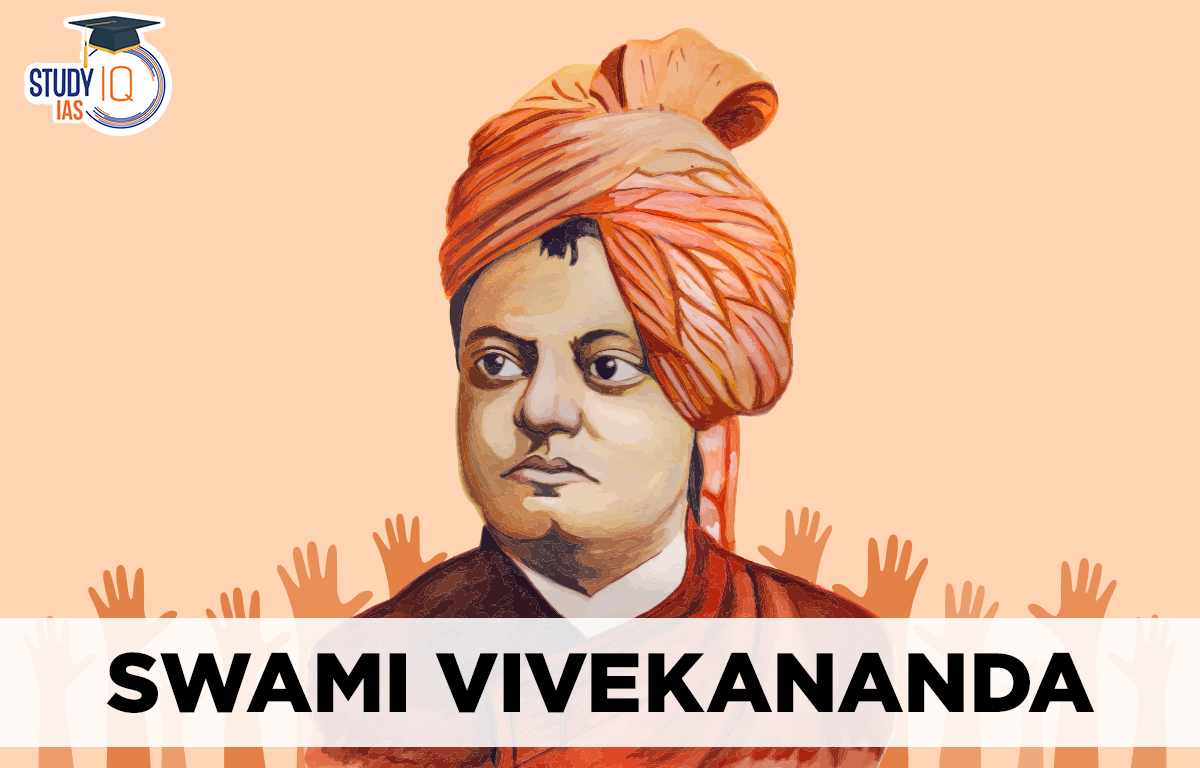
Swami Vivekananda Biography, Early Life, Education, Legacy and Death

Swami Vivekananda, born Narendranath Dutta on 12 January 1863, in Kolkata (then Calcutta), India, was a spiritual leader, philosopher, and a key figure in introducing Indian philosophies of Vedanta and Yoga to the Western world. His life and teachings continue to inspire millions globally, making him an enduring symbol of spiritual wisdom and social reform. …

January 2025 -_3.1

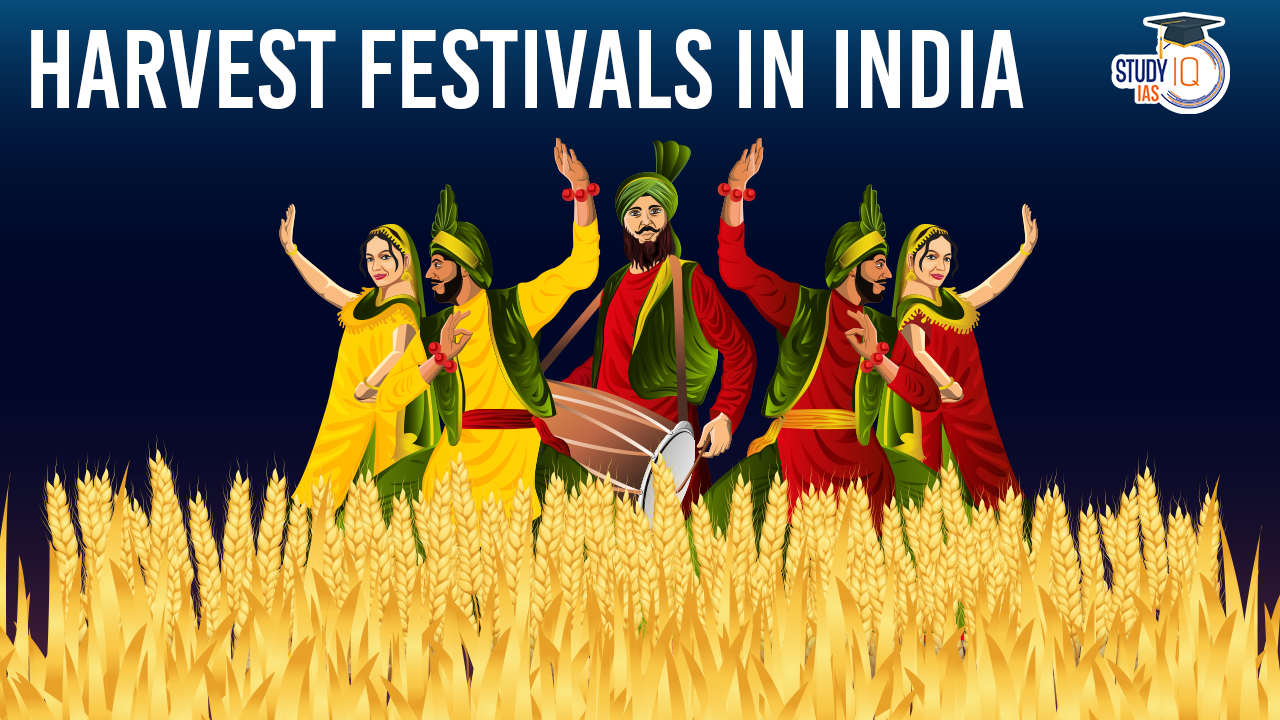
Harvest Festivals in India, List of Festivals and Significance

India, known for its diverse cultural heritage, celebrates numerous harvest festivals that reflect the country’s agricultural practices and regional traditions. These festivals mark the harvesting season, expressing gratitude towards nature and the hard work of farmers. Below is a comprehensive list of harvest festivals in India along with the states where they are celebrated and …

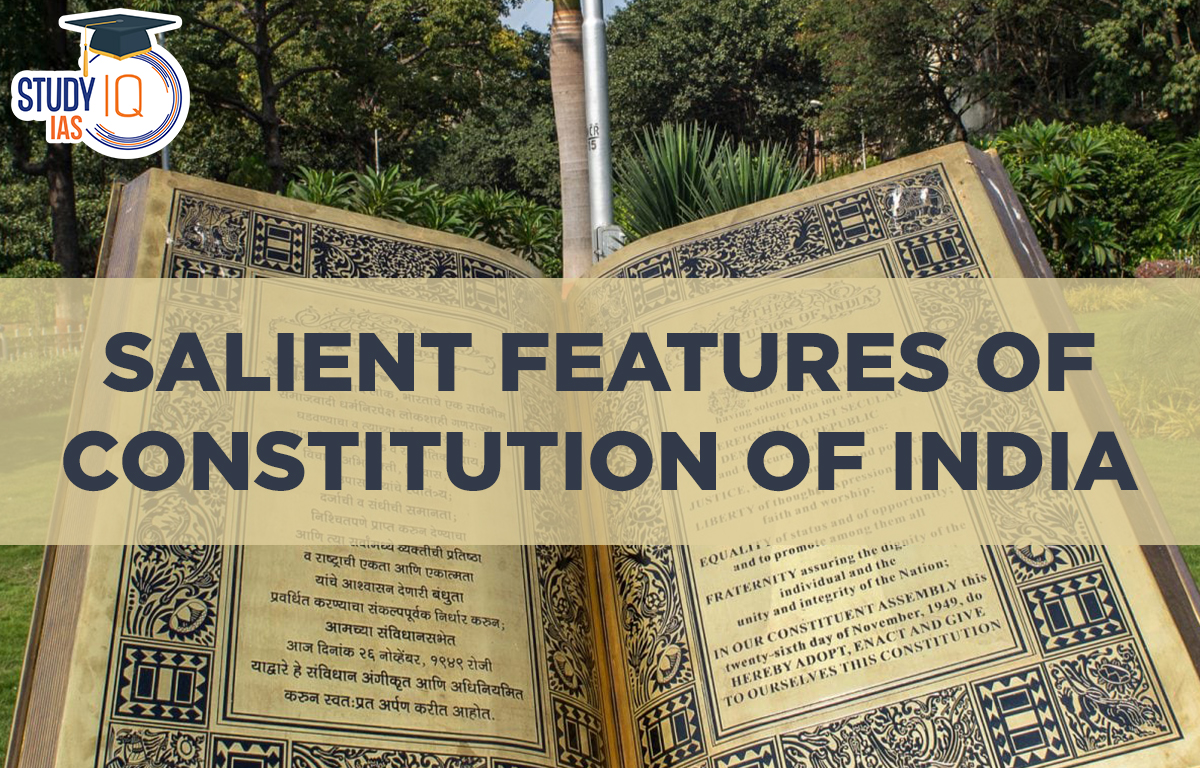
Salient Features of Constitution of India

Salient Features of Indian Constitution, Complete Details

The Constitution of India, adopted on January 26, 1950, is a comprehensive document that establishes the framework for governance in the country. Known for its length and depth, the Indian Constitution incorporates various features that make it a unique and dynamic legal framework. Below are the salient features of the Indian Constitution. Salient Features of …

January 2025 -_5.1

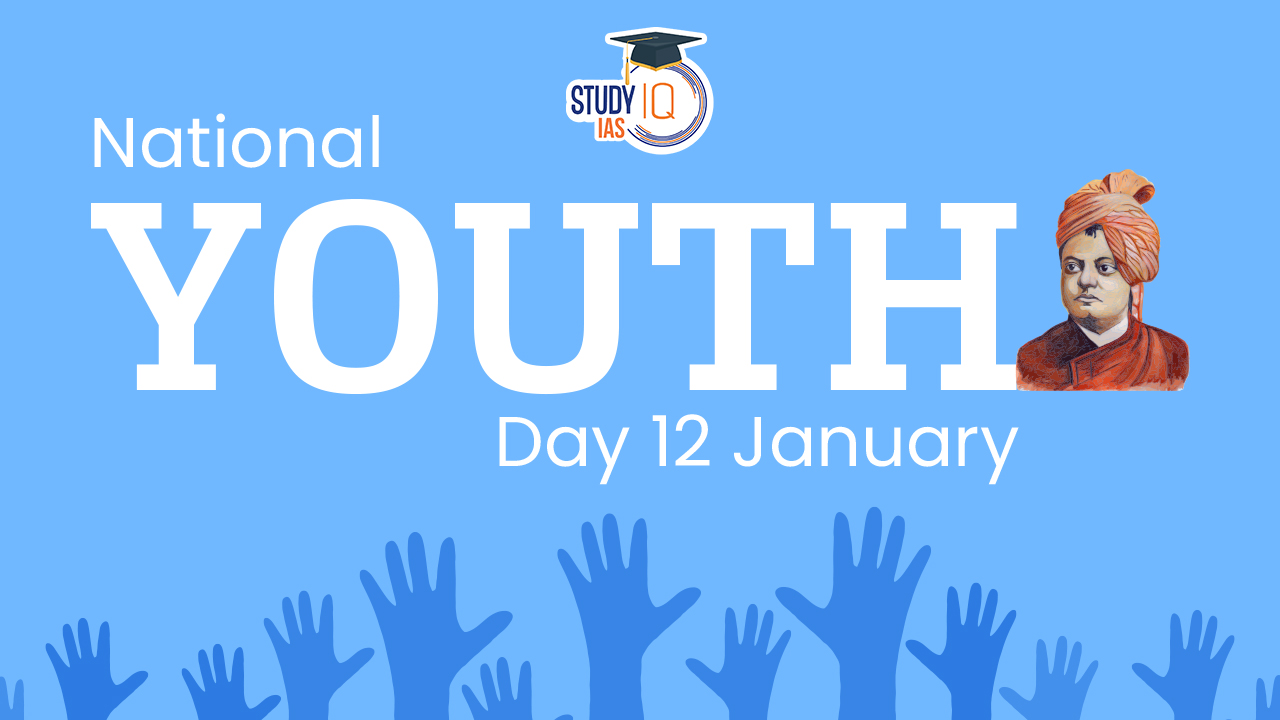
National Youth Day 2025 Celebrated Swami Vivekananda’s Birth Anniversary

National Youth Day in India is celebrated annually on January 12 to honour the teachings and ideals of Swami Vivekananda, the chief disciple of the 19th-century mystic Ramakrishna Paramhansa. Born on January 12, 1863, in Kolkata, Swami Vivekananda is renowned for his contributions to the revival of modern Hinduism and inspiring nationalist consciousness during colonial …

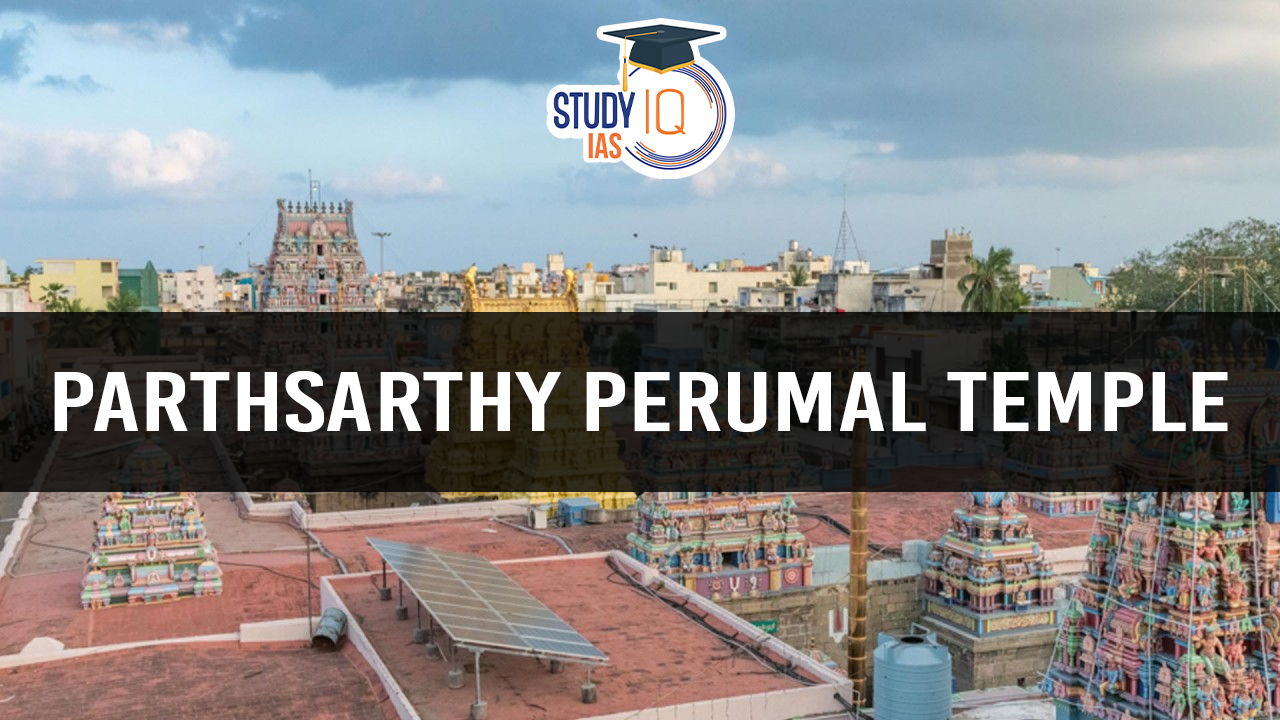
Parthsarthy Perumal Temple (blog)

Parthsarthy Perumal Temple, History and Significance

Parthsarthy Perumal Temple The Parthsarthy Perumal Temple is a renowned 6th-century Hindu Vaishnavite temple dedicated to Lord Vishnu, located in the heart of Triplicane, Chennai. With a rich history dating back to the Pallava dynasty, the temple has been a significant center of worship and cultural heritage for centuries. Historical Background The temple was originally …

January 2025 -_7.1

ICMR gets Low-Cost Tech to Detect Iron Deficiency – AnemiaPhone

AnemiaPhone AnemiaPhone is developed by Cornell University researchers to accurately, quickly and cheaply assess iron deficiency. It has been transferred to the Indian Council of Medical Research (ICMR) for integration into its programmes for anaemia alleviation, women’s health, and maternal and child health. Iron deficiency is a leading cause of anaemia, which affects 50% to …

January 2025 -_8.1

What are the UK’s Pakistani Grooming Gangs?

What Are the UK’s Pakistani Grooming Gangs? The term “Pakistani grooming gangs” refers to organized groups of predominantly Pakistani-origin men involved in the systematic exploitation, sexual abuse, and trafficking of young white girls in the UK. These gangs have been operating in various towns and cities across the country, often targeting vulnerable girls from disadvantaged …

Context ● External Affairs Minister S. Jaishankar has acknowledged challenges in providing dual citizenship but noted ongoing discussions about the issue. ● The government has considered expanding OCI benefits as a way to strengthen ties with the Indian diaspora without granting full dual citizenship. Constitutional Provisions: Articles 5 to 11 ● Article 5: Citizenship at the Commencement of the Constitution ○ People residing in India on 26th January 1950 were granted citizenship if they: ■ Were born in India, or ■ Had either parent born in India, or ■ Resided in India for at least five years immediately before the commencement of the Constitution. ● Article 6: Rights of Citizenship of Certain Persons Who Migrated to India from Pakistan ○ Migrants from Pakistan before 19th July 1948 could acquire Indian citizenship if they: ■ Had been residing in India since their migration, or ■ Registered themselves as citizens after having lived in India for at least six months before registration. ● Article 7: Rights of Citizenship of Certain Migrants to Pakistan ○ Those who migrated to Pakistan after 1st March 1947 but later returned to India under a permit for resettlement could become citizens through registration. ● Article 8: Rights of Citizenship of Indians Living Abroad ○ People of Indian origin residing outside India (in territories where their ancestors were born in India) could register as citizens with Indian diplomatic or consular offices. ● Article 9: No Dual Citizenship ○ Anyone voluntarily acquiring citizenship of another country would lose their Indian citizenship. ● Article 10: Continuance of Rights ○ Provisions of citizenship as provided by law shall continue unless altered by Parliament. ● Article 11: Power of Parliament ○ Empowers Parliament to make laws regarding the acquisition and termination of citizenship. Citizenship Act of 1955 The Citizenship Act of 1955, enacted by Parliament under Article 11, outlines the methods for acquiring and terminating citizenship in India. Modes of Acquiring Citizenship: ● By Birth: Born in India on or after 26th January 1950 but before 1st July 1987 – automatically a citizen. ○ Born between 1st July 1987 and 2nd December 2004 – a citizen if one parent is an Indian citizen. ○ Born on or after 3rd December 2004 – a citizen if one parent is an Indian citizen and the other is not an illegal migrant. ● By Descent: Born outside India to an Indian citizen parent, subject to registration with an Indian consulate within one year. ● By Registration: Granted to persons of Indian origin or those married to Indian citizens after fulfilling residence requirements. ● By Naturalization: Granted to a foreigner who has resided in India for at least 12 years and meets other conditions. ● By Incorporation of Territory: If a foreign territory becomes part of India, the government specifies the people who shall be citizens. Modes of Losing Citizenship ● By Renunciation: Voluntarily giving up Indian citizenship. ● By Termination: Automatically terminated if a citizen acquires foreign citizenship. ● By Deprivation: Government can revoke citizenship if obtained fraudulently or if the person acts against the country's interests. Types of Residents in India ● Citizen: Full political and civil rights under the Constitution, including voting, holding public office, and property rights. ○ Acquired through birth, descent, registration, naturalization, or incorporation of territory. ● Non-Resident Indian (NRI): Indian citizens residing abroad temporarily for education, employment, or other purposes. ○ Have Indian passports but limited rights (e.g., no voting rights while abroad). ● Persons of Indian Origin (PIO): Foreign citizens of Indian origin (up to four generations removed) who are not citizens of Pakistan, Bangladesh, or certain other countries. ○ Previously held PIO cards (now merged with OCI). ● Overseas Citizen of India (OCI): A status granted to foreign nationals of Indian origin. ○ Provides certain benefits like visa-free travel and property rights but excludes voting, holding public office, and certain government jobs. ● Foreigners: Non-citizens who are not of Indian origin and require visas to stay in India. ○ Subject to the Foreigners Act, 1946. ● Illegal Migrants: People who enter India without valid travel documents or remain beyond their visa period. ○ Governed by the Citizenship Amendment Act, 2019, in some cases, and are generally subject to deportation. Amendment ● CAA 2019 (Citizenship Amendment Act): Provides a pathway to citizenship for persecuted minorities (Hindus, Sikhs, Buddhists, Jains, Parsis, and Christians) from Pakistan, Bangladesh, and Afghanistan who arrived in India before 31st December 2014. ○ It also said people holding Overseas Citizen of India (OCI) cards - an immigration status permitting a foreign citizen of Indian origin to live and work in India indefinitely - can lose their status if they violate local laws for major and minor offences and violations. Asian Countries That Allow Dual Citizenship ● Cambodia: Dual citizenship is permitted through investment, naturalization, descent, or marriage. Citizens can possess multiple passports without renouncing their original citizenship. ● Bangladesh: Allows individuals to retain Bangladeshi citizenship while holding citizenship from other countries. Dual citizenship can be acquired through investment, marriage, or naturalization. ● Sri Lanka: Offers dual citizenship to those who have given away their Sri Lankan citizenship by obtaining another nationality, or those seeking to gain citizenship from abroad, are eligible to submit an application for dual citizenship. ○ The eligibility criteria for acquiring citizenship include factors, such as employment, property ownership, investment, or marriage to a Sri Lankan citizen. ● Thailand: Dual citizenship is allowed for foreigners meeting criteria such as permanent residency, employment, and marriage to Thai nationals. ● Taiwan: Permits dual citizenship for native-born citizens and foreign nationals with extraordinary skills in education, science, or technology. ● Hong Kong: Provides pathways for residency and potential citizenship through schemes like the Quality Migrant Admission Scheme (QMAS) and investment opportunities. ● Pakistan: Allows dual citizenship with 19 specific countries, including the United States, the UK, Canada, and Australia. ● Philippines: Dual nationality is allowed for Filipino-born individuals, those of Filipino descent, and those born to Filipino parents outside the country. Arguments in Favor of Dual Citizenship ● Strengthening Diaspora Ties: Dual citizenship could deepen emotional and cultural ties with the Indian diaspora, encouraging them to contribute to India's development and global influence. ● Economic Contributions: The diaspora could play a larger role in investments, technology transfer, and business collaborations, boosting India's economy. ● Global Mobility and Flexibility: Granting dual citizenship may help Indian-origin individuals living abroad retain stronger links with their heritage without giving up opportunities in their adopted countries. ● Soft Power Enhancement: A robust diaspora with dual citizenship could act as informal ambassadors, strengthening India's diplomatic and trade relations. ● Precedents in Other Countries: Several countries, like the U.S. and the U.K., allow dual citizenship without significant issues. Adopting this approach might align India with global practices. Arguments Against Dual Citizenship ● Divided Loyalties: Dual citizenship could lead to conflicting political loyalties, particularly during international disputes involving India and the other nation. ● Erosion of Sovereignty: Allowing dual citizens to vote and influence policymaking may give individuals with foreign loyalties a say in India's internal matters, threatening national sovereignty. ● Administrative and Legal Complexities: Managing dual citizenship would introduce challenges in areas like taxation, legal disputes, and law enforcement, especially if conflicts arise between the two countries' laws. ● Security Risks: Dual citizens could exploit their status for espionage, illegal financial activities, or other actions harmful to India’s interests. ● Unequal Treatment: The privileges of dual citizenship could disproportionately favor wealthier and well-placed diaspora communities, leading to socio-economic imbalances. ● Political Manipulation: There is a risk of foreign influence on India’s political processes, especially if dual citizens are allowed to vote or hold public office.

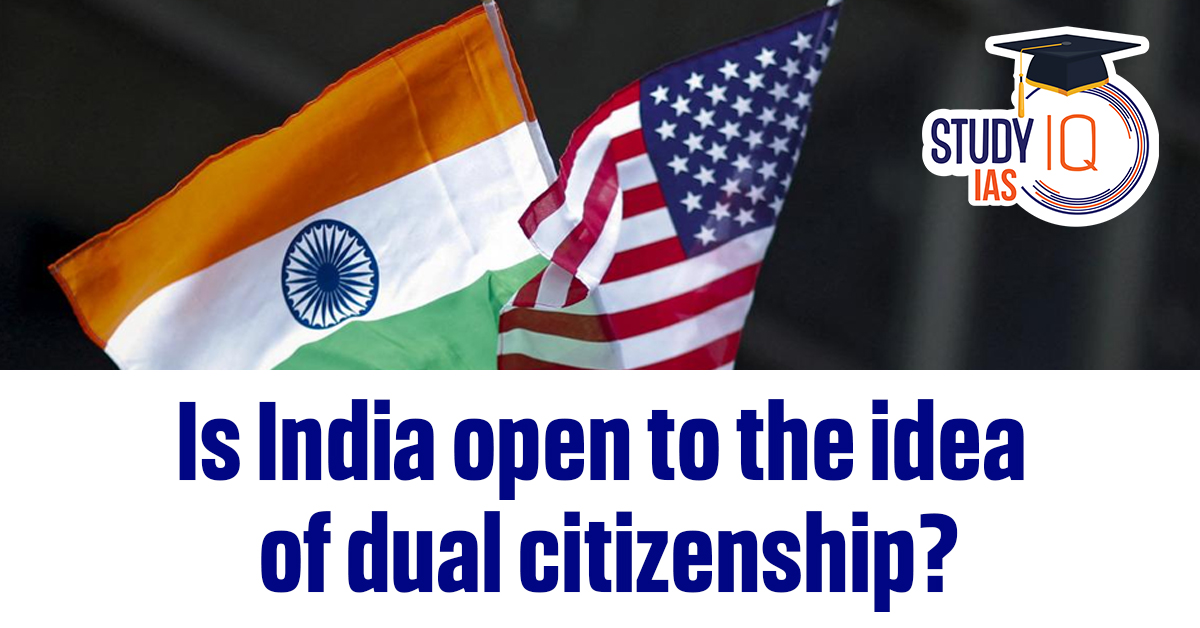
Is India Open to the Idea of Dual Citizenship?

Context: External Affairs Minister S. Jaishankar has acknowledged challenges in providing dual citizenship but noted ongoing discussions about the issue. The government has considered expanding OCI benefits as a way to strengthen ties with the Indian diaspora without granting full dual citizenship. Constitutional Provisions: Articles 5 to 11 Article 5: Citizenship at the Commencement of …

Sudden Cardiac Deaths in Athletes

Sudden Cardiac Deaths in Athletes

Context: A study into the benefits of pre-participation medical evaluation (PPME) demonstrated a drop in the incidence of SCD by 90% in young athletes from 3.6/100,000 person-years to 0.4/100,000 person-years. About Sudden Cardiac Death Sudden, unexpected death due to cardiac causes or unexplained death in a structurally normal heart. It usually results from Sudden Cardiac …