
Table of Contents
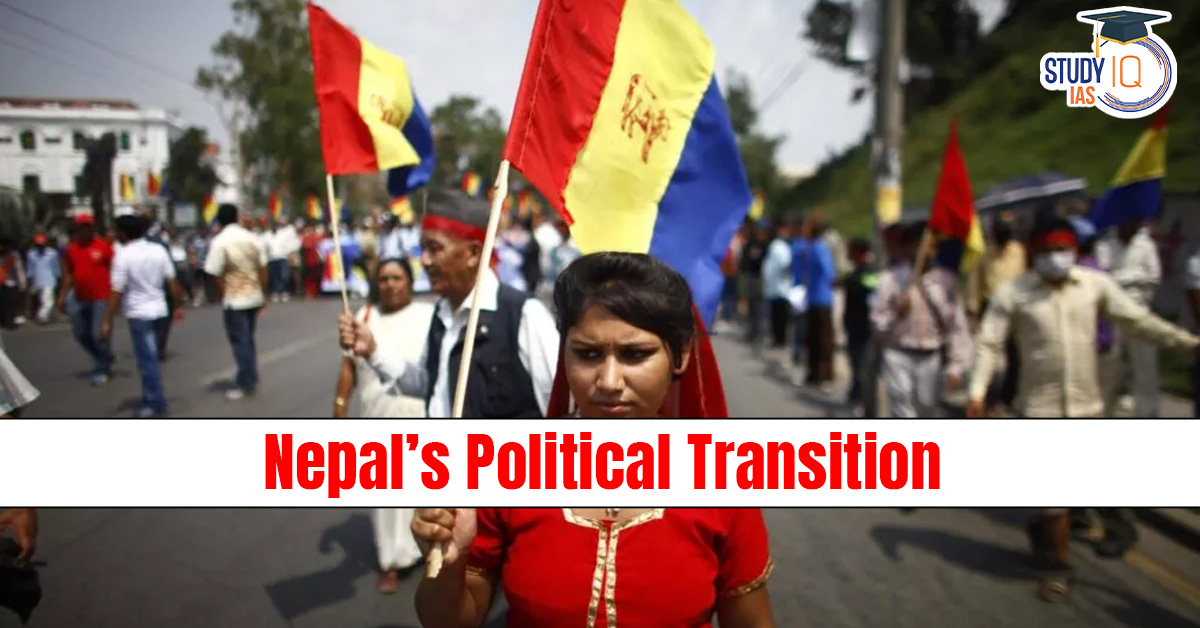
Context: Historic Electoral Shift in Nepal: The 2026 parliamentary elections brought a decisive victory for Balendra Shah and the Rastriya Swatantra Party (RSP), marking a major shift away from Nepal’s traditional political elites.
Current Political Shift in Nepal
- Rise of New Political Leadership: Balendra Shah (Balen), a former Kathmandu Mayor and independent reformist figure, emerged as a national leader representing anti-establishment and governance reform politics.
- Collapse of Traditional Parties: Long-dominant parties such as the Nepali Congress and communist factions (CPN-UML, Maoists) suffered electoral setbacks as voters rejected decades of political instability, corruption and elite politics.
- Youth-Driven Political Mandate: With Nepal’s median age around 25, the election reflected Gen-Z driven political mobilisation demanding better governance, jobs and transparency.
- Technocratic and Reformist Image: Shah’s campaign emphasised clean governance, administrative reforms and nationalism, appealing to voters frustrated with entrenched political structures.
- Shift from Ideological Politics: Traditional alignment patterns — Nepali Congress leaning toward India and communist parties toward China — may weaken as the new leadership adopts a more pragmatic and nationalist foreign policy.
Challenges to the New Leadership in Nepal
- Managing High Public Expectations: The government faces pressure to deliver employment opportunities, economic growth and governance reforms after decades of political stagnation.
- Economic Vulnerability: Nepal’s economy remains heavily dependent on remittances, foreign aid and migrant labour, limiting policy flexibility.
- Youth Migration Crisis: Millions of Nepali youth continue to migrate abroad for employment, highlighting the domestic job creation challenge.
- Governance and Institutional Reform: The new leadership must tackle corruption, bureaucratic inefficiency and weak state institutions.
- Balancing Major Powers: Nepal must navigate a delicate geopolitical balance between India (the largest economic partner) and China (a major infrastructure investor).
- Strategic Infrastructure Concerns: Projects such as Pokhara International Airport, financed by China, remain underutilised and politically sensitive.
- West Asia Crisis Impact: With millions of Nepali migrant workers in the Gulf, the West Asia conflict threatens remittance flows and energy security.
- Diplomatic Inexperience: Shah’s leadership has limited experience in conventional diplomacy, posing challenges in managing complex foreign relations.
Opportunity for India
- Renewal of India–Nepal Relations: The political transition provides a chance to reset bilateral ties based on mutual respect and development cooperation.
- Leveraging Development Partnerships: India remains Nepal’s largest trading partner, major energy supplier and key infrastructure partner, particularly in hydropower and connectivity projects.
- Hydropower Cooperation Potential: Nepal’s hydropower exports to India could expand significantly, creating a mutually beneficial energy partnership.
- People-to-People Connectivity: The open border and ‘Roti-Beti’ cultural ties provide a strong foundation for strengthening bilateral relations.
- Regional Connectivity and Growth: India and Nepal can jointly pursue sub-regional economic integration through initiatives such as BBIN (Bangladesh-Bhutan-India-Nepal).
- Strategic Stability in the Himalayas: Strengthening cooperation can help maintain regional stability amid growing Chinese infrastructure presence in Nepal.
- Learning from Past Frictions: India can move beyond the negative perception created by the 2015 blockade episode, adopting a non-intrusive and partnership-based approach.
|
Read More Notes |
|
| Environment Notes | Art and Culture Notes |
| Science and Tech | History Notes |
| Geography Notes | Indian Polity Notes |
| General Knowledge | International Relation |
|
Explore StudyIQ Courses |
|

 Sudan and South Sudan Conflict, Origins,...
 India Lockdown 2026: Is Another Lockdown...
 Investment Facilitation for Development ...













 WhatsApp





