
Table of Contents
Nitrofurans are a class of synthetic broad-spectrum antibiotics that have been used in medicine since the 1940s and 1950s. Characterized by a furan ring with a nitro group, these compounds are effective against a range of bacterial infections. While some nitrofurans remain valuable in human medicine—particularly for treating urinary tract infections (UTIs)—many have been banned in food-producing animals due to potential health risks. In this comprehensive guide, we’ll explore what nitrofurans are, how they work, their medical uses, side effects, and important safety considerations.
What Are Nitrofurans?
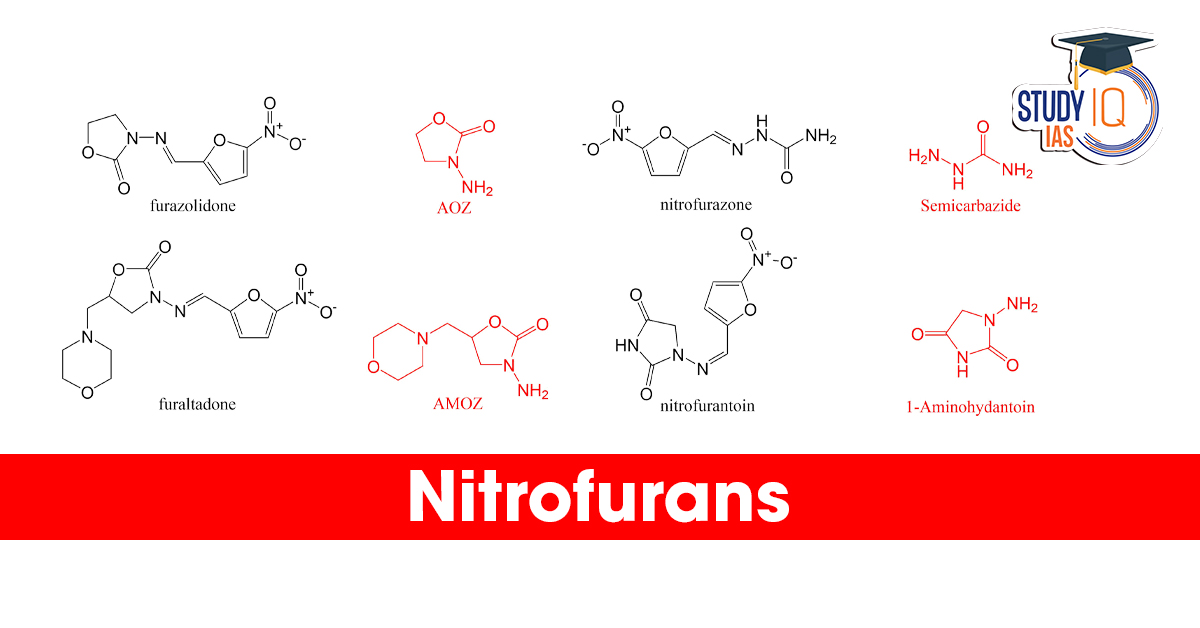
Nitrofurans are antimicrobial drugs defined by their core structure: a five-membered furan ring attached to a nitro group (-NO₂). This nitro group is key to their antibacterial activity.
Common nitrofuran drugs include:
- Nitrofurantoin → Widely used for UTIs.
- Nitrofurazone (nitrofural) → Primarily topical for skin infections.
- Furazolidone → For bacterial diarrhea and certain parasitic infections.
- Other examples → Furaltadone, nifurtimox (used for Chagas disease in some regions).
These structures allow nitrofurans to target both Gram-positive and Gram-negative bacteria, as well as some protozoa.
How Do Nitrofurans Work? Mechanism of Action
Nitrofurans act as prodrugs, meaning they become active inside bacterial cells. Bacterial enzymes called nitroreductases reduce the nitro group, producing reactive intermediates (such as nitroso and hydroxylamino derivatives). These intermediates damage bacterial DNA, inhibit protein and RNA synthesis, disrupt cell wall formation, and interfere with metabolic processes like carbohydrate metabolism.
This multi-target approach makes resistance development rare compared to many modern antibiotics, which is why nitrofurans remain effective against some multidrug-resistant strains.
Common Uses of Nitrofurans in Medicine
Today, nitrofurans are primarily used in human medicine for specific infections:
- Nitrofurantoin — First-line treatment for uncomplicated lower UTIs (e.g., cystitis). It’s concentrated in urine, making it ideal for bladder infections but not for kidney infections (pyelonephritis).
- Nitrofurazone — Topical applications for burns, skin grafts, wounds, and preventing catheter-associated UTIs.
- Furazolidone — Bacterial diarrhea, giardiasis, and sometimes in combination therapy for Helicobacter pylori.
Nitrofurantoin, often sold as Macrobid, is on the World Health Organization’s List of Essential Medicines and remains a go-to option amid rising antibiotic resistance.
Risks, Side Effects, and Regulatory Bans
While effective, nitrofurans carry risks:
- Common side effects — Nausea, headache, loss of appetite, and gastrointestinal upset.
- Serious risks — Pulmonary toxicity (rare but serious lung reactions), neuropathy (nerve damage), and hypersensitivity reactions.
A major concern is carcinogenicity. Animal studies show that nitrofurans and their metabolites can cause tumors and genetic mutations. As a result:
- The European Union banned nitrofurans in food-producing animals in 1995.
- The US FDA withdrew approvals for systemic use in livestock by 2002.
- Many countries (including China, Australia, and India) prohibit them in poultry, aquaculture, and livestock due to persistent residues in meat, eggs, and seafood.
These metabolites (e.g., AOZ from furazolidone, SEM from nitrofurazone) are stable and detectable long after treatment, posing potential long-term health risks to consumers.
Recent concerns (as of 2025) include traces found in some food products, prompting testing mandates in places like India for eggs and poultry.
Why Nitrofurans Are Still Relevant Today
Despite restrictions in veterinary use, nitrofurans like nitrofurantoin are experiencing a “revival” in human medicine. With antibiotic resistance on the rise, their low resistance rates and effectiveness against common UTI pathogens make them valuable. Research continues into new nitrofuran derivatives for multidrug-resistant infections.
Conclusion: Are Nitrofurans Safe?
For prescribed medical use under a doctor’s guidance—especially nitrofurantoin for UTIs—nitrofurans are generally safe and effective. However, their use in food animals is strictly regulated or banned worldwide due to carcinogenicity concerns. Always consult a healthcare professional for personalized advice, and be aware of food safety guidelines in your region.
 Mahad Satyagraha 1927, History and Signi...
 Punjab–Rajasthan River Dispute: Raviâ€...
 Approved List of Models and Manufacturer...











 WhatsApp





