
Table of Contents
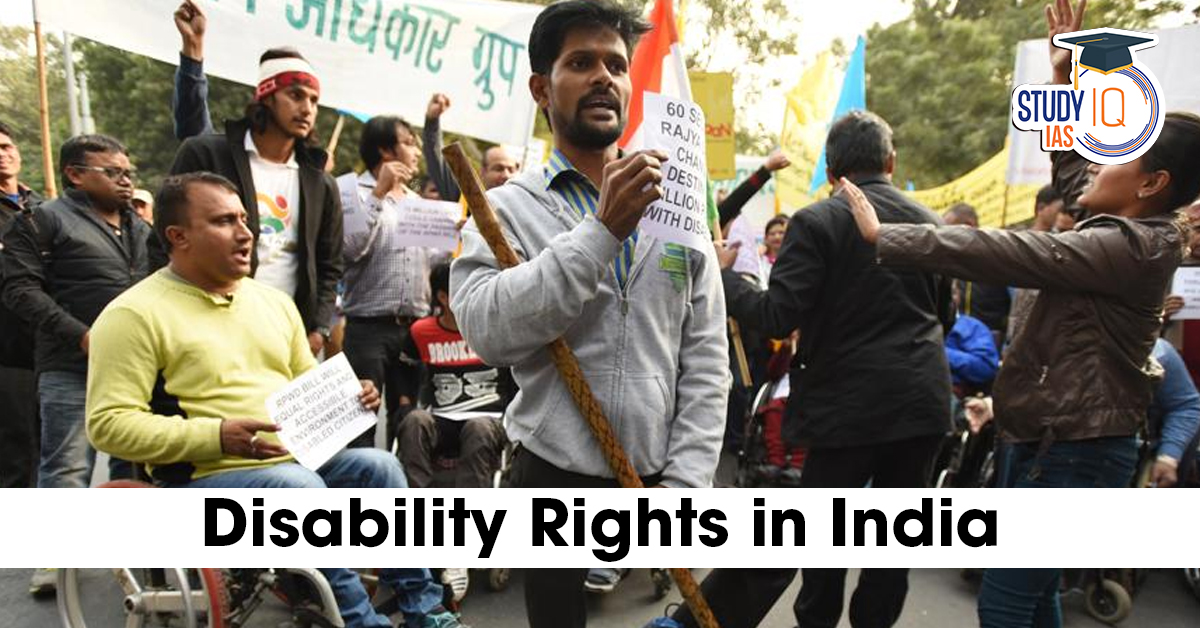
As the world celebrates the International Day of Persons with Disabilities on December 3, 2025, India stands at a turning point in its journey towards genuine inclusion for over 2.68 crore persons with disabilities (PwDs) — a number that has likely crossed 3.5 crore with better awareness and reporting. The Rights of Persons with Disabilities (RPwD) Act, 2016 remains the bedrock of this movement, expanding recognized disabilities from 7 to 21 categories and guaranteeing 4% reservation in government jobs. Yet, recent Supreme Court rulings on scribe access, haemophilia inclusion, and strict enforcement of accessibility standards show both remarkable progress and the long road still ahead. This comprehensive guide covers everything you need to know about disability rights in India in 2025.
What Are Disability Rights in India?
Disability rights mean ensuring every person with disability enjoys dignity, equality, and full participation in society — from education and employment to healthcare and public spaces. Anchored in the UN Convention on the Rights of Persons with Disabilities (UNCRPD) that India ratified in 2007, these rights are now strongly protected by the RPwD Act, 2016, which replaced the outdated 1995 law.
Key features of the RPwD Act:
- Recognizes 21 types of disabilities (including acid attack survivors, dwarfism, thalassemia, autism spectrum, intellectual disabilities, etc.)
- Mandates 4% reservation in government jobs and education (up from 3%)
- Requires reasonable accommodation — ramps, braille, sign language interpreters, scribes
- Strong anti-discrimination provisions and penalties for violations
Current Status at a Glance (2025)
| Indicator | Status (2025) |
|---|---|
| Estimated PwD Population | ~3.5 crore (from 2.68 crore in 2011) |
| Recognized Disabilities | 21 (RPwD Act) |
| UDID Cards Issued | Over 1.2 crore |
| Government Job Quota | 4% (actual utilization ~1%) |
| Accessibility Compliance | ~50% public buildings; rising fines |
Why Disability Rights Matter for India’s Growth
Inclusion is not charity — it’s smart economics and constitutional duty:
- PwDs can add 1–2% to India’s GDP if given accessible education and workplaces
- Breaks the vicious poverty–disability cycle (80% PwDs from low-income families)
- Fulfills Articles 14, 15, 21, and 41 of the Constitution
- Meets India’s international commitments under UNCRPD and SDGs
Major Challenges Faced by PwDs in 2025
Despite strong laws, ground reality lags:
- Physical & Digital Inaccessibility Many public buildings, buses, websites, and apps remain unusable; hundreds of organizations fined in 2025 for non-compliance
- High Financial Burden Costly assistive devices, therapies, and medicines push families into debt
- Employment Barriers Only ~1% of the 4% quota actually filled; private sector largely exempt
- Low Awareness & Outreach Rural women, SC/ST PwDs, and remote communities unaware of schemes
- Justice System Gaps Courts often lack ramps, interpreters, or disability-friendly procedures
Key Government Initiatives & Schemes (2025 Updates)
India has built a strong ecosystem of laws and programs:
| Initiative/Scheme | Focus Area | 2025 Highlights |
|---|---|---|
| RPwD Act, 2016 | Legal Rights & Reservations | SC rulings on scribe access & haemophilia inclusion |
| Sugamya Bharat Abhiyan | Universal Accessibility | Upgraded grievance app; Purple Fest & Divya Kala Melas |
| Unique Disability ID (UDID) | National Database & Benefits | 1.2+ crore cards; linked to schemes & banking |
| ADIP Scheme | Assistive Devices | Modern aids, cochlear implants, motorised tricycles |
| SIPDA (2021–26) | Comprehensive Support | ₹1,332 crore for awareness, audits, training |
| National Trust Schemes | Autism, CP, Intellectual Disabilities | Community-based care & guardianship programs |
Recent Milestones (2025)
- Supreme Court allows scribes for all PwDs in exams (Feb)
- Over 150 organizations fined for digital inaccessibility
- Push to include rare blood disorders explicitly under RPwD benefits
- Upgraded Sugamya Bharat app with real-time grievance mapping
- Integration of UDID with PM-DAKSH for skill training
The Way Forward: Building a Truly Inclusive India
To achieve full inclusion by 2030:
- Strict Enforcement — Regular accessibility audits and heavier penalties
- Health Financing — Include assistive devices and therapies in Ayushman Bharat
- 100% Digital Compliance — All government and private websites/apps fully accessible
- Private Sector Quotas — Incentivize or mandate inclusion via CSR/tax benefits
- Mass Awareness — Multilingual campaigns targeting rural and marginalized PwDs
- Disability-Friendly Justice — Ramps, interpreters, and priority hearings in courts
Conclusion
India in 2025 has one of the world’s most progressive disability laws on paper. The real challenge — and opportunity — lies in implementation. With stronger enforcement, better financing, and genuine political will, India can transform from a nation with disability welfare schemes to a truly barrier-free, inclusive society where every person with disability lives with dignity, independence, and equal opportunity.
 Mascots for Census 2027 in India: Theme,...
 The Legality of The U.S.-Israel Strikes ...
 Gravity Bombs Explained: Types, Features...









 WhatsApp





