Table of Contents
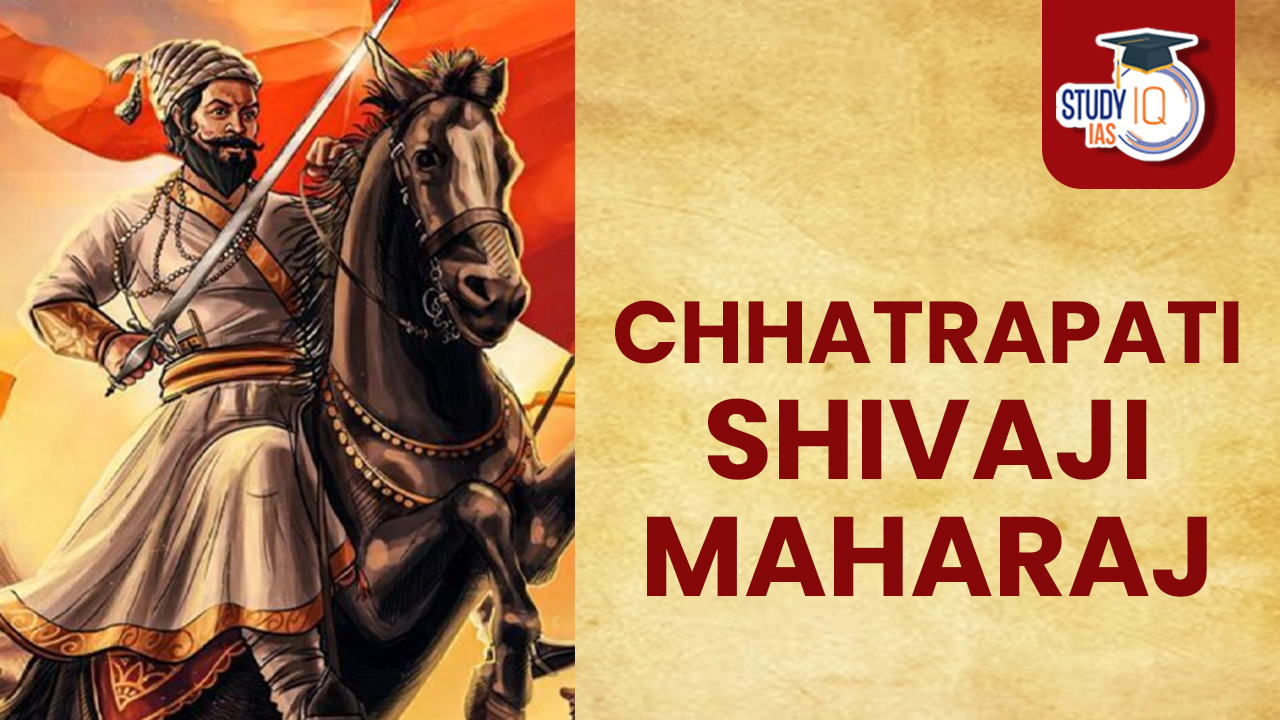
Chhatrapati Shivaji Maharaj Jayanti is the birthday anniversary celebrated yearly, commemorating the legendary Maratha warlord and creator of the Maratha Empire, Chhatrapati Shivaji Maharaj. It is celebrated with great reverence and patriotism, primarily in Maharashtra, where Shivaji Maharaj is believed to be the hero who defended India against foreign invasion and created an autonomous kingdom on the ideals of Swarajya (self-ruling), equality, and upright governance.
Chhatrapati Shivaji Maharaj Jayanti 2026
Chhatrapati Shivaji Maharaj Jayanti 2026 will be observed on 19 February 2026 (Thursday) across India, especially in Maharashtra, with great pride and devotion. The day commemorates the birth anniversary of Chhatrapati Shivaji Maharaj, the founder of the Maratha Empire and one of the greatest warrior kings in Indian history.
Shivaji Maharaj Jayanti is not just a celebration of a historical figure but a tribute to the ideals of Swarajya (self-rule), courage, justice, and visionary leadership. His life continues to inspire millions across generations.
Chhatrapati Shivaji Maharaj Biography
Chhatrapati Shivaji Maharaj founded the Maratha Empire in western India, emerging as one of history’s revered warriors. His legendary feats continue to be woven into mythology, symbolizing courage and leadership. Shivaji’s rise to power began with carving out an enclave from the declining Adilshahi sultanate of Bijapur, showcasing both bravery and administrative acumen. Upon assuming control, he established a capable and forward-thinking government.
Shivaji’s military strategies were characterized by creativity and innovation, emphasizing unconventional approaches to defeat more powerful adversaries. These strategies leveraged strategic variables such as terrain, speed, and surprise to gain an upper hand in battles. The Maratha Empire flourished under Shivaji’s leadership, supported by well-trained troops and a robust administrative structure.
Chhatrapati Shivaji Maharaj’s Early Life
Chhatrapati Shivaji Maharaj was born on 19 February 1630 at Shivneri Fort, located near Junnar.
-
Father: Shahajiraje Bhosale – A respected Maratha general
-
Mother: Jijabai – A deeply spiritual and strong-willed woman
Jijabai played a crucial role in shaping Shivaji’s character. Through stories of the Ramayana and Mahabharata, she instilled in him values of righteousness, bravery, and devotion to the motherland.
Under the supervision of Dadoji Konddev, Shivaji received formal training in:
-
Military tactics
-
Swordsmanship and horse riding
-
Administration and governance
From childhood, he dreamt of establishing an independent kingdom based on justice and self-respect.
Rise of the Maratha Empire
At the age of just 16, Shivaji captured Torna Fort, marking the beginning of his military career. Over time, he strengthened and built more than 300 forts, including:
-
Raigad Fort
-
Sinhagad Fort
-
Pratapgad Fort
His strategic use of the Sahyadri mountain terrain gave him a significant advantage over larger and more powerful armies.
On 6 June 1674, he was crowned at Raigad Fort and assumed the title of Chhatrapati, officially establishing the Maratha Empire.
Coronation and the Title of Chhatrapati
Shivaji Maharaj was formally crowned on 6 June 1674 at Raigad Fort in a grand ceremony.
This coronation was historically significant because:
-
It symbolized the establishment of a sovereign Hindu kingdom.
-
It restored dignity and political identity to the Maratha people.
-
It declared independence from Mughal dominance.
From 1674 to 1680, his reign strengthened administrative systems and expanded territorial control.
Military Brilliance and Guerrilla Warfare
Shivaji Maharaj is widely known for pioneering the military strategy called Ganimi Kava (Guerrilla Warfare). His tactics included:
-
Surprise attacks
-
Swift movement through difficult terrains
-
Strong intelligence network
-
Strategic fort management
Unlike conventional warfare, his strategies were innovative and effective against powerful empires of his time.
He also understood the importance of naval power and established a strong navy to protect India’s western coastline. This made him one of the earliest Indian rulers to recognize the significance of maritime security.
Administrative Reforms and Governance
Shivaji Maharaj was not only a warrior but also an efficient administrator. His governance model was disciplined, transparent, and people-centric.
Key Administrative Features
-
Well-organized revenue system
-
Merit-based appointments
-
Council of ministers (Ashta Pradhan Mandal)
-
Protection of farmers and local communities
-
Strict code of conduct for soldiers
He ensured that officials were appointed based on merit rather than caste or religion. His administration focused on justice, fairness, and public welfare.
Religious Harmony and Social Reforms
Although Shivaji Maharaj was a devout Hindu, he respected all religions. His policies reflected inclusiveness and tolerance.
-
Protected mosques and other religious places
-
Appointed people from different communities in his administration
-
Ensured dignity and safety of women during military campaigns
His respect for women and strict punishment for misconduct were remarkable for his time.
Cultural Contribution and Language Promotion
Shivaji Maharaj promoted Marathi and Sanskrit as official languages in administration and court. He encouraged Indian traditions, festivals, and cultural practices.
By reviving indigenous customs and promoting regional identity, he strengthened cultural pride among his people.
History of Shivaji Maharaj Jayanti Celebration
The public celebration of Shivaji Maharaj Jayanti began during British rule.
-
In 1870, social reformer Mahatma Jyotirao Phule initiated the celebration to highlight Shivaji’s contributions.
-
Later, nationalist leader Bal Gangadhar Tilak popularized the festival to inspire unity and patriotism among Indians.
During the freedom movement, Shivaji Maharaj Jayanti became a symbol of resistance, self-respect, and nationalism.
Celebrations of Shivaji Maharaj Jayanti 2026
In 2026, grand celebrations will take place across Maharashtra and other parts of India.
Major Celebration Highlights
-
Ceremonial tributes at Raigad Fort
-
Cultural programs at Shivneri Fort
-
Decorations at Chhatrapati Shivaji Maharaj Terminus in Mumbai
-
Processions, rallies, and traditional performances
-
Essay competitions, speeches, and plays in schools and colleges
Devotees share quotes, banners, and wishes on social media to honor his legacy.
Significance of Chhatrapati Shivaji Maharaj Jayanti
Shivaji Maharaj Jayanti holds deep historical and cultural importance.
Why the Day is Important
-
Celebrates the birth of a visionary ruler.
-
Inspires leadership, courage, and patriotism.
-
Promotes the idea of Swarajya and self-respect.
-
Reminds citizens about ethical governance and justice.
-
Strengthens cultural pride and unity.
The day serves as a reminder that strong leadership combined with moral values can change the course of history.
Leadership Lessons from Shivaji Maharaj
Even in modern times, Shivaji Maharaj’s life offers powerful lessons:
-
Strategic thinking and long-term planning
-
Courage in adversity
-
Justice and equality in governance
-
Protection of women’s dignity
-
Commitment to national pride
His leadership style is often studied in military academies and management institutions.
Shivaji Maharaj Legacy
The legacy of Chhatrapati Shivaji Maharaj is not limited to the 17th century. It continues to influence India’s political thought, military strategy, governance models, and cultural identity. Shivaji Maharaj was not merely a warrior king — he was a visionary nation-builder whose ideals of Swarajya (self-rule), justice, religious tolerance, and administrative excellence remain relevant even today.
| Aspect | Key Contributions | Long-Term Impact / Legacy |
|---|---|---|
| Political Vision (Swarajya) | Established independent Maratha rule; crowned at Raigad Fort in 1674 | Inspired idea of self-rule; later influenced Indian freedom movement |
| Military Strategy | Introduced Guerrilla Warfare (Ganimi Kava); used hill forts strategically | Model for asymmetric warfare; studied in modern military strategy |
| Fort Architecture | Built/strengthened 300+ forts including Sinhagad Fort and Pratapgad Fort | Strong defense network; architectural and strategic brilliance |
| Naval Power | Developed naval bases; secured Konkan coast; built Sindhudurg Fort | Foundation of Indian maritime defense thinking |
| Administrative Reforms | Formed Ashta Pradhan Mandal (Council of Eight Ministers); merit-based appointments | Model of decentralized and accountable governance |
| Revenue System | Fair taxation; protection of farmers; minimized exploitation | Strengthened agrarian economy and people-centric rule |
| Religious Harmony | Protected all religious institutions; ensured dignity of women | Example of inclusive and tolerant governance |
| Cultural Revival | Promoted Marathi & Sanskrit; revived Indian traditions | Strengthened regional identity and cultural pride |
| Social Justice | Strict discipline among officials; protection of civilians | Ethical governance and rule of law |
| Freedom Movement Influence | Celebrations popularized by Mahatma Jyotirao Phule and Bal Gangadhar Tilak | Became symbol of resistance and nationalism |

 UPSC EPFO APFC Exam Date 2026 Out: Check...
 UPSC Forest Service Mains Exam Date 2026...
 UPSC EPFO APFC Notification 2026 OUT for...








 WhatsApp