
Table of Contents
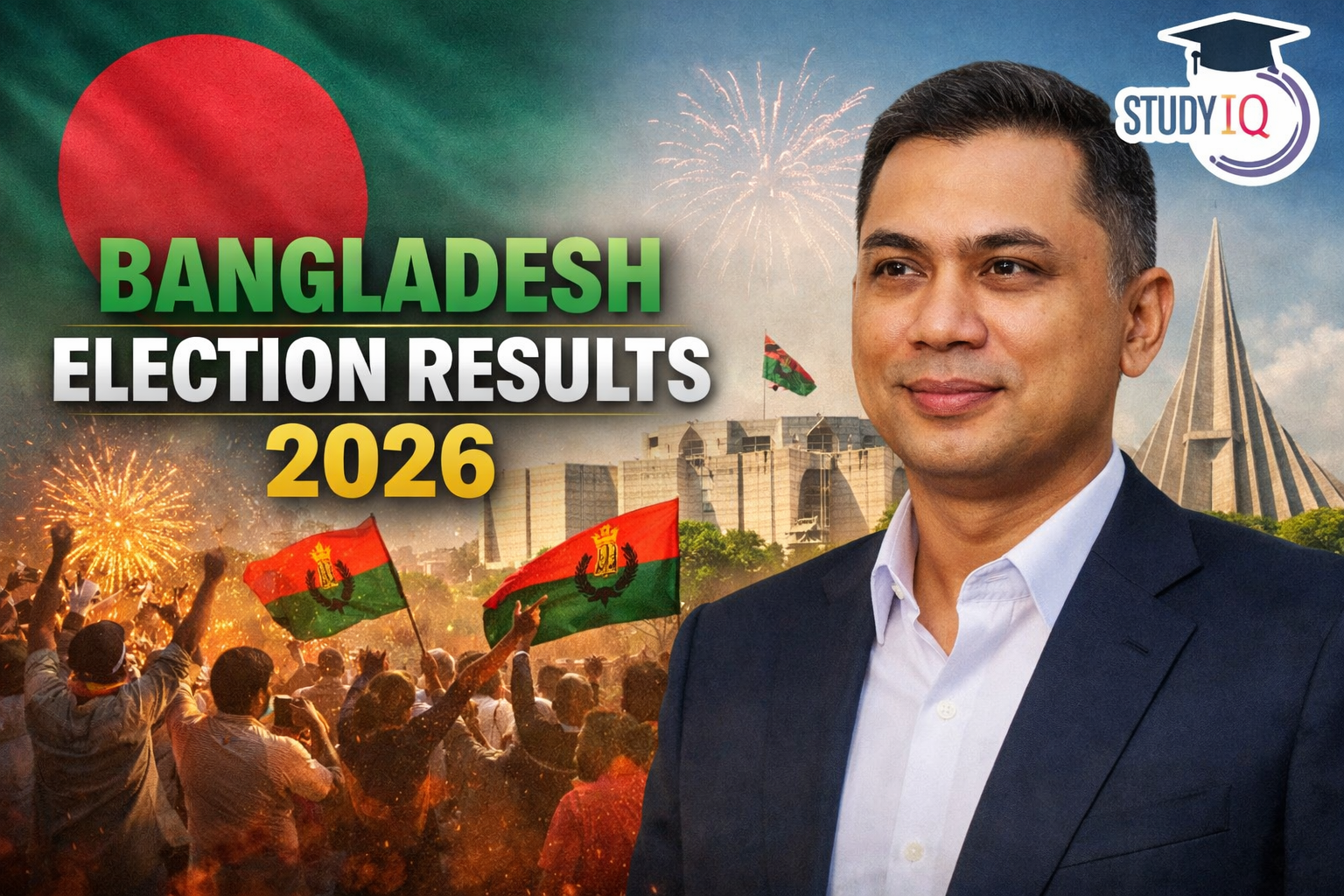
The Bangladesh Election Results 2026 mark one of the most significant political turning points in the country’s modern history. The victory of the Bangladesh Nationalist Party (BNP) under the leadership of Tarique Rahman signals not only a change in government but also a major shift in Bangladesh’s political trajectory after years of intense rivalry, protests, and political restructuring.
The 13th parliamentary elections were conducted during a period of transformation following the 2024 political uprising and the interim governance phase. With the BNP securing a massive mandate, Tarique Rahman’s rise to power represents both a political comeback and a generational transition in Bangladesh’s leadership.
This article provides a complete analysis of the Bangladesh Election Results 2026, political context, party performance, international reactions, and future implications for the country and the region.
Bangladesh Election Results 2026: Background
Before the 2026 elections, Bangladesh experienced major political turbulence. The fall of the previous government after mass protests and youth-led movements reshaped the political landscape. The country was governed by an interim administration for nearly 18 months before fresh elections were announced.
Several major developments shaped the election environment:
-
Ban or restricted participation of major political rivals
-
Death of veteran political leader Khaleda Zia
-
Return of Tarique Rahman after years abroad
-
Growing youth political participation
-
Calls for democratic reforms and institutional rebuilding
The elections were widely seen as a referendum on Bangladesh’s future political direction.
Bangladesh Election Results 2026: Key Highlights
The Bangladesh Nationalist Party delivered a historic performance in the 2026 parliamentary elections.
Major Result Highlights
-
BNP secured more than 200 seats
-
Two-thirds majority achieved in Parliament
-
Opposition parties are significantly behind in the seat tally
-
High voter turnout in urban and semi-urban regions
-
Strong youth and middle-class support for BNP
This result represents one of the strongest electoral mandates in Bangladesh’s democratic history.
Read: Bangladesh is Unlike Pakistan
Bangladesh Election 2026: Tarique Rahman’s Rise to Power
Political Legacy and Family Background
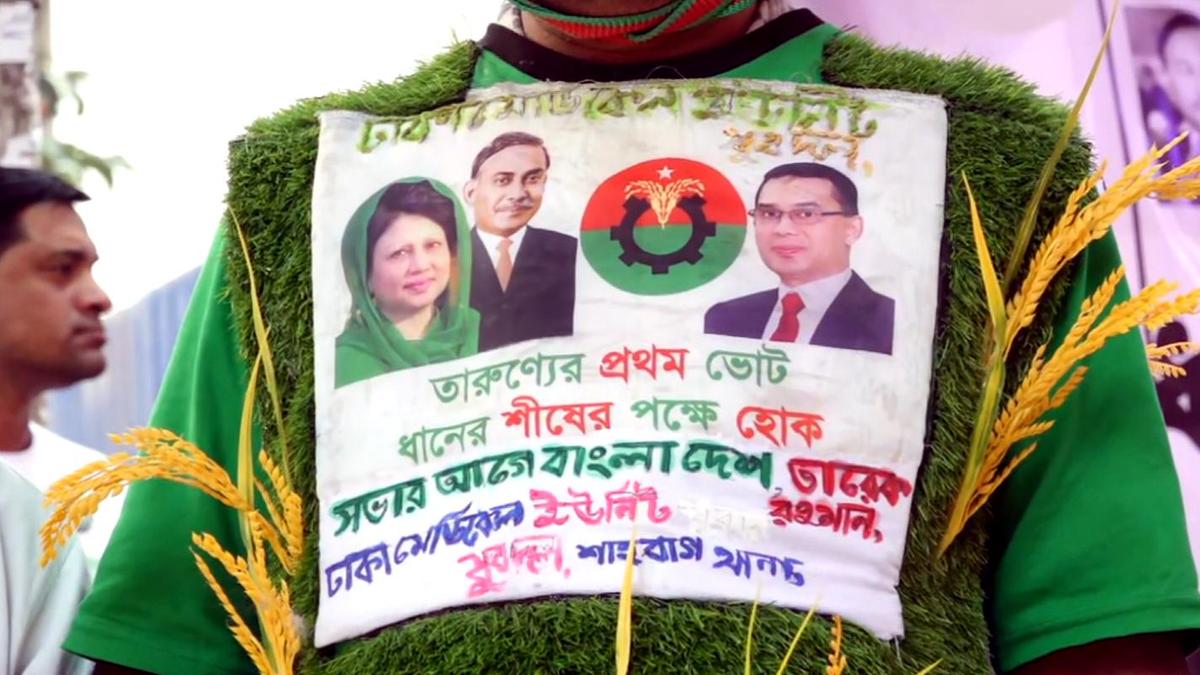
Tarique Rahman comes from one of Bangladesh’s most influential political families. He is the son of former Prime Minister Khaleda Zia and former President Ziaur Rahman, the founder of the Bangladesh Nationalist Party.
His political journey has been complex, marked by controversy, exile, legal battles, and eventual political rehabilitation.
Return to Bangladesh Politics
After spending years outside Bangladesh, Tarique Rahman returned at a time when the BNP was attempting to rebuild its political base. His leadership helped the party reconnect with:
-
Youth voters
-
Urban middle-class population
-
Conservative rural vote banks
-
Anti-establishment political groups
His rise symbolizes both political continuity and generational leadership transition.
Why BNP Won the Bangladesh Elections 2026
1. Anti-Incumbency Sentiment
Many voters wanted political change after years of one-party dominance. The BNP successfully positioned itself as the alternative.
2. Youth Support
The youth played a decisive role in shaping the 2026 elections. Issues such as employment, the growth of the digital economy, and governance reforms influenced young voters.
3. Sympathy and Emotional Factor
The death of veteran leader Khaleda Zia before elections created emotional momentum for BNP supporters.
4. Organizational Strategy
BNP improved grassroots mobilization and digital campaigning, helping reach first-time voters.
5. Political Narrative of “New Bangladesh.”
BNP projected itself as a party capable of rebuilding institutions and ensuring political balance.
Opposition Performance in Bangladesh Elections 2026
The opposition landscape was fragmented in the 2026 elections.
Islamist Political Groups
Some Islamist parties emerged as secondary opposition forces but could not match BNP’s nationwide support.
Smaller Political Parties
Smaller parties and youth-led political groups gained limited seats, reflecting emerging political diversity, but not enough to challenge the BNP’s dominance.
Boycott and Legitimacy Debate
Some political groups questioned election fairness, which may influence future political debates in Bangladesh.
Voter Turnout and Election Day Trends
The Bangladesh Election 2026 witnessed strong voter participation across regions.
Key Trends
-
Long queues reported early morning at polling stations
-
High participation from first-time voters
-
Relatively peaceful polling with minor localized incidents
-
Increased participation of women voters in urban areas
The election reflected strong public interest in shaping the country’s political future.
International Reactions to Bangladesh Election Results 2026
India
India congratulated the new leadership and emphasized cooperation in trade, security, and regional stability.
Pakistan
Pakistan welcomed the election outcome and expressed interest in improving diplomatic engagement.
United States and Western Countries
Western nations acknowledged the election results and stressed democratic governance, economic reforms, and stability.
Regional Geopolitical Importance
Bangladesh remains strategically important due to:
-
Bay of Bengal maritime routes
-
Indo-Pacific geopolitics
-
China’s infrastructure investments
-
Regional trade corridors
Economic Implications of BNP Victory
The new government is expected to focus on economic revival and investment growth.
Expected Economic Priorities
-
Job creation programs
-
Digital economy expansion
-
Foreign investment attraction
-
Infrastructure development
-
Export sector strengthening
If implemented effectively, these policies could boost Bangladesh’s economic growth trajectory.
Challenges Ahead for Tarique Rahman Government
Despite a strong mandate, several challenges remain.
Political Stability
Ensuring opposition participation and democratic institutional balance will be critical.
Economic Pressure
Inflation, unemployment, and global economic uncertainty remain key concerns.
Law and Order
Post-election political tensions must be managed carefully.
International Balancing
Maintaining balanced relations with India, China, US, and regional powers will be important.
What Bangladesh Election Results 2026 Mean for South Asia
The election outcome may influence regional politics.
Possible Regional Impacts
-
Stronger regional economic integration
-
Strategic maritime cooperation
-
Shift in regional diplomatic alignments
-
Greater focus on Indo-Pacific strategy
Bangladesh’s political direction often impacts South Asian geopolitical calculations.
Future Political Outlook of Bangladesh
The BNP victory opens a new political phase.
Possible Future Trends
-
Rise of youth-centric politics
-
More coalition-based political competition
-
Institutional reforms
-
Digital political campaigning expansion
If governance remains stable, Bangladesh may enter a period of political consolidation.
Conclusion
The Bangladesh Election Results 2026 represent a defining moment in the country’s democratic journey. The landslide victory of the BNP and the rise of Tarique Rahman signal both political transformation and leadership transition.
The election outcome reflects public desire for political balance, economic opportunity, and governance reforms. While challenges remain, the new government has a strong mandate to shape Bangladesh’s next political and economic chapter.
The coming years will determine whether this historic victory translates into long-term stability, economic growth, and stronger democratic institutions.
|
Read More Notes |
|
| Environment Notes | Art and Culture Notes |
| Science and Tech | History Notes |
| Geography Notes | Indian Polity Notes |
| General Knowledge | International Relation |
|
Explore StudyIQ Courses |
|
 Disaster Management in India, Classifica...
 Good Friday 2026: Date, History, Meaning...
 Removal of the Chief Election Commission...













 WhatsApp





