
Table of Contents
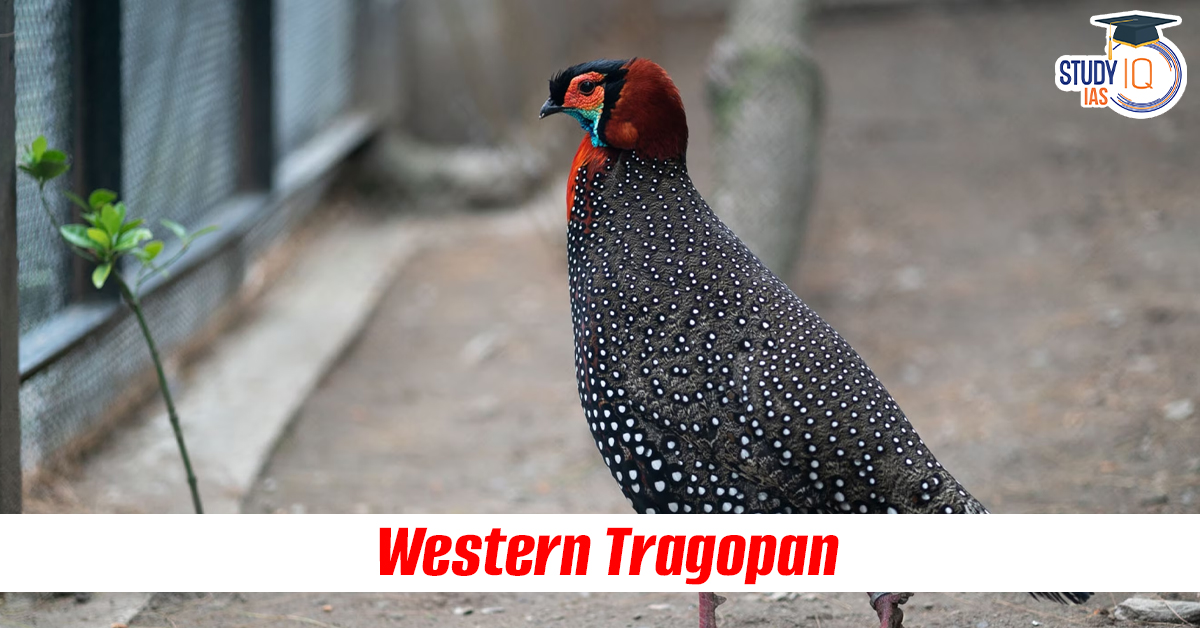
The Western Tragopan (Tragopan melanocephalus), locally called Jujurana (“King of Birds”) in Himachal Pradesh and Daalgeer in Kashmir, is widely regarded as the most spectacular and elusive pheasant on Earth.
With its blazing crimson plumage dotted with white eyespots, electric-blue inflatable horns, and a throbbing scarlet throat lappet that blooms like a flower during courtship, a displaying male is one of nature’s greatest shows. Its haunting waa-waa-ooooh call echoing through misty cedar forests is the signature sound of the Western Himalayas in spring.
The “King of Birds”: Why the Western Tragopan Is So Special
| Quick Facts (2025) | Details |
|---|---|
| IUCN Status | Vulnerable |
| Wild Population | 3,000–5,000 mature individuals |
| Range | Pakistan (Kohistan, Swat, Azad Kashmir) → India (J&K, Himachal, Uttarakhand) |
| Altitude | 1,800–3,600 m |
| Best Viewing Months | April–June (breeding display) |
| Lifespan | 10–15 years wild, up to 21 in captivity |
Habitat & Top Places to See It in 2025
- India – Great Himalayan National Park (Sainj & Tirthan valleys) – highest density – Dachigam National Park (near Srinagar) – easiest access – Daranghati, Kais, Rupi Bhaba & Kedarnath sanctuaries
- Pakistan – Machiara National Park, Palas Valley, Neelum Valley
Responsible birding tours now run April–June every year – a displaying male remains a bucket-list sighting for global birdwatchers.
Breakthrough News 2025: Sarahan Pheasantry Delivers Best-Ever Breeding Season
In the biggest conservation win in decades, the Sarahan Captive Breeding Centre (Himachal Pradesh) – India’s only Western Tragopan facility – recorded its most successful year in 2024-25.
- 7–8 chicks hatched
- 5–6 chicks survived and are now perching and flying inside large aviaries
- First time in years that multiple chicks have reached near-fledging stage
“This year we have five or six healthy survivors – a huge leap forward,” said senior wildlife scientist Rahul Kaul. Staff at the 2,200 m-high centre in Rupi Bhaba Wildlife Sanctuary are celebrating the strongest results since the programme began in 1993.
Why Breeding This Bird Is So Hard
Western Tragopans are notoriously difficult in captivity:
- Extremely sensitive to stress and disturbance
- Need precise Himalayan micro-climate
- High early chick mortality (historically >90 %)
- Small founder population created genetic challenges
Despite these hurdles, 2025 marks the turning point. Chicks seen flapping confidently inside aviaries have raised real hopes for future soft-release trials.
Reintroduction Hope on the Horizon
Scientists are now openly discussing experimental releases as early as 2026–2028 in secure pockets of Great Himalayan National Park and Daranghati Sanctuary – provided funding, predator control, and habitat restoration continue.
“Before any bird goes back to the wild we must ensure food, cover, and low predator pressure,” stressed forest officials. Adaptive management trials using 2025 chicks could become India’s first tragopan reintroduction attempt.
Threats Still Loom Large
Even with captive success, the species remains Vulnerable:
- Ongoing habitat loss (hydropower, grazing, illegal logging)
- Climate change shrinking temperate forest zone
- Free-ranging dogs killing chicks
- Occasional poaching for meat and traditional medicine
The Real Heroes: Communities Turning from Hunters to Guardians
Across Himachal and Kashmir, former hunters now work as:
- As paid bird monitors and ecotourism guides
- Running homestays for birdwatchers
- Protecting nesting sites instead of raiding them
In Tirthan, Sainj, and Kais valleys, families proudly say they earn far more showing tourists the Jujurana than they ever did hunting it.
How You Can Help the Western Tragopan Survive
- Book responsible birding trips with local community guides
- Stay in village homestays that protect forests
- Avoid off-trail hiking during April–June breeding season
- Share photos and stories – awareness is powerful protection
Final Thought
With wild numbers still below 5,000, every healthy captive chick and every protected forest patch matters. Thanks to Sarahan’s 2025 breakthrough and growing community pride, the fiery-red King of Birds finally has genuine hope of keeping its Himalayan throne for centuries to come.
 Viksit Bharat Shiksha Adhishthan Bill 20...
 Cyclone Maila Intensifies Over Solomon S...
 List of Military Exercises of India 2026...













 WhatsApp





