
Table of Contents
Context: The ongoing West Asia conflict has exposed India’s vulnerability in fertiliser security, as both LNG supply (for domestic production) and urea imports depend heavily on the region.
India’s Dual Dependence on West Asia for Urea Production
India’s dual dependence on West Asia for urea production highlights a critical aspect of its agricultural and energy security. While India relies heavily on imports of natural gas from West Asian countries as a key input for domestic urea manufacturing, it also imports finished urea to meet the gap between domestic production and rising demand.
This two-fold dependence exposes the country to supply disruptions, price volatility, and geopolitical risks in the region. Addressing this challenge requires diversifying energy sources, enhancing domestic production capacity, and adopting more sustainable fertiliser practices.
| About Dual Dependence |
Urea Supply = Domestic Production (via LNG) + Imports (from West Asia)
|
How Urea Production Works
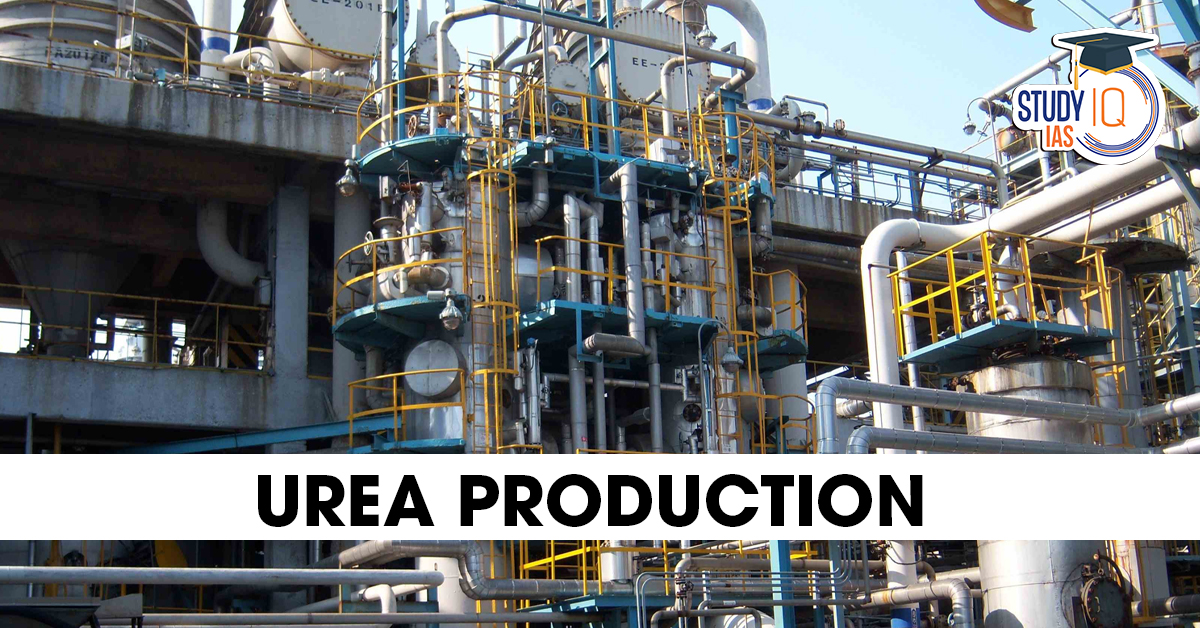
- Natural Gas → Ammonia → Urea: LNG is used to produce ammonia, which is then converted into urea fertiliser.
- Energy-Intensive Process: Natural gas is preferred over naphtha/oil due to higher efficiency and lower emissions.
Key Issues / Risks
- Geopolitical Chokepoint Risk: Strait of Hormuz disruption threatens >60% of India’s LNG supply.
- Fertiliser Production Impact: Reduced LNG supply can directly cut domestic urea production.
- Import Vulnerability: Heavy reliance on West Asia for imports exposes India to price shocks and supply disruptions.
- Agricultural Impact: Urea is the most widely used fertiliser, critical for the Kharif season and food security.
Government Measures
- Priority Allocation Policy: Under the Natural Gas (Supply Regulation) Order, 2026, the fertiliser sector gets ~70% assured gas supply.
- Buffer Stocks: Urea reserves increased to ~61.5 lakh tonnes ahead of the Kharif season.
- Diversification Efforts: Exploring alternative import sources and strengthening domestic capacity.
|
Read More Notes |
|
| Environment Notes | Art and Culture Notes |
| Science and Tech | History Notes |
| Geography Notes | Indian Polity Notes |
| General Knowledge | International Relation |
|
Explore StudyIQ Courses |
|

 Agri-photovoltaics in India, Key Feature...
 Delhi’s Smog-Eating Road Initiative: T...
 Erratic Weather in March, Causes and Imp...












 WhatsApp





