
Table of Contents
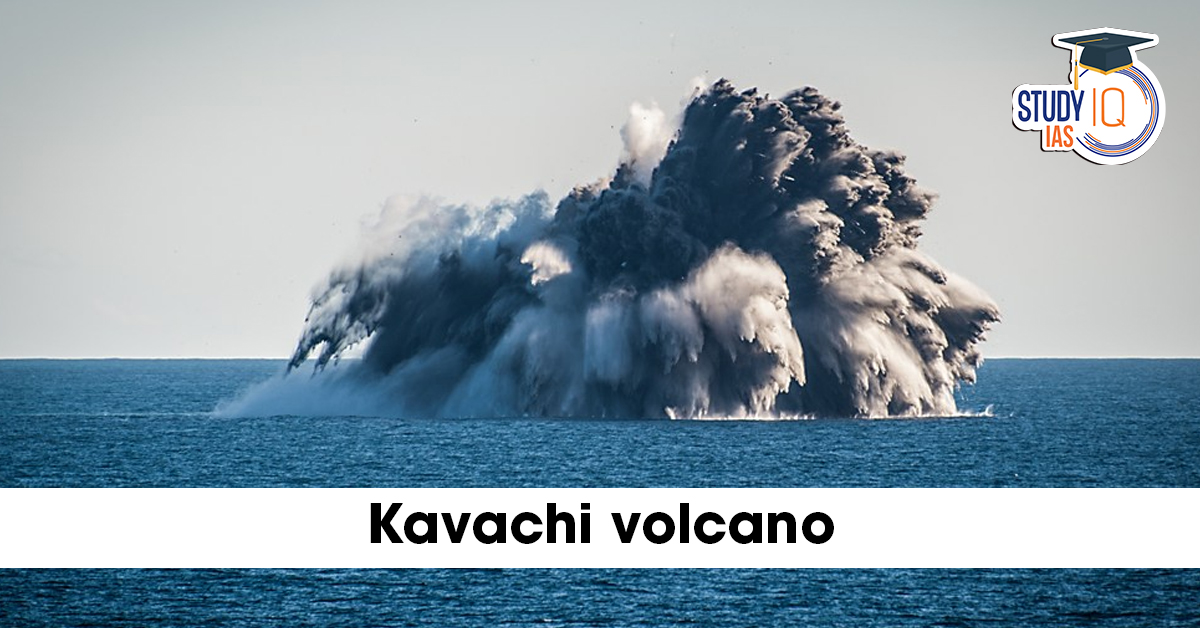
Kavachi Volcano is one of the most active submarine volcanoes in the world, located in the South Pacific Ocean near the Solomon Islands. Known for its frequent eruptions, temporary island formation, and recent discovery of sharks living inside its volcanic crater, Kavachi has gained global attention from scientists and the public alike. Often referred to as “Sharkcano”, the volcano challenges traditional understanding of marine survival in extreme volcanic environments.
This SEO article explains Kavachi Volcano’s location, features, eruptive history, scientific importance, and why it is in the news.
Where Is Kavachi Volcano Located?
Kavachi Volcano is a shallow submarine volcano located in the southwest Pacific Ocean, just south of Vangunu Island in the Solomon Islands.
- Region: South Pacific Ocean
- Nearby landmass: Vangunu Island, Solomon Islands
- Tectonic zone: Pacific Ring of Fire
Its position along a highly active tectonic boundary makes it prone to frequent volcanic activity.
What Type of Volcano Is Kavachi?
Kavachi is a submarine volcano, meaning it erupts beneath the ocean surface. Unlike dormant underwater volcanoes, Kavachi is notable because it:
- Erupts regularly
- Sometimes breaches the sea surface
- Creates short-lived volcanic islands
Because it is shallow, its eruptions are often visible from space and surrounding islands.
Kavachi Volcano Eruptions and Island Formation
Kavachi is famous for repeatedly forming temporary islands during powerful eruptions.
Eruptive Characteristics
- Releases steam plumes, ash, lava, and volcanic gases
- Causes dramatic discoloration of surrounding seawater
- Emits superheated, acidic water
Temporary Islands
- Islands formed are:
- Small in size
- Composed of weak lava material
- Quickly eroded by ocean waves
- As a result, none of the islands remain permanent
Historical Eruptive Activity of Kavachi Volcano
Kavachi Volcano was first scientifically documented in 1939. Since then, it has erupted many times, often unpredictably.
Notable Eruptions
- 2007 – Major eruption with island formation
- 2014 – Significant volcanic activity observed
- Later eruptions captured via NASA satellite imagery
Due to its volatility, direct human exploration is extremely dangerous.
Why Is Kavachi Volcano Called ‘Sharkcano’?
Kavachi earned the nickname “Sharkcano” after scientists discovered sharks living inside its crater.
Shocking Discovery
- In 2015, researchers deployed deep-sea cameras into the volcano
- Footage revealed:
- Hammerhead sharks
- Silky sharks
- A stingray inside the caldera
- The animals appeared unaffected by:
- Heat
- Acidity
- Turbid volcanic waters
This discovery was later released by National Geographic, attracting worldwide attention.
How Can Sharks Survive Inside Kavachi Volcano?
Scientists remain uncertain how large marine predators survive in such extreme conditions. Possible explanations include:
- Behavioural adaptation: Sharks may enter during calm phases and leave before eruptions
- Enhanced sensory perception: Ability to detect chemical or seismic warning signs
- Physiological tolerance: Potential adaptation to heat and acidic environments
The phenomenon offers valuable insight into marine resilience and adaptation under climate stress.
Scientific Importance of Kavachi Volcano
Kavachi is a natural laboratory for studying:
- Submarine volcanism
- Extreme marine ecosystems
- Adaptation of life to heat and acidity
- Greenhouse gas emissions from underwater volcanoes
Robotic missions have recorded:
- Sudden drops in ocean pH levels
- Temperatures up to 10°C above normal
- Release of volcanic gases into seawater
Kavachi Volcano and Climate Research
Studying Kavachi helps scientists understand:
- How marine life responds to warming oceans
- The impact of volcanic emissions on ocean chemistry
- Potential future scenarios under climate change
The sharks of Kavachi may offer clues about how species adapt to increasingly hostile marine environments.
Kavachi Volcano: Key Facts at a Glance
- Type: Submarine volcano
- Location: Solomon Islands, South Pacific Ocean
- Tectonic belt: Pacific Ring of Fire
- First recorded: 1939
- Unique feature: Temporary island formation
- Nickname: Sharkcano
Conclusion
Kavachi Volcano stands out as one of the most fascinating and dangerous volcanoes on Earth. Its frequent eruptions, ability to create temporary islands, and the extraordinary presence of sharks inside its crater make it a subject of intense scientific interest. As research continues, Kavachi may help unlock deeper understanding of volcanism, marine adaptation, and life in extreme environments.
The volcano not only reshapes the ocean floor but also reshapes our understanding of where life can exist.
 CAPF Bill 2026: Formalising IPS Deputati...
 Chhattisgarh Freedom of Religion Bill 20...
 Maternity Leave For Adoptive Mothers, Ma...











 WhatsApp





