
Table of Contents
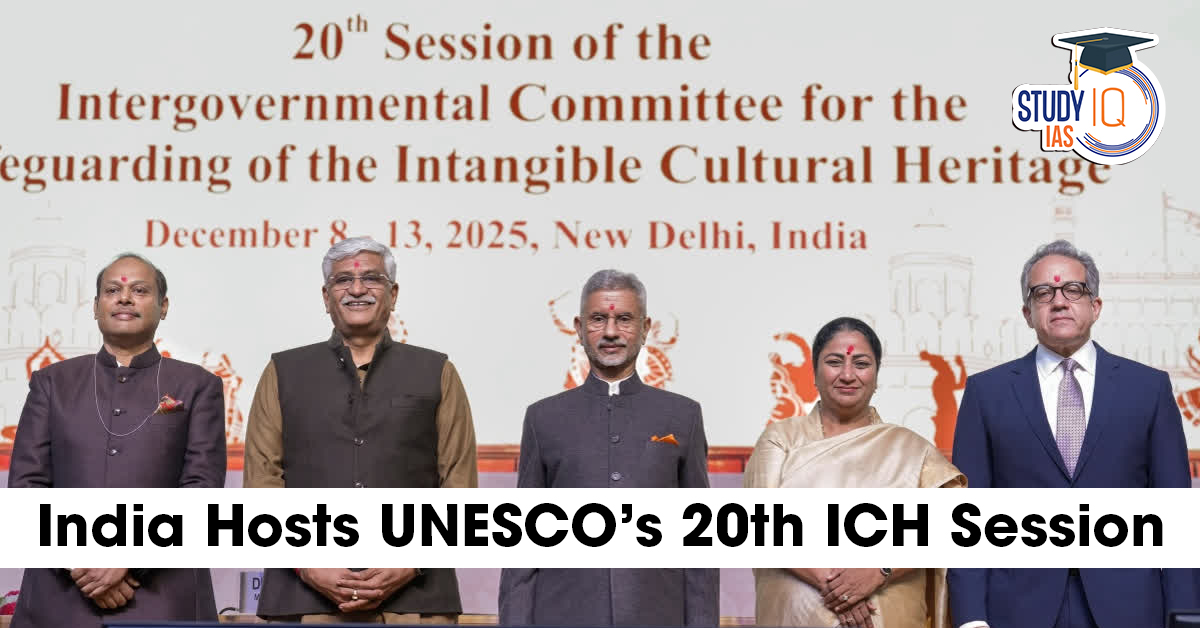
For the first time in history, India is hosting the 20th Session of the UNESCO Intergovernmental Committee for the Safeguarding of the Intangible Cultural Heritage (ICH) from 8–13 December 2025 at Delhi’s majestic Red Fort (Lal Qila). More than 150 countries, hundreds of cultural experts, community leaders, and policymakers have gathered under the iconic red sandstone walls to shape the future of the world’s living traditions.
Prime Minister Narendra Modi welcomed the milestone on X (formerly Twitter), stating: “It is a matter of immense joy that the 20th Session of UNESCO’s Committee on Intangible Cultural Heritage has commenced in India… India is glad to host this gathering, and that too at the Red Fort.”
What is Intangible Cultural Heritage (ICH)?
Unlike monuments and museums, Intangible Cultural Heritage is alive and constantly evolving. UNESCO defines it as:
- Oral traditions and expressions
- Performing arts (dance, music, theatre)
- Social practices, rituals, and festive events
- Knowledge and practices concerning nature and the universe
- Traditional craftsmanship
These living traditions are transmitted from generation to generation and provide communities with a sense of identity and continuity.
India’s 16 UNESCO-Recognised Intangible Cultural Heritage Elements (2025)
As of December 2025, India proudly holds 16 elements on UNESCO’s Representative List of the Intangible Cultural Heritage of Humanity — one of the highest in the world:
- Yoga (2016)
- Koodiyattam – Sanskrit theatre, Kerala (2008)
- Vedic Chanting (2008)
- Ramlila (2008)
- Ramman – Uttarakhand (2009)
- Mudiyettu – Kerala (2010)
- Kalbelia folk songs & dances, Rajasthan (2010)
- Chhau Dance (2010)
- Buddhist chanting of Ladakh (2012)
- Sankirtana – Manipur (2013)
- Traditional brass & copper craft of Thatheras, Punjab (2014)
- Navruz/Novruz (shared multinational, 2016)
- Kumbh Mela (2017)
- Durga Puja in Kolkata (2021)
- Garba – Gujarat (2022, fastest-ever inscription)
- Kolam/Kolam (expected confirmation during the 2025 session – watch this space!)
Why Hosting the 20th ICH Session at Red Fort is Historic
- First time the committee meeting is held in India in its 20-year history
- Symbolic venue: Red Fort (a UNESCO World Heritage Site) meets living heritage
- India is showcasing its successful national model of community-driven safeguarding
- Over 150 nations discussing new inscriptions, funding, and international cooperation
Organised by the Ministry of Culture, Government of India and Sangeet Natak Akademi, the six-day session includes closed to the public, but cultural performances, exhibitions, and side events across Delhi are celebrating India’s living heritage throughout December 2025.
Best Places to Experience India’s UNESCO Intangible Heritage in 2025–2026
Planning a cultural trip? Here are the top experiences linked to India’s ICH elements:
| Heritage Element | Best Time to Visit | Destination |
|---|---|---|
| Garba | Sep–Oct (Navratri) | Ahmedabad, Vadodara (Gujarat) |
| Durga Puja | Sep–Oct | Kolkata (West Bengal) |
| Kumbh Mela | Next: 2029 (Prayagraj) | Prayagraj, Haridwar, Nashik, Ujjain |
| Ramlila | Sep–Oct | Ramnagar (Varanasi), Ayodhya |
| Chhau Dance | Apr (Chhau Festival) | Purulia (West Bengal), Seraikela (Jharkhand) |
| Kalbelia Performances | Oct–Mar | Pushkar, Jaisalmer (Rajasthan) |
| Koodiyattam & Mudiyettu | Year-round (festivals peak Dec–Mar) | Kerala Kalamandalam, Thrissur |
| Vedic Chanting | Morning rituals | Varanasi, Tirupati, Nashik |
Why This Matters for Travellers
When you watch Garba dancers whirl under the night skies in Gujarat, join the thunderous celebrations of Durga Puja in Kolkata, or listen to Kalbelia musicians around a desert campfire, you are experiencing UNESCO-recognised living masterpieces.
Supporting authentic cultural tourism directly helps:
- Artisans and performers earn sustainable livelihoods
- Rural economies thrive
- Ancient knowledge systems of ecological wisdom survive
- Communities stay connected to their roots in a globalised world
 Species in News for UPSC Prelims 2026: C...
 Central India’s Jumbo Crisis: Human-El...
 UN Road Safety Project: Objectives, Impl...







 WhatsApp





