
Table of Contents
Introduction
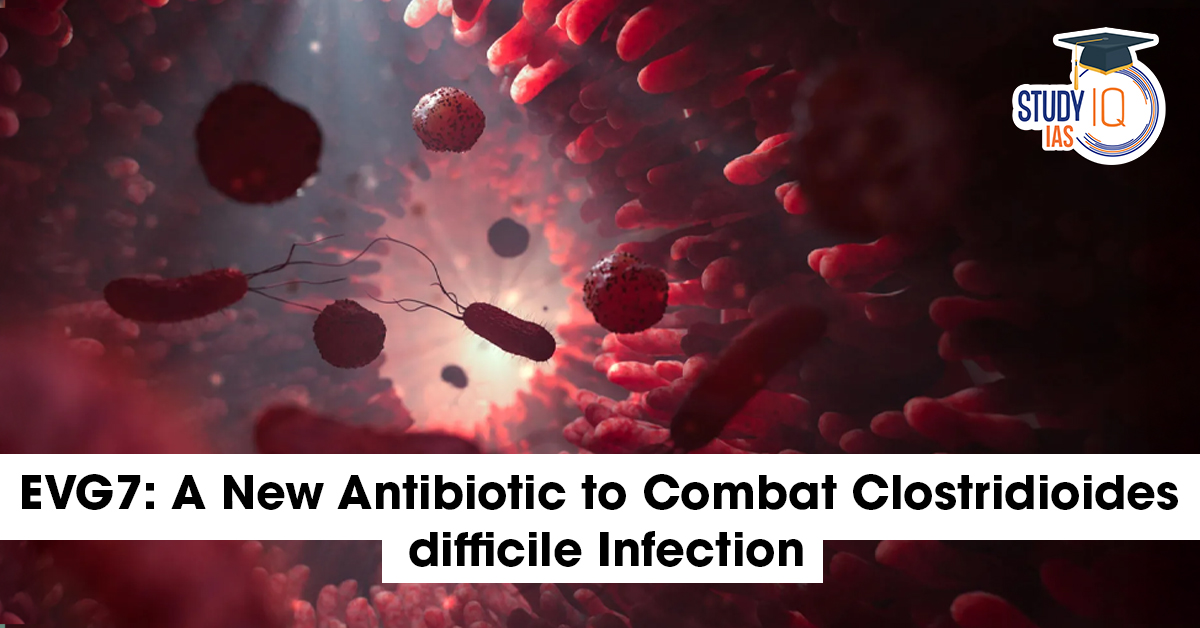
- Scientists at Leiden University developed a new experimental antibiotic EVG7 to treat infections caused by Clostridioides difficile. The study published in Nature Communications shows the drug can clear infection at very low doses while preserving beneficial gut bacteria, unlike many current antibiotics that damage the gut microbiome.
About the Disease: Clostridioides difficile Infection
- Toxin-Producing Gut Pathogen: Clostridioides difficile infects the large intestine and releases toxins that damage intestinal cells, causing severe diarrhea and inflammation.
- Hospital-Associated Infection: The disease spreads mainly in hospitals and healthcare facilities, especially among patients receiving antibiotic treatment.
- Spore-Forming Bacterium: The bacterium forms resistant spores that survive treatment and later germinate, causing the infection to return.
- Symptoms and Health Effects: Infection leads to watery diarrhea, abdominal pain, fever, and colitis, and in severe cases may become life-threatening.
- High-Risk Groups: Elderly people, hospitalized patients, and immunocompromised individuals are more vulnerable due to weakened immunity and disrupted microbiome.
Issues in Current Treatments
- Microbiome Destruction by Antibiotics: Many antibiotics kill both harmful and beneficial bacteria, disrupting the natural microbial balance of the gut.
- High Recurrence Rate: Around 20–30% of patients relapse, as difficile spores survive treatment and grow again later.
- Antibiotic-Induced Infection Risk: Antibiotics themselves can trigger CDI by removing protective gut microbes.
- Limited Drug Options: Treatment mainly relies on Vancomycin, Metronidazole, and Fidaxomicin, which still face recurrence problems.
- Antimicrobial Resistance Risk: Repeated antibiotic use may increase antimicrobial resistance, reducing treatment effectiveness.
|
What is the Microbiome |
| ● Community of Microorganisms: The microbiome refers to trillions of bacteria, fungi, and viruses living in the human body, mainly in the digestive system.
● Gut Microbiome Ecosystem: In the intestine, microbes form a complex ecosystem that interacts with the digestive and immune systems. ● Balance of Microbial Species: A healthy microbiome maintains a balance between beneficial and harmful microbes, protecting gut health. ● Sensitive Biological System: The microbiome can be altered by antibiotics, diet, illness, and lifestyle, which may disturb microbial balance. Significance of the Microbiome ● Natural Defense Against Pathogens: Beneficial bacteria compete with pathogens, preventing harmful microbes like C. difficile from multiplying. ● Support for Digestion: Gut microbes help break down complex food molecules and assist in nutrient absorption. ● Immune System Regulation: The microbiome interacts with immune cells, helping the body respond effectively to infections. ● Production of Beneficial Molecules: Certain bacteria produce vitamins and short-chain fatty acids important for metabolic health. ● Maintenance of Gut Stability: A balanced microbiome ensures intestinal health and microbial diversity, preventing infections. |
Significance of the New Drug EVG7
- Targeted Antibiotic Action: EVG7 selectively targets difficile while minimizing damage to beneficial gut bacteria.
- High Effectiveness at Low Dose: Studies show very small doses of EVG7 can eliminate infection efficiently.
- Preserves Protective Bacteria: The drug maintains Lachnospiraceae bacteria, which naturally suppress C. difficile growth.
- Reduced Infection Recurrence: By preserving the microbiome, EVG7 lowers the chance that spores regrow and cause relapse.
- Potential Reduction in Resistance: Because the drug is highly potent, it may reduce the risk of antibiotic resistance development.
|
Read More Notes |
|
| Environment Notes | Art and Culture Notes |
| Science and Tech | History Notes |
| Geography Notes | Indian Polity Notes |
| General Knowledge | International Relation |
|
Explore StudyIQ Courses |
|
 The Transgender Persons (Protection of R...
 WASH (Water, Sanitation, and Hygiene) Se...
 Vairamuthu Wins Jnanpith Award 2026: Tam...









 WhatsApp





