
Table of Contents
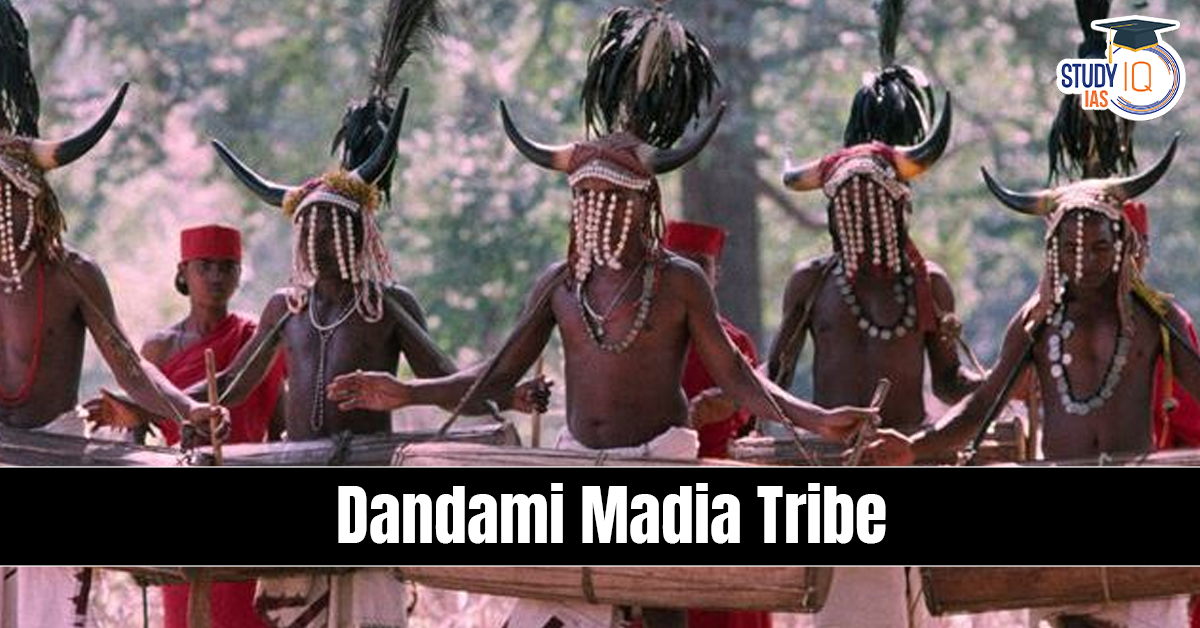
The Dandami Maria tribe, popularly known as the Bison Horn Maria tribe, is one of India’s most vibrant indigenous communities. Residing in the lush forests of Bastar, Chhattisgarh, they are celebrated for their spectacular Bison Horn Dance, intricate traditional attire, and deep-rooted connection to nature. In recent years (as of 2025), this tribe has gained renewed attention for preserving their ancient Gond heritage amid modern challenges.

Who Are the Dandami Maria Tribe?
The Dandami Maria (also spelled Dandami Madia or Maria) are a sub-group of the ancient Gond tribe, one of the largest indigenous groups in central India. They trace their origins to the historic Gondwana region and speak the Dandami Maria dialect, a Dravidian language related to Gondi.
- Alternative Names: Bison Horn Maria (due to their signature headgear) or Khalpati Maria.
- Population and Habitat: Primarily found in southern Chhattisgarh’s Bastar region, including areas like Dantewada, Jagdalpur, Darbha, Tokapal, and Lohandiguda. Their villages are nestled in dense forests, shaping a lifestyle centered on agriculture, hunting, fishing, and forest produce collection.
Despite modernization, the tribe maintains progressive social norms, including divorce and widow remarriage, reflecting gender equality.
The Famous Bison Horn Maria Dance: A Cultural Spectacle
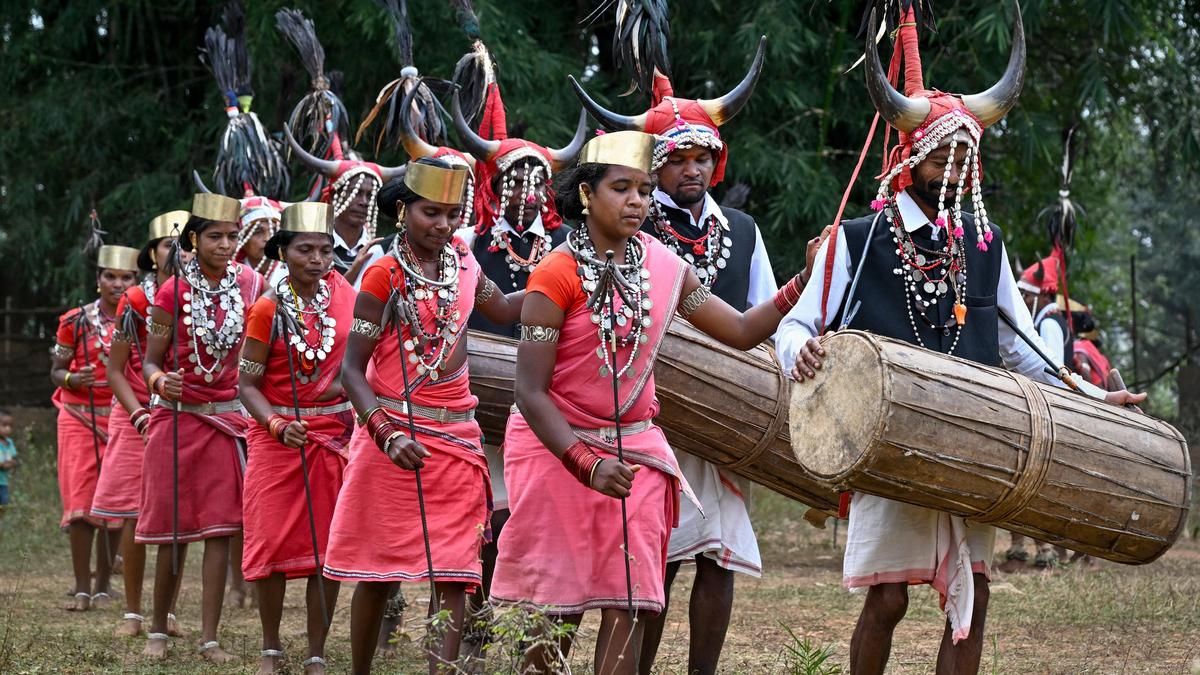
The Bison Horn Dance (also called Gaur Maria Dance) is the hallmark of Dandami Maria culture. Performed by both men and women during festivals, harvests, weddings, and rituals like Bastar Dussehra, it mimics the majestic movements of the wild bison (gaur).
- Men’s Attire: Elaborate bamboo-framed headgear adorned with cattle horns (due to bison scarcity), peacock feathers, cowrie shells, beads, and flowing cloth. They wear ankle bells and play drums (mandar) or flutes.
- Women’s Attire: Handwoven saris, heavy silver/brass jewelry, coin ornaments, and cowrie shell crowns.
This energetic communal dance celebrates hunting traditions, seasonal cycles, and forest deities like Budhadev and Danteshwari Mai. In late 2025, performances in villages like Judiya Para, Jagdalpur, highlighted its enduring vitality.
Women in the Dandami Maria tribe shine during the dance with their ornate jewelry and rhythmic steps:

Unique Social Customs: The Ghotul System
A standout feature is the ghotul, a youth dormitory where young boys and girls learn life skills, dances, songs, and socialize freely. It promotes community cohesion, cultural transmission, and premarital relationships in a structured way.
Other traditions include distinctive hairstyles (long ponytails for men), ceremonial tobacco boxes, and nature worship.
Challenges and Preservation Efforts
With declining bison populations, dancers now adapt headgear using cattle horns or wood. Modern influences like education and migration pose threats, but community festivals and tourism initiatives help preserve this living heritage.
The towering Bison Horn Maria sculpture in Jagdalpur symbolizes Bastar’s tribal pride.
Why Visit the Dandami Maria Tribe?
Exploring the Dandami Maria offers a glimpse into India’s pre-Aryan tribal roots. Witness authentic performances during Bastar festivals or village tours for an unforgettable cultural experience in Chhattisgarh’s green heart.
 Water Governance in India, Current Crisi...
 World Bear Day 2026: Date, Theme, Histor...
 Shaheed Diwas 2026: History, Significanc...









 WhatsApp





