
Table of Contents
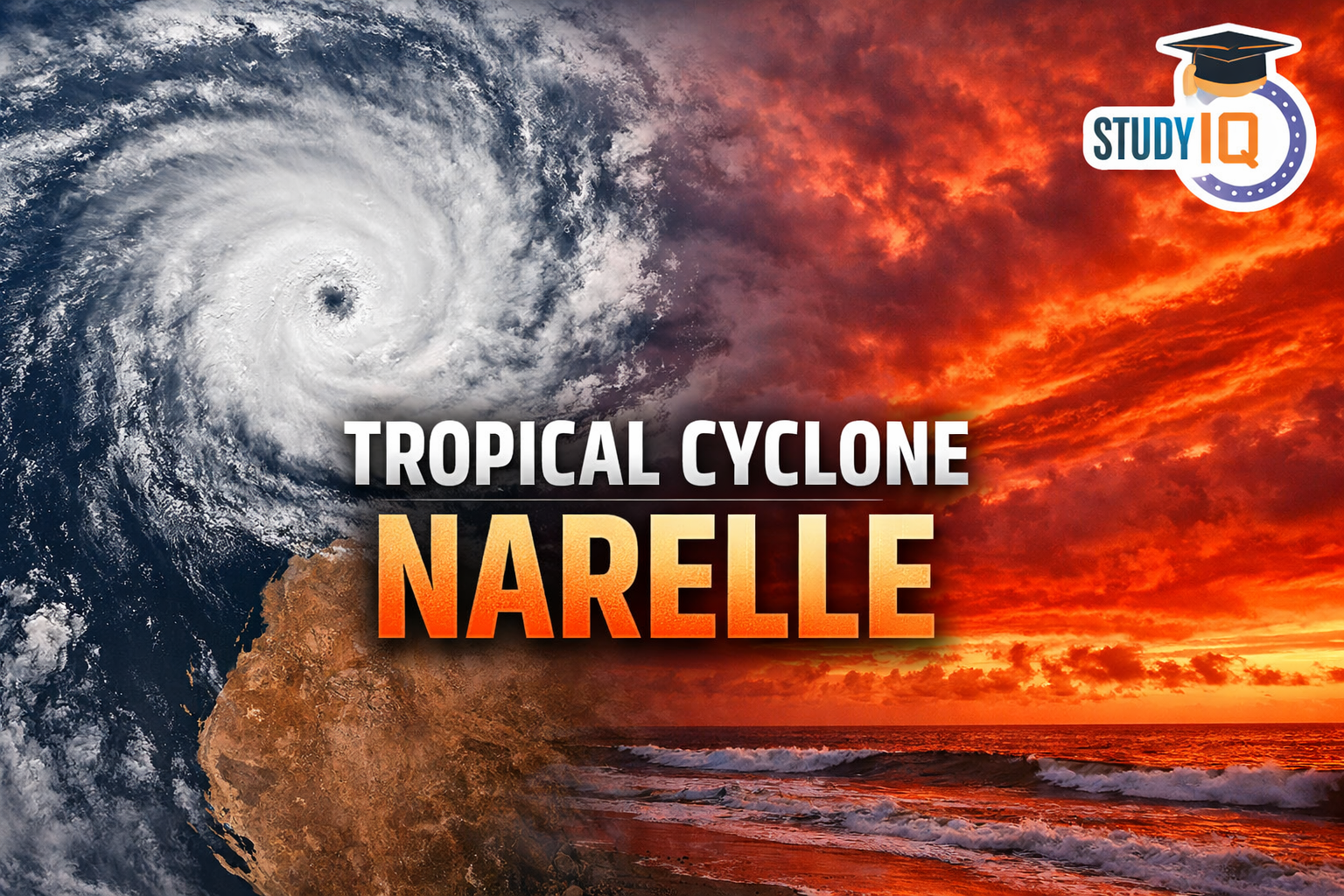
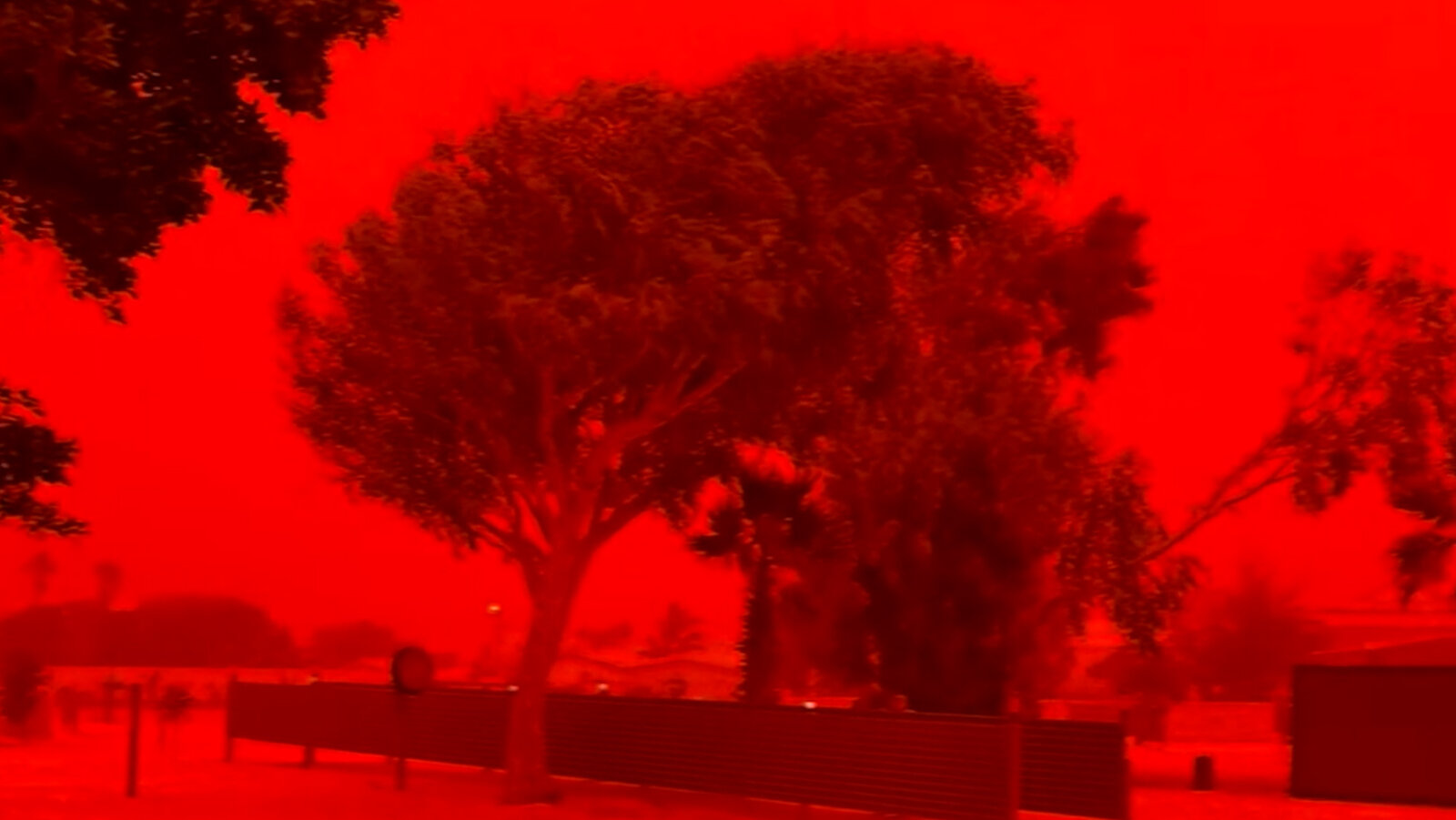
In a striking natural display, Tropical Cyclone Narelle transformed the skies over parts of Western Australia into deep shades of red and orange. Residents and meteorologists alike observed unusual atmospheric colors as the cyclone intensified offshore in the eastern Indian Ocean.
Although the cyclone largely remained off the coast, its atmospheric influence extended far inland, creating surreal visuals that quickly gained attention on social media and weather platforms.
What is Tropical Cyclone Narelle?
Tropical Cyclone Narelle developed in January 2023 over the warm waters of the Indian Ocean and rapidly intensified into a Category 4 tropical cyclone.
Key Highlights:
- Region: Offshore areas of Western Australia
- Peak Intensity: Category 4
- Wind Speeds: Over 200 km/h (approx.)
- Movement: Tracked parallel to the coast without major landfall
- Impact: High waves, strong winds, and atmospheric disturbances
Despite staying offshore, Narelle influenced cloud systems, wind patterns, and dust transport, leading to unusual sky colors.
Why Did the Sky Turn Red in Western Australia?
The red sky phenomenon observed during Cyclone Narelle can be explained through atmospheric science:
1. Rayleigh Scattering (Fundamental Concept)
- Sunlight contains multiple colors (wavelengths).
- Shorter wavelengths (blue/violet) scatter more easily.
- During sunrise/sunset, sunlight travels a longer path → red/orange dominates.
2. Dust and Aerosols (Cyclone Influence)
- Cyclones pull dust and fine particles from inland dry regions.
- Western Australia’s arid landscape provides abundant dust.
- These particles enhance Mie scattering, intensifying red tones.
3. Cyclone Cloud Bands
- High-altitude clouds (cirrus, altostratus) from the cyclone act like filters.
- They reflect and refract sunlight, deepening colors into crimson and purple.
4. Moisture & Humidity
- Increased moisture content changes light interaction with particles.
- Leads to more vivid and long-lasting color effects.
Meteorological Significance of Red Skies
The red sky is not just a visual spectacle—it also signals changing weather patterns.
Traditional Weather Wisdom:
- “Red sky at night, sailor’s delight” → Stable weather
- “Red sky in morning, sailor’s warning” → Incoming storm
During Cyclone Narelle, the red skies often indicated:
- Approaching cloud bands
- Increased wind activity
- Possible rainfall or storm conditions
Impact on Western Australia
Even without direct landfall, Tropical Cyclone Narelle had notable effects:
Coastal Impact
- Rough seas and high waves
- Disruption to marine activities
- Coastal erosion risks
Atmospheric Impact
- Strong gusty winds
- Dust transport inland to coastal areas
- Reduced visibility in some regions
Weather Changes
- Intermittent rainfall
- Increased cloud cover
- Temperature fluctuations
|
Read More Notes |
|
| Environment Notes | Art and Culture Notes |
| Science and Tech | History Notes |
| Geography Notes | Indian Polity Notes |
| General Knowledge | International Relation |
|
Explore StudyIQ Courses |
|
 Wildlife Crime Control Bureau (WCCB): Ro...
 Hope Island in News: Significance, Locat...
 Ramnath Goenka Awards 2026: Full Winners...













 WhatsApp





