
Table of Contents
In November 2025, AidData dropped the most comprehensive study ever published on China’s overseas lending — and the numbers are staggering.
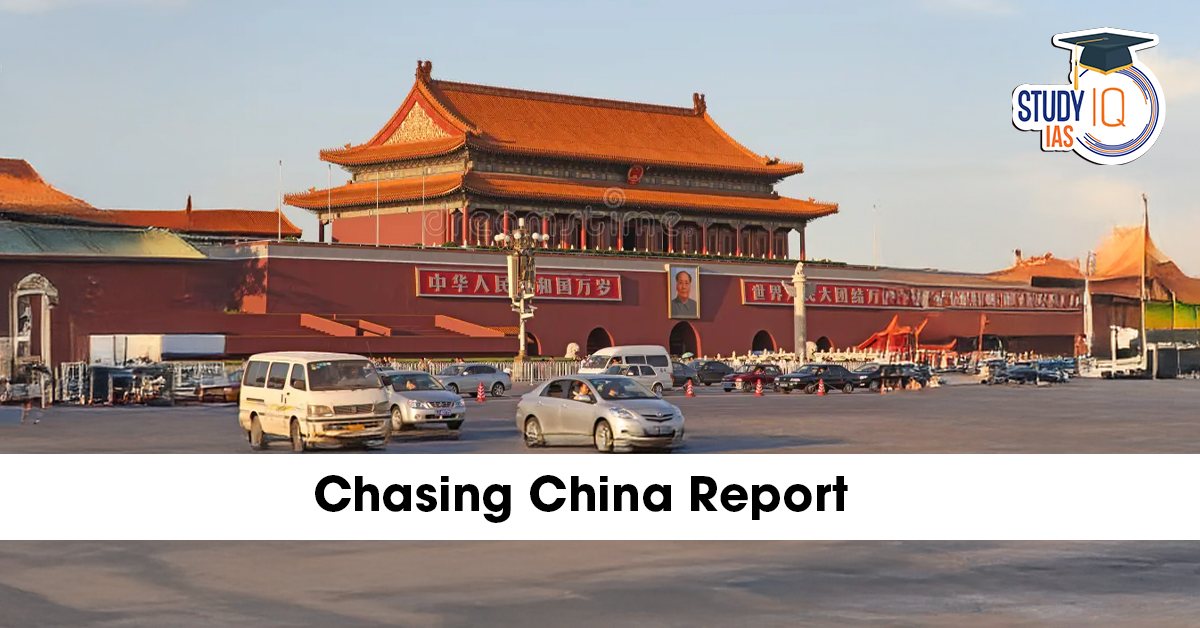
The landmark report “Chasing China: Learning to Play by Beijing’s Global Lending Rules” reveals that between 2000 and 2023, China’s official sector pumped $2.2 trillion into 30,000 projects across 217 countries and territories — a figure far larger than any previous estimate.
If you thought China only lends to developing nations, think again. The report exposes almost $1 trillion flowing to high-income countries alone.
Here’s everything you need to know about the Chasing China report, why it matters, and what it means for global finance in 2026 and beyond.
Key Findings from the Chasing China Report (2025)
| Metric | Amount / Number | Previous Estimates Missed This Because… |
|---|---|---|
| Total Chinese overseas finance | $2.2 trillion (2000–2023) | Only tracked low- and middle-income countries |
| Number of projects | 30,000+ | Many projects never publicly announced |
| Countries & territories reached | 217 | Includes OECD nations, small islands, even Antarctica stations |
| Financing to high-income countries | $943.4 billion | Completely invisible in World Bank / OECD data |
| Chinese institutions involved | 1,193 | Far beyond just CDB and Exim Bank |
The Biggest Surprise: China Lent Almost $1 Trillion to Rich Countries
For years, experts claimed China’s lending was almost exclusively aimed at Africa, Latin America, and Southeast Asia under the Belt and Road Initiative (BRI).
The Chasing China report proves that narrative wrong.
72 high-income countries — including the United Kingdom, Australia, Italy, South Korea, and Israel — received Chinese loans and grants totaling $943 billion. Many of these deals were for 5G networks, data centers, renewable energy, and even research facilities.
This completely rewrites the “debt-trap diplomacy” debate: China isn’t just buying influence in the Global South; it’s embedding itself inside the world’s wealthiest economies.
From Bridges to Bytes: China’s Lending Pivot
The report documents a dramatic strategic shift:
- 2000–2013 (Peak BRI era): 60–70% of lending went to traditional infrastructure (ports, railways, power plants).
- 2018–2023: Infrastructure dropped below 40%. The new winners? Digital infrastructure, green tech, semiconductors, and AI-related projects.
Beijing is now exporting its “new productive forces” — the same technologies it uses to dominate at home.
Why Western Countries Are “Chasing China”
The report’s title isn’t accidental. G7 nations and multilateral banks have started copying China’s playbook:
- Faster project approvals (sometimes under 12 months vs. 3–7 years at World Bank)
- Willingness to lend to riskier borrowers
- Fewer environmental and governance conditions
- Acceptance of Chinese contractors and standards
Examples:
- The EU’s Global Gateway and the U.S. BUILD Act have both relaxed rules since 2021.
- Japan’s “unbundled” some procurement requirements to compete head-on with Chinese bids.
Should We Worry About Chinese Debt Traps?
The report is surprisingly nuanced.
Yes, some countries (Sri Lanka, Zambia, Laos) face crushing repayment schedules to China.
But overall, debt servicing costs to China remain lower than to private bondholders or even the World Bank for most borrowers — largely because interest rates are concessional (2–3% vs. 6–10% market rates).
The real risk, according to AidData: opacity. Many Chinese contracts contain confidentiality clauses, cross-default triggers, and no negative-pledge terms that scare off other lenders.
Final Takeaway
The Chasing China report proves Beijing has built the largest, most sophisticated overseas lending machine in history — and it reaches literally everywhere, from Antarctica research stations to London data centers.
Whether you see this as smart economic statecraft or predatory lending, one thing is undeniable: the rules of global development finance have permanently changed.
 Who Was Ayatollah Ali Khamenei? Biograph...
 The Cycle of Deprivation and Affluence
 NCERT Textbook Controversy and Supreme C...











 WhatsApp





