
Table of Contents
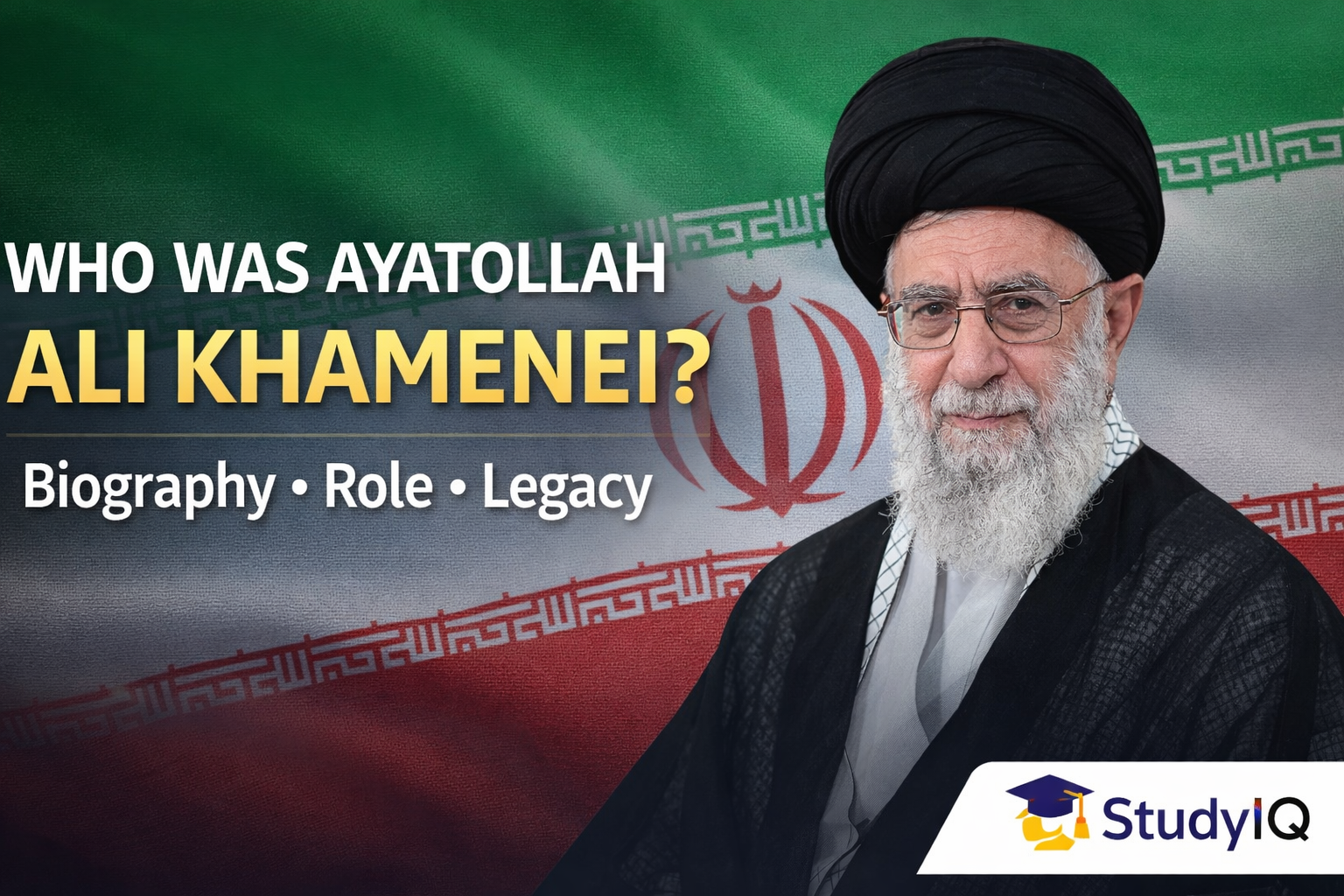
Ayatollah Seyyed Ali Khamenei (1939–2026) was the Supreme Leader of Iran from 1989 to 2026, making him one of the longest-serving political leaders in the modern Middle East. Ayatollah Ali Khamenei was the highest religious and political authority in the Islamic Republic of Iran, exercising ultimate control over the military, judiciary, foreign policy, and key state institutions.
Khamenei shaped Iran’s political ideology, regional strategy, and nuclear policy for more than three decades and played a central role in defining Iran’s relations with the United States, Israel, and the wider Middle East.
Ayatollah Ali Khamenei Biography
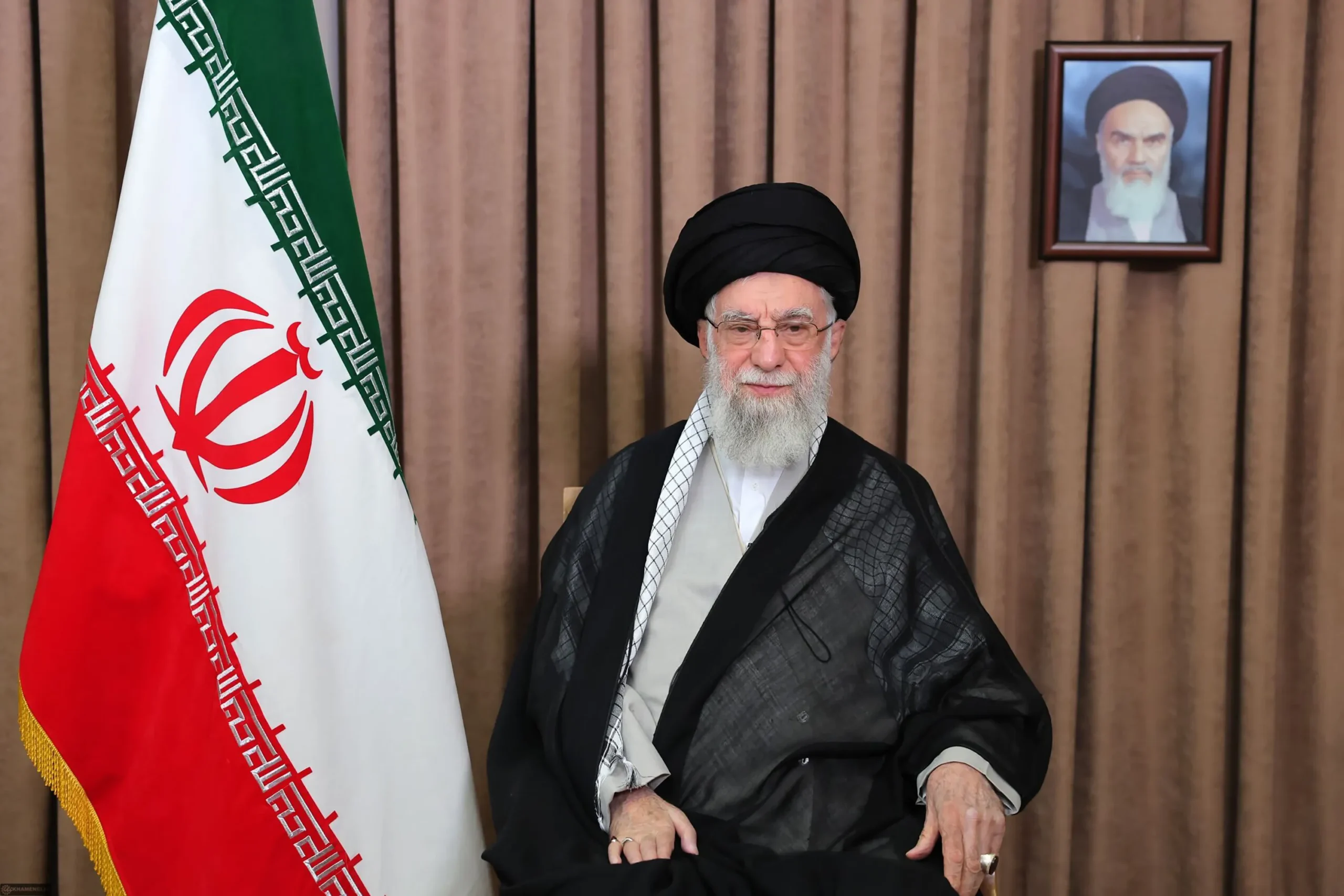
Ayatollah Ali Khamenei (1939–2026) was an Iranian Shia cleric and politician who served as the Supreme Leader of Iran from 1989 until he died in 2026. Born in Mashhad, he studied Islamic theology and became active in the movement against Shah Mohammad Reza Pahlavi. After the 1979 Iranian Revolution, he held key posts and served as President of Iran from 1981 to 1989. He succeeded Ayatollah Ruhollah Khomeini as Supreme Leader, becoming Iran’s highest political and religious authority. Khamenei shaped Iran’s domestic policies and foreign relations for more than three decades and played a central role in making Iran a major regional power.
Key Facts About Ayatollah Ali Khamenei
| Category | Details |
|---|---|
| Full Name | Seyyed Ali Hosseini Khamenei |
| Born | 1939 |
| Died | 2026 |
| Position | Supreme Leader of Iran |
| Years in Power | 1989–2026 |
| Religion | Shia Islam |
| Predecessor | Ruhollah Khomeini |
Early Life and Background
Ayatollah Ali Khamenei was born on July 16, 1939, in Mashhad, Iran, into a religious clerical family. He received a traditional Islamic education and later became involved in political activism against the Shah of Iran.
Key Early Facts
-
Born: 1939, Mashhad, Iran
-
Religion: Twelver Shia Islam
-
Profession: Islamic cleric and politician
-
Political mentor: Ayatollah Ruhollah Khomeini
-
Ideology: Islamic revolutionary governance
During the rule of Shah Mohammad Reza Pahlavi, Khamenei was arrested multiple times for anti-government activities.
Rise to Power
After the 1979 Iranian Revolution, Khamenei became a close associate of revolutionary leader Ayatollah Ruhollah Khomeini and rose quickly within the new Islamic Republic.
Major Positions Held
| Year | Position |
|---|---|
| 1979 | Member of the Revolutionary leadership |
| 1981–1989 | President of Iran |
| 1989–2026 | Supreme Leader of Iran |
He served as President of Iran from 1981 to 1989 before becoming Supreme Leader after Khomeini died in 1989.
Supreme Leader of Iran (1989–2026)
As Supreme Leader (Rahbar), Khamenei held ultimate authority over Iran’s political and religious system.
Powers of the Supreme Leader
The Supreme Leader is the de facto head of state, with authority over:
-
Armed forces
-
Foreign policy
-
Judiciary
-
Nuclear program
-
State media
-
Security agencies
These powers allow the Supreme Leader to oversee all branches of government and make final policy decisions.
Political Ideology
Khamenei supported the concept of Velayat-e-Faqih (Guardianship of the Islamic Jurist) — the idea that Islamic clerics should govern the state.
His ideology included:
-
Strong anti-Western stance
-
Opposition to U.S. influence
-
Hostility toward Israel
-
Support for Islamic resistance movements
-
Emphasis on Iran’s independence
He often described the United States as Iran’s main adversary and emphasized national sovereignty.
Foreign Policy and Regional Influence
During his rule, Iran became a major regional power.
Key Policies
-
Expansion of Iran’s influence in the Middle East
-
Support for groups such as Hezbollah and other allied militias
-
Development of missile and nuclear capabilities
-
Strategic partnerships with Russia and China
These policies strengthened Iran’s regional influence but also led to sanctions and diplomatic isolation.
Domestic Policies
Khamenei ruled Iran through a combination of religious authority and political control.
Major Features
-
Strong control over political opposition
-
Restrictions on media and civil liberties
-
Crackdowns on protests
-
Religious governance
His government suppressed major protest movements, reflecting tensions between the ruling establishment and Iranian society.
Death and Global Impact (2026)
Ayatollah Ali Khamenei reportedly died in 2026 during a major U.S.–Israel military strike, creating political uncertainty in Iran and raising concerns about regional stability.
His death marked a historic turning point for Iran and the Middle East.
Legacy of Ayatollah Ali Khamenei
Achievements
-
Consolidated Iran’s Islamic political system
-
Strengthened regional influence
-
Maintained regime stability for decades
Criticism
-
Authoritarian rule
-
Economic challenges
-
International isolation
-
Human rights concerns
|
Read More Notes |
|
| Environment Notes | Art and Culture Notes |
| Science and Tech | History Notes |
| Geography Notes | Indian Polity Notes |
| General Knowledge | International Relation |
|
Explore StudyIQ Courses |
|
 The Cycle of Deprivation and Affluence
 NCERT Textbook Controversy and Supreme C...
 US–Israel Attack on Iran 2026: Khamene...











 WhatsApp





