


UPSC PYQ Biographies
Course Overview
"Prelims is a lottery." Is it?
Every aspirant has heard it. The paper is random. The questions come from nowhere. You can study everything and still get ambushed on exam day.
So you prepare the only way that belief allows: cover everything, give every topic equal time, and hope. Then the paper feels random, because you prepared as if it would be.
Here's what the data says instead.
UPSC has a memory
We mapped 1,674 PYQs across 88 topics and 12 subjects. The paper looks a lot less random once you see the patterns:
1. The RBI has been asked in 27 separate years. UPSC simply cannot let it go.
2. Mahatma Gandhi has 109 PYQs, the most of any single topic.
3, Industrialisation has been on record since 1979, and it's still being asked.
4. Topics often show up in CDS, NDA and CAPF before CSE. Ashoka appeared in CDS 2014, two years before CSE 2016. The other UPSC papers give you a preview.
5. 22 topics are rising right now. Another 22 are evergreen.
The surprises are mostly patterns nobody showed you. PYQ Biographies shows you.
What PYQ Biographies is
It replaces "cover everything and pray" with preparation built on patterns. You'll know what UPSC keeps coming back to, revise it until it sticks, and have a mentor who tells you honestly where you stand.
What you get
1. 88 topic biographies across 12 subjects. History, Art & Culture, Geography, Polity & Governance, Economy, Science & Tech, Environment & Ecology, International Relations, Agriculture, Social Issues & Welfare, Internal Security & Defence, and Current Affairs & Static GK.
2. 1,674 PYQs mapped. Every topic is traced through real UPSC questions, with a focus on 2014–25.
3. When each topic was first asked. It shows the year and exam where a topic first appeared, sometimes going back decades. Industrialisation, for example, goes back to 1979.
4.Trend status for every topic. Each one is tagged as rising, steady, evergreen or cooling, with a year-by-year chart, so you can prioritise using data instead of guesswork.
5. How topics move between exams. It tracks how a topic travels across CSE, CDS, NDA, CAPF and other UPSC papers, often showing up in another paper before it reaches CSE.
6. Linked concepts UPSC tests together. These are the ideas that keep appearing alongside each topic, so you revise them as a cluster instead of one at a time.
7. Practice PYQs with no answers printed, on purpose. You solve first and check later with a DAKSH mentor, so your self-testing stays honest.
Who it's for
1. Repeaters who "studied everything" and still missed the cut-off
2. First-timers who want a method, not a mountain
3. Working aspirants who can't afford to study topics UPSC rarely asks
4. Anyone who's done with guessing what to prioritise
The bottom line
Everyone says Prelims is unpredictable. 1,674 PYQs say otherwise.
SIP 2027 shows you the pattern. DAKSH makes sure you use it.
Meet Our Teachers

Shashank Tyagi
Faculty
Polity & PSIR Specialist
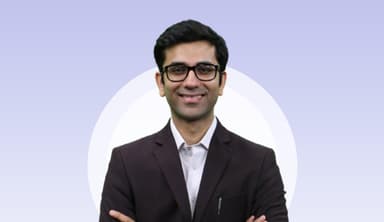
Chandan Sharma
Faculty
Faculty

Bhuvan Apoorva Jha
Faculty
Geography

Ankit Agrawal
Faculty
Economist

Divakar Bothra
Faculty
Faculty
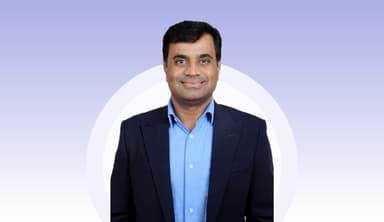
Rashid Yashin Sir
Faculty
History Specialist
Demo Videos
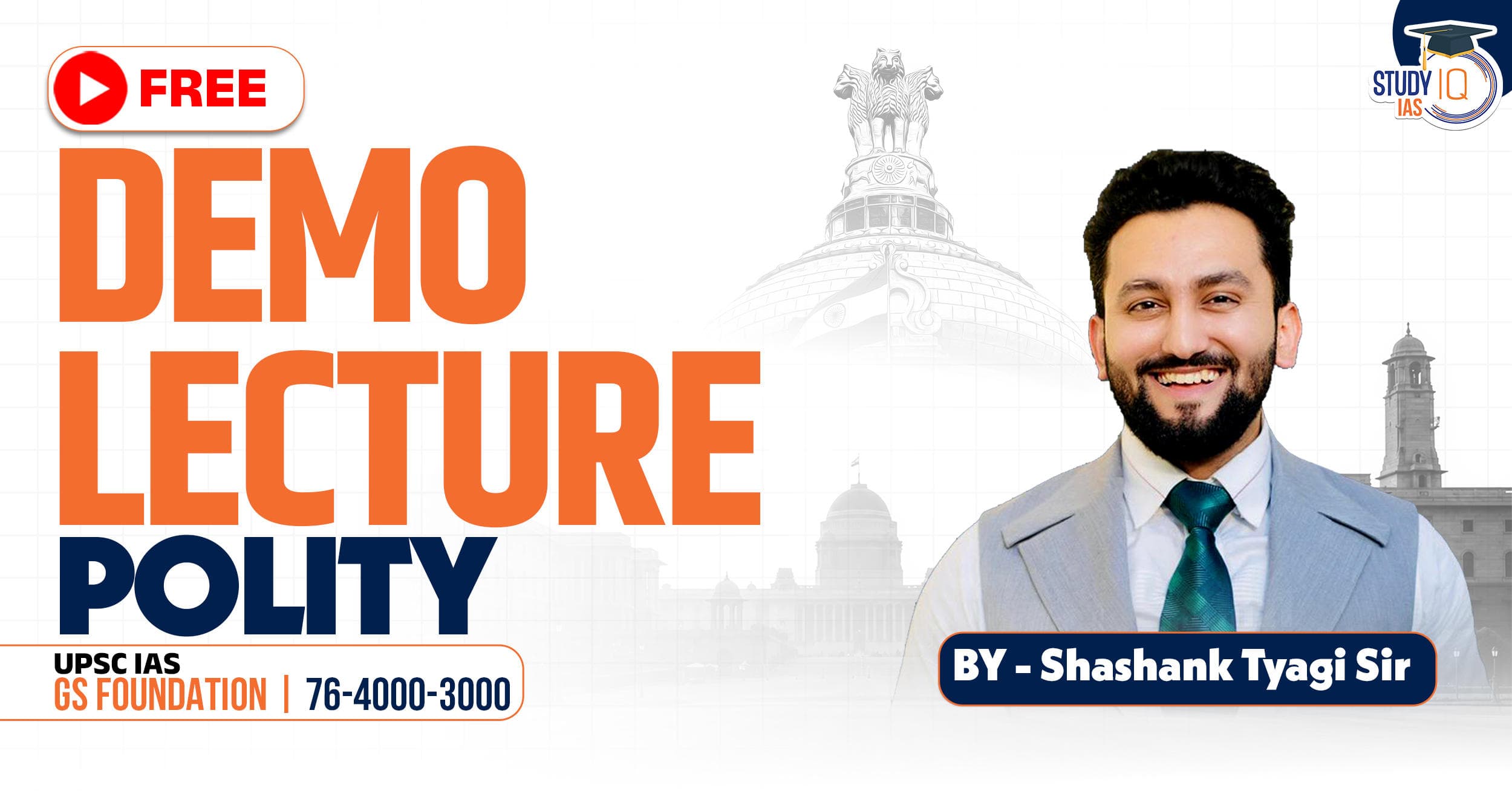
Polity
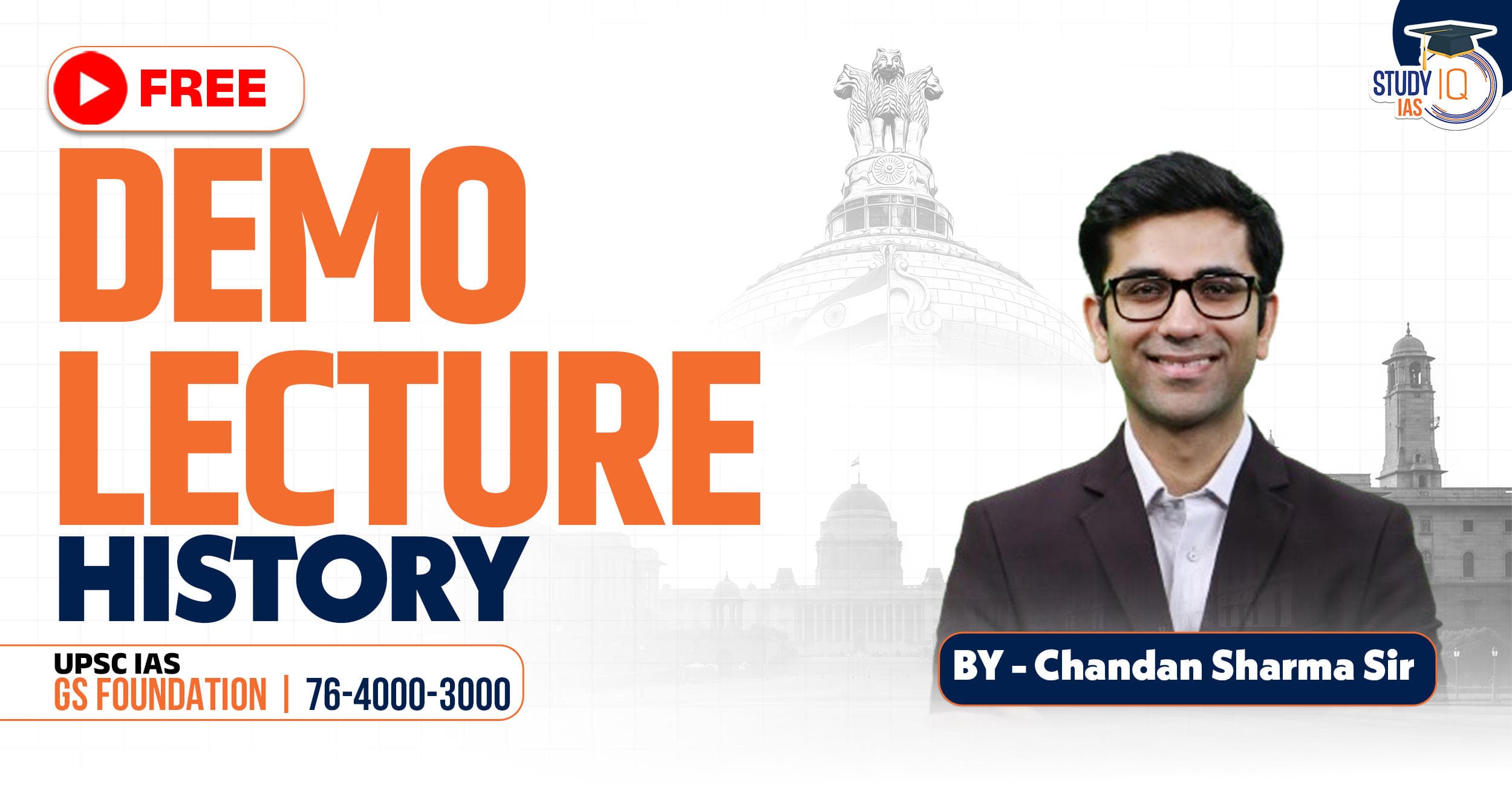
History
Governance
History Basics By Chandan Sharma
Essay
Geography
Modern History
Frequently Asked Questions
Need Help?
Get instant assistance for any payment or access issue.Call 7640003000.